
PLN EPI distributes Eid al-Adha sacrificial meat to Maluku and East Nusa Tenggara's remote, frontier, and outermost regions
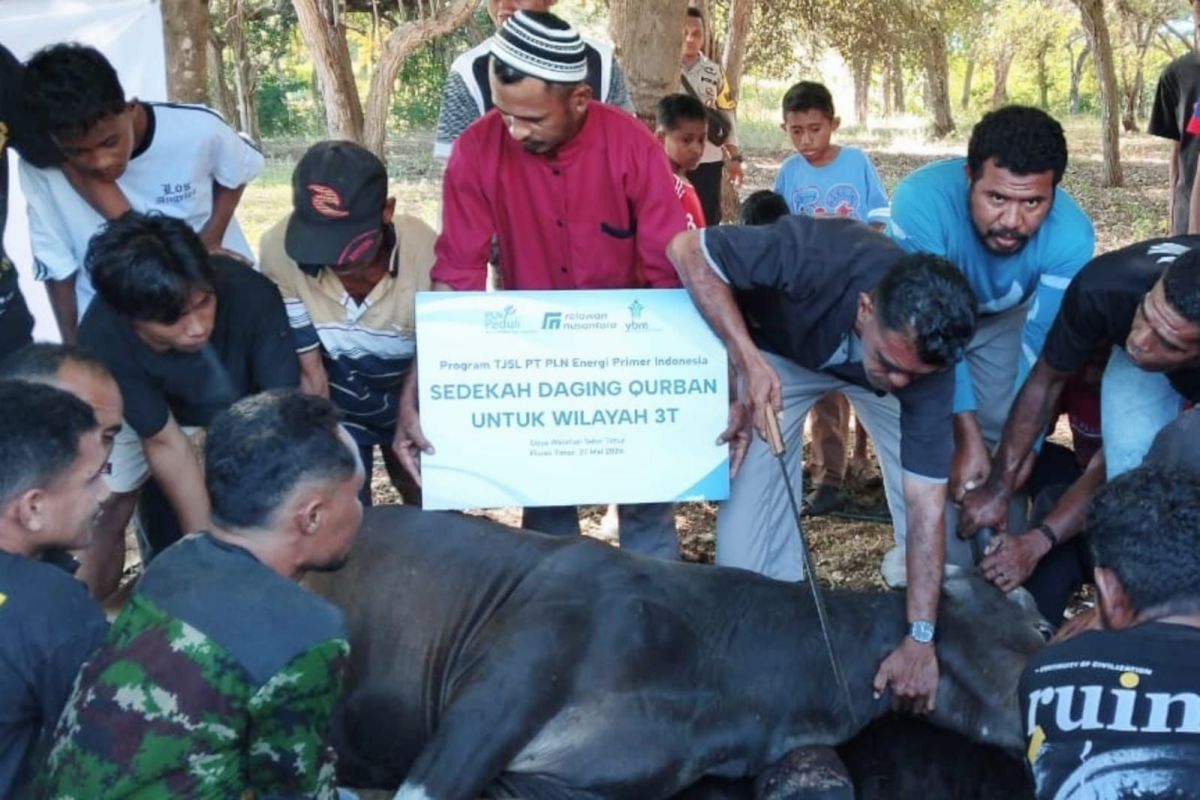
Yayasan Baitul Maal (YBM) of PT PLN Energi Primer Indonesia (PLN EPI) has distributed 1,000 Eid al-Adha sacrificial meat packages to communities in four remote, frontier, and outermost (3T) locations across Maluku and East Nusa Tenggara (NTT) provinces. PLN EPI Company Secretary Mamit Setiawan, in a statement on Saturday in Jakarta, said the initiative is part of the company’s commitment to delivering inclusive and sustainable social impact. The four 3T locations include Talisa Village on Gorom Island, East Seram Regency in Maluku; Solan Dawang Village in inland Maluku; Kolong Hamlet in Siru Village, West Manggarai, NTT; and Watohari Village on Solor Island, East Flores, NTT. “In these areas, the sacrificial meat is more than just a donation bringing happiness to families that rarely consume animal protein,” Mamit explained. Four cows were slaughtered and processed into meat packages distributed directly to 1,000 households. The process was carried out hygienically and involved collaboration with the Baitul Qur’an Al Izzah Foundation, Nusantara Volunteers Foundation, and local authorities to ensure targeted distribution. Mamit added the initiative is part of implementing the company’s environmental, social, and governance (ESG) commitments, particularly the social aspect, in supporting sustainable development. “3T regions face significant access challenges, including meeting basic needs. Through this programme, we aim to ensure remote communities experience tangible benefits from PLN EPI’s presence,” he said. Furthermore, the activity is part of PLN EPI’s commitment to integrating ESG principles and supporting Sustainable Development Goals (SDGs), particularly poverty alleviation, improved welfare, and strengthened partnerships. In Watohari Village, East Flores, one beneficiary, Fajarulina (35), expressed gratitude for the aid. “We rarely get to eat meat like this, and today the children are very happy. Thank you PLN EPI for coming to our village,” she said. Beyond immediate benefits, the activity also boosts the local economy through community involvement in distribution and strengthens social solidarity within communities. Mamit added the initiative is part of PLN EPI’s corporate social and environmental responsibility (TJSL) programme, which continuously aims to improve community quality of life, especially in areas with limited access. “Through our outreach to 3T regions, PLN EPI affirms that sustainability is not just about clean energy but also social justice, where every aid contributes to building a more inclusive, prosperous, and sustainable future for all Indonesians,” he said.