
PLN EPI develops bio-CNG based on palm oil waste
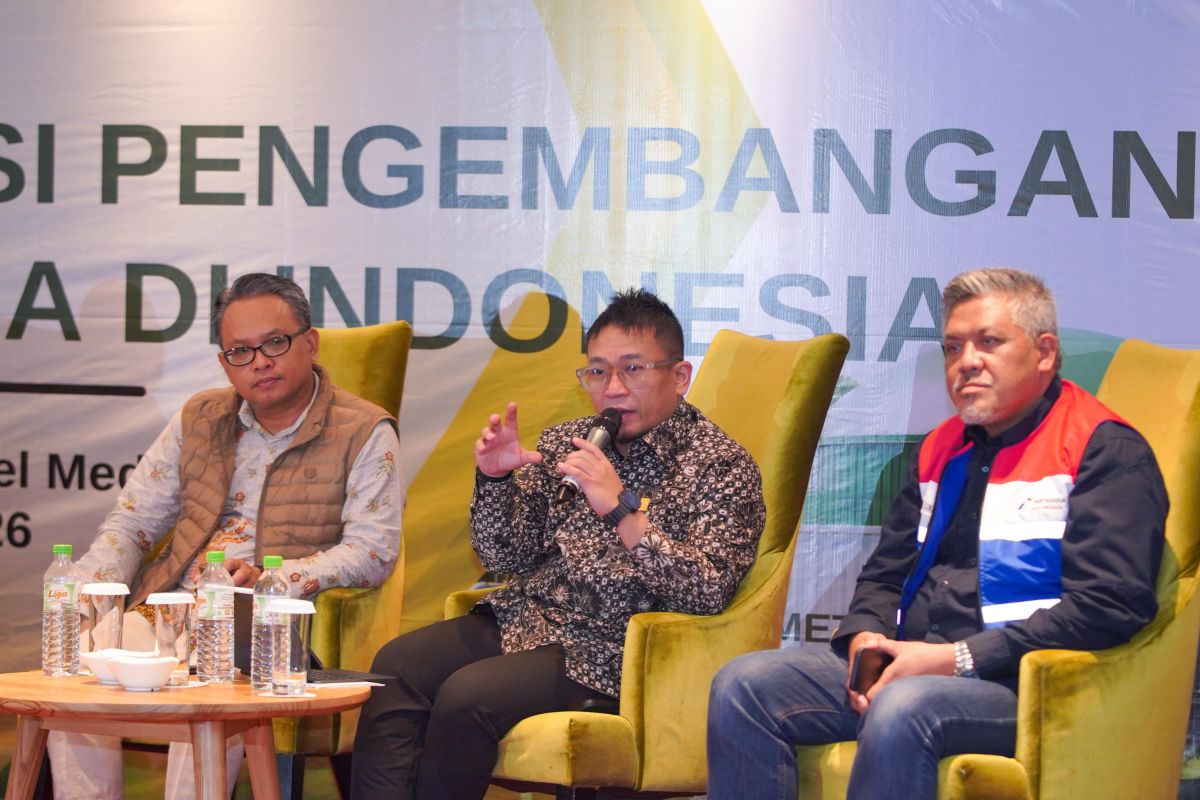
PT PLN Energi Primer Indonesia (PLN EPI) is continuing to drive the utilisation of palm oil waste as a value-added energy source. The company is developing bio-compressed natural gas (bio-CNG) based on palm oil waste as part of its efforts to support green energy diversification and accelerate the national energy transition.
Speaking in Jakarta on Monday, PLN EPI’s Director of Biomass, Hokkop Situng Ascheng, stated that through the development of bio-CNG, the company aims to optimise the use of domestic waste as a low-carbon energy source. This supports energy security while simultaneously reducing greenhouse gas emissions. He noted that the development of bio-CNG is a concrete step by the company to optimise the potential of national biomass waste and support the decarbonisation of the electricity sector.
“PLN EPI continues to encourage the use of palm oil waste as a value-added energy source,” he said during a dissemination event on biomethane development in Medan, North Sumatra, on Thursday.
The forum, organised by the Directorate General of New, Renewable Energy and Energy Conservation of the Ministry of Energy and Mineral Resources (ESDM), brought together government officials, industry players, financial institutions, and raw material owners to strengthen the national biomethane ecosystem.
Hokkop continued by explaining that through cooperation with concession owners and palm oil mills, palm oil mill effluent (POME) can be processed into biomethane, which is then purified into bio-CNG to support the energy needs of power plants. He noted that North Sumatra holds great potential for bio-CNG development as it is one of the nation’s primary palm oil industry hubs. According to data from the Central Bureau of Statistics (BPS), there are 327 palm oil plantation companies operating in North Sumatra, with 237 palm oil mills potentially serving as raw material sources for biomethane.
PLN EPI has already established a partnership with PT KIS Biofuels Indonesia, which has developed technology to process liquid palm oil waste into bio-CNG. The bio-CNG product is planned to support the needs of the Belawan Steam Gas Power Plant (PLTGU) in North Sumatra, which has an installed capacity of 1,184 MW and contributes 30 per cent to the northern Sumatra power system.
“We see a significant opportunity to expand the use of bio-CNG. Therefore, PLN EPI continues to open opportunities for collaboration with palm oil mills (PKS) so that waste potential that has not been optimally utilised can be converted into economically valuable clean energy,” he said.
Hokkop added that biomethane development not only supports the reduction of fossil fuel use but also creates new economic opportunities for palm oil industry players by utilising waste that previously lacked optimal economic value. Beyond reducing dependence on fossil fuels, the use of biomethane provides significant environmental benefits. By capturing and utilising it as an energy source, greenhouse gas emissions can be suppressed while producing a reliable renewable energy source.
He concluded that the development of bio-CNG aligns with PLN EPI’s commitment to supporting national energy transition targets and achieving net zero emissions through increased use of renewable energy based on domestic resources. Through bio-CNG development, PLN EPI is not only converting waste into energy but also building a green economic ecosystem that connects the plantation, industrial, and electricity sectors. “This step serves as proof that the energy transition can go hand in hand with economic value creation, emission reduction, and the improvement of community welfare,” said Hokkop.