
PLN EPI: CBG Strengthens National Energy Transition and Independence
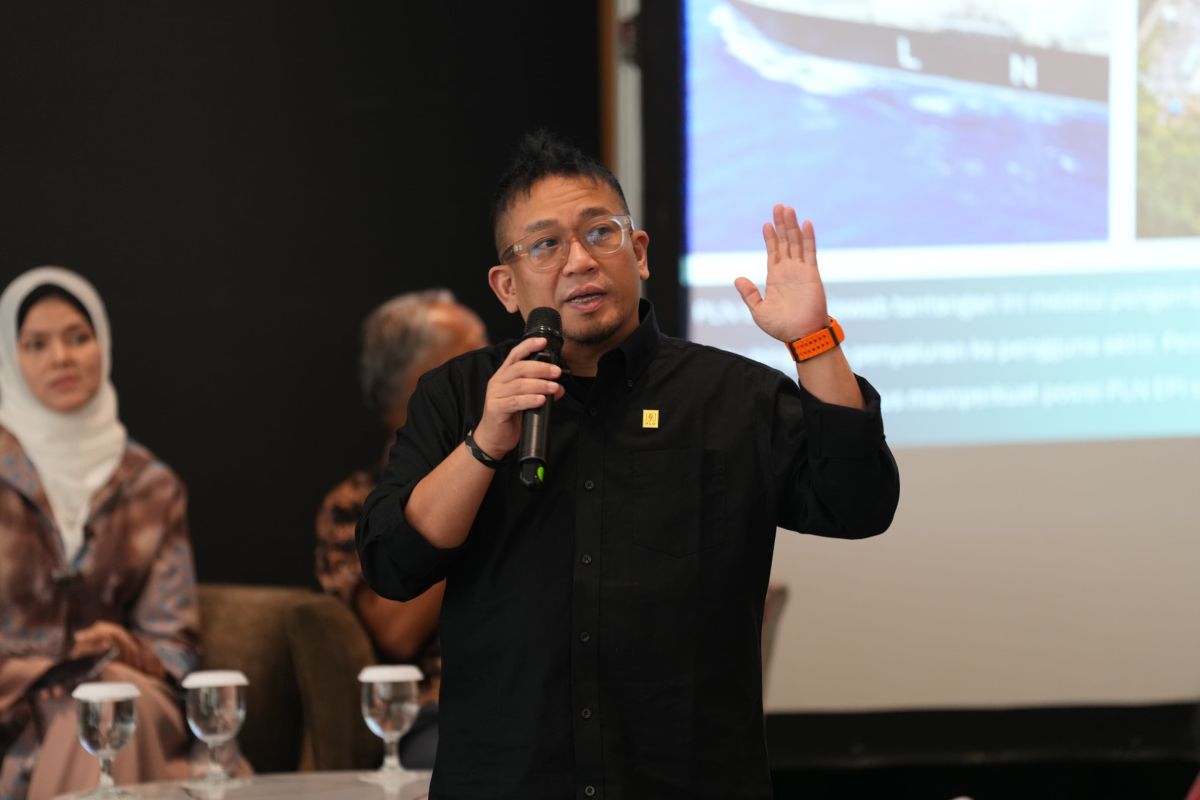
PT PLN Energi Primer Indonesia (PLN EPI) believes the development of compressed biomethane gas (CBG) based on palm oil mill effluent (POME) will strengthen the implementation of the national energy transition and energy independence. PLN EPI Biomass Director Hokkop Situngkir stated in Jakarta on Monday that CBG could be one of the most effective solutions to suppress methane emissions while reducing Indonesia’s dependence on liquefied natural gas (LNG). “Indonesia has enormous potential to convert palm oil waste into a low-carbon energy source with economic value,” Hokkop said at the Climate Policy Initiative (CPI) forum. Utilising POME into CBG can support decarbonisation targets while strengthening national energy security. “If we can harness the palm oil industry for energy and economic purposes, the potential is very large. The source is there, the technology is there, the financing is there. It is just a matter of how we build the right business scheme so it can be implemented immediately,” he added. Indonesia has around 3,000 palm oil mills with liquid waste potential reaching approximately 130 million cubic metres per year. However, to date, most of this potential has not been optimally utilised as a domestic energy source. On the other hand, Hokkop added, POME waste is a significant contributor to methane emissions. PLN EPI estimates emissions from palm oil waste reach around 20 million tonnes of CO2e per year. Hokkop explained that CBG development not only contributes to emission reductions but also supports the national new and renewable energy mix target of 44-48 percent by 2030 and the achievement of net zero emissions by 2060. To accelerate the development of the biomethane industry, PLN EPI is building an integrated CBG ecosystem, from securing raw material supply and developing production facilities to creating a market. In this model, PLN EPI acts as an aggregator and offtaker connecting palm oil mills, technology providers, financing institutions, the industrial sector, and power plants. “Just produce the CBG, and we will buy it and distribute it to power plants. We are ready to become an aggregator so that investment in this sector can proceed more quickly,” Hokkop said. One implementation being prepared by PLN EPI is a CBG cofiring project at the Belawan gas and steam power plant in Medan, North Sumatra. For one 130-megawatt gas turbine with a 2.5 percent cofiring rate, approximately 450 MMBTUD of bio-CBG is needed, derived from the utilisation of around 330,000 cubic metres of POME per year, equivalent to one CBG facility. Meanwhile, to meet the needs of four turbines at the Belawan plant, around four CBG facilities are required with a total investment of approximately 20 million US dollars. “This implementation is estimated to avoid emissions of up to around 500,000 tonnes of CO2e,” he noted. Hokkop also explained that the pilot project at the Belawan plant serves as an initial model for integrating biomethane into the national electricity system. He said that beyond suppressing emissions, the cofiring scheme allows the utilisation of existing gas-fired power plant infrastructure, thereby accelerating the increase in the renewable energy mix without requiring large-scale construction of new plants. In addition to environmental benefits, Hokkop said CBG development also has the potential to create significant economic value. Based on PLN EPI’s simulation, one CBG project can generate economic value of up to Rp1.7 trillion and reduce emissions by around 700,000 tonnes of CO2e. Meanwhile, in the company’s roadmap, CBG production capacity is targeted to increase from 1,000 MMBtu in 2026 to 2,957 BBTU in 2030. “Bioenergy becomes a bridge between energy transition, energy security, and a people’s economy. Waste that has been a source of emissions can be transformed into a value-added energy source while strengthening national energy independence,” Hokkop said. CBG development demonstrates that energy transition solutions do not always come from expensive new technology. By utilising palm oil waste, Hokkop added, Indonesia has a great opportunity to suppress methane emissions, reduce LNG dependence, and build more sustainable energy security based on domestic resources.