
PLN EPI and FLEXIH Inc explore biomass-based low-carbon hydrogen development
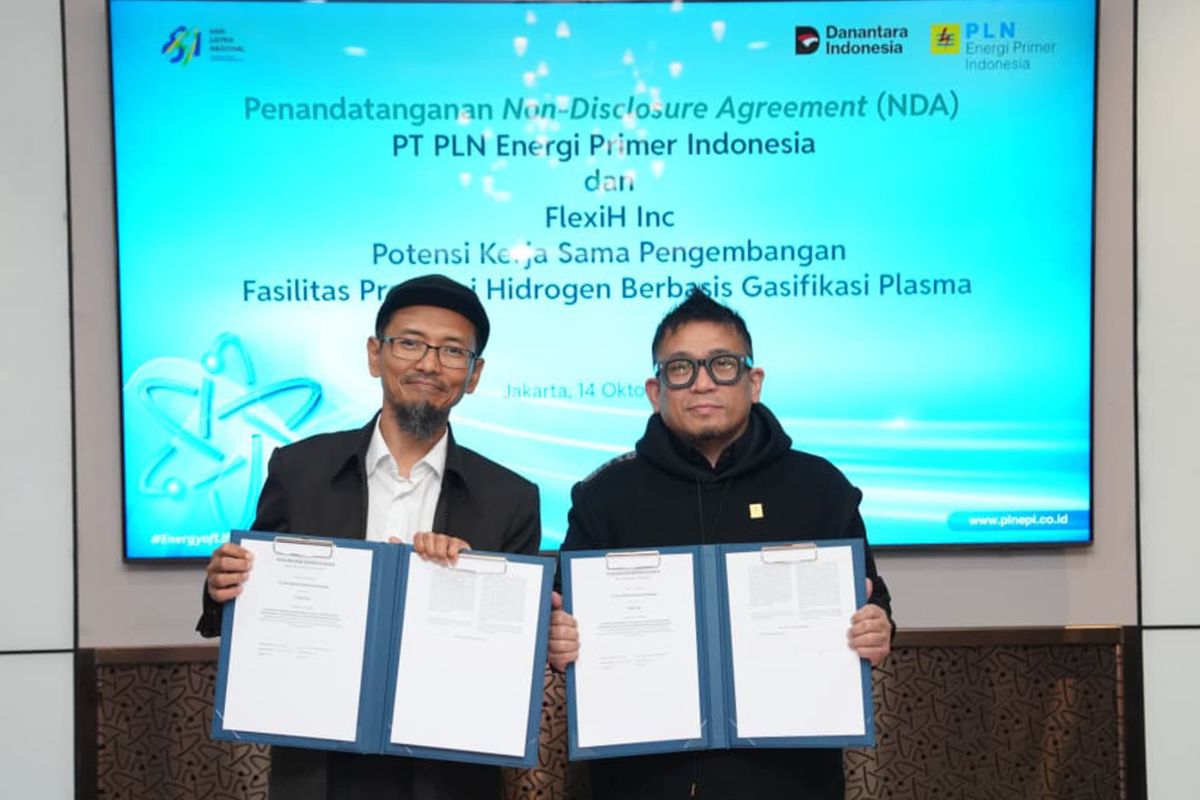
Jakarta (ANTARA) – PT PLN Energi Primer Indonesia (PLN EPI) and FLEXIH Inc have signed a non-disclosure agreement (NDA) to explore cooperation on developing biomass-based low-carbon hydrogen.
PLN EPI Biomass Director Hokkop Situngkir said in a statement in Jakarta on Wednesday that, under the agreement to explore a facility in Indonesia using plasma gasification technology, the two companies would exchange information and assess the potential of biomass as a feedstock, hydrogen offtake opportunities and investment participation options. The information will remain confidential during the evaluation process.
FLEXIH is a US-based clean energy technology company developing modular E-Refinery technology to produce hydrogen, ammonia, and low-carbon fuels and chemicals. One of its technologies is plasma gasification, which could process various feedstocks, including biomass, into higher-value energy products.
Hokkop said the NDA was a strategic step towards building trust and enabling the exchange of information needed to assess the potential cooperation.
“The signing of this NDA is a very important and strategic first step. It provides a legal foundation and demonstrates our shared commitment to protecting the confidentiality and security of sensitive information as PLN Energi Primer Indonesia and FLEXIH begin planning cooperation and exchanging data,” Hokkop said.
FLEXIH CEO and founder Natarianto Indrawan said collaboration was vital to developing future energy technologies by making the most of Indonesia’s domestic resources.
“Future energy development cannot be done in isolation. We need to build collaborations that connect resource potential with industrial needs. Indonesia has abundant biomass that can be developed into higher-value products. With the right technological approach, this potential can contribute to strengthening energy self-sufficiency while supporting decarbonisation,” he said.
According to Natarianto, plasma gasification has characteristics that could make it suitable for using biomass with relatively high moisture content. This will be assessed to determine whether the technology suits the characteristics of Indonesian biomass and whether the project is economically viable.
“Through this cooperation, we hope to jointly examine how the technology can be applied to the biomass available and assess the project’s economics. This approach is important to ensure that technology development does not stop at the conceptual stage, but has a sound basis for further evaluation,” Natarianto added.
Hokkop said PLN EPI was continuing to develop biomass utilisation and explore bioenergy opportunities as part of energy diversification. The technology assessment is also intended to increase the value of domestic resources and support Indonesia’s energy transition.
Through the exploration, PLN EPI aims to promote biomass not only as a fuel, but also as a potential source of higher-value energy products such as low-carbon hydrogen.
“We hope that collaboration on technology and the use of domestic resources will open up new opportunities for energy diversification and support decarbonisation efforts in Indonesia,” Hokkop said.