
PLN EPI accelerates biohydrogen ecosystem to support energy transition
Jakarta (ANTARA) - PT PLN Energi Primer Indonesia (PLN EPI) has committed to accelerating the development of a biohydrogen ecosystem as part of the company’s strategy to support the national energy transition.
PLN EPI Biomass Director Hokkop Situngkir, in a statement issued in Jakarta on Monday, said that with Indonesia’s biomass potential reaching 80 million tonnes per year, PLN EPI sees a major opportunity to develop low-carbon hydrogen capable of supporting decarbonisation whilst strengthening national energy security.
According to him, PLN EPI, as the primary energy subholding of PT PLN (Persero), is tasked not only with ensuring the availability of coal, natural gas and fuel oil for power plants, but also bioenergy.
“PLN EPI is responsible for ensuring that all energy molecules needed by power plants are available. Going forward, we are not only talking about fossil energy, but also biomass, bioenergy, hydrogen and ammonia as part of the national energy transition,” said Hokkop while speaking at the Global Hydrogen Ecosystem Summit & Exhibition (GHES) 2026 in Jakarta.
According to Hokkop, of the total biomass potential of 80 million tonnes per year, some 60 million tonnes remain available to be developed into various low-carbon energy products.
“The opportunity for bioenergy development is still very large. Biomass can be used not only for the co-firing programme at coal-fired power plants (PLTU), but also as feedstock for biohydrogen, biochar, biogas, biomethane and various other value-added bioenergy products,” Hokkop explained.
In addition to solid biomass, Indonesia also has around 3,000 palm oil mills (PKS), which produce palm oil mill effluent (POME) waste as a potential source for developing biogas and biohydrogen.
“This potential can strengthen energy diversification whilst increasing the added value of agricultural and plantation waste,” said Hokkop.
Since 2022, PLN EPI has been building a biomass ecosystem through partnerships with regional governments, farmer groups, cooperatives, village-owned enterprises (BUMDes) and private businesses.
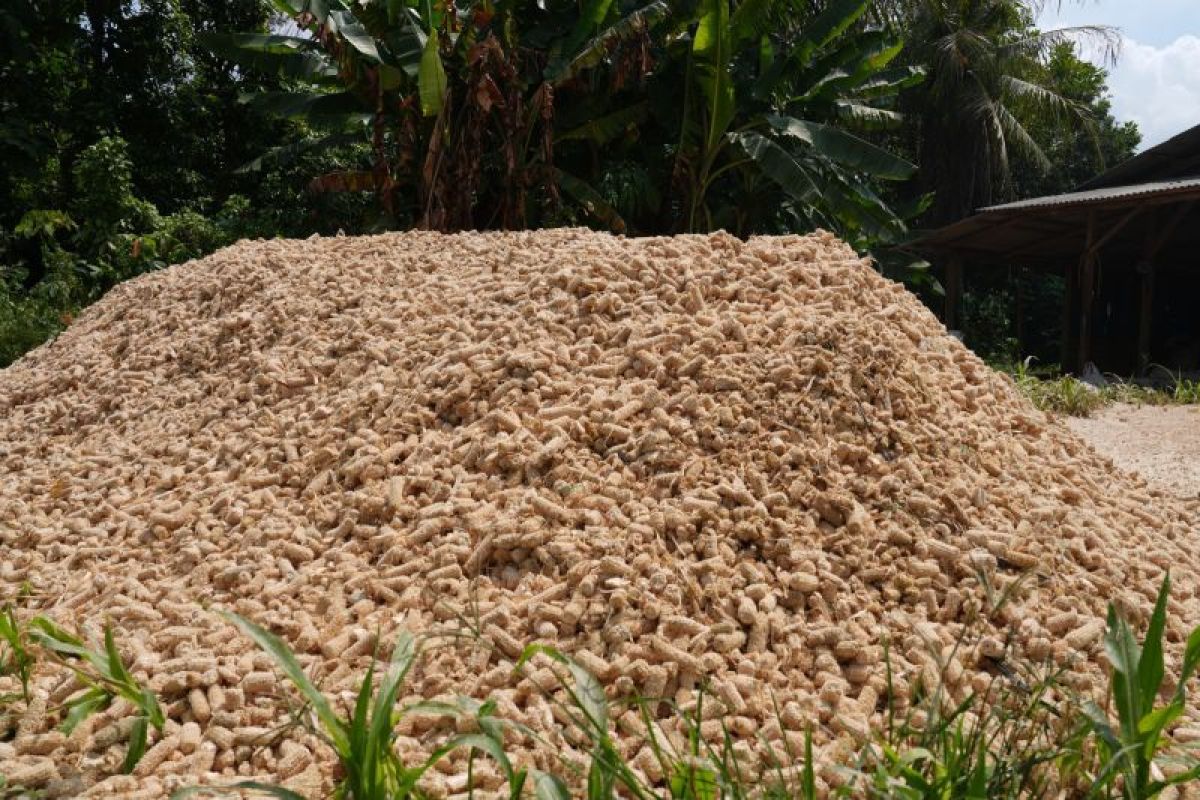
The collected biomass is processed through various production facilities before being used as co-firing fuel at coal-fired power plants (PLTU).
In addition, Hokkop said the company is also developing compressed biogas (CBG) based on palm oil waste, biochar and various waste-to-energy initiatives as part of strengthening the national bioenergy supply chain.
In its bioenergy development roadmap, PLN EPI has positioned hydrogen and ammonia as one of its future business pillars.
Technology development will be carried out in stages during the 2026-2030 period, covering feasibility studies, pilot projects and trials of hydrogen and ammonia use in power plants as a foundation towards commercialisation.
Hokkop stressed that biohydrogen development requires cross-sector collaboration, from government and technology providers to financing institutions, academics and end-user industries.
“We have prepared a roadmap and built partnerships with various technology providers. The next challenge is to build a strong ecosystem through collaboration so that Indonesia’s biomass potential can be optimised as the foundation of a low-carbon hydrogen industry in the future,” he said.
As part of this strategy, Hokkop added, PLN EPI has established cooperation with more than 16 strategic partners in developing the bioenergy supply chain, including the development of biomass, biohydrogen, electro-Sustainable Aviation Fuel (eSAF) and green ammonia.
In the long term, PLN EPI aims to build a hydrogen and ammonia ecosystem that not only supports power plant needs, but also drives decarbonisation of industrial sectors such as cement, steel and petrochemicals, whilst opening opportunities for developing a low-carbon hydrogen market at regional level.