
PLN confirms no rolling blackouts in Bali
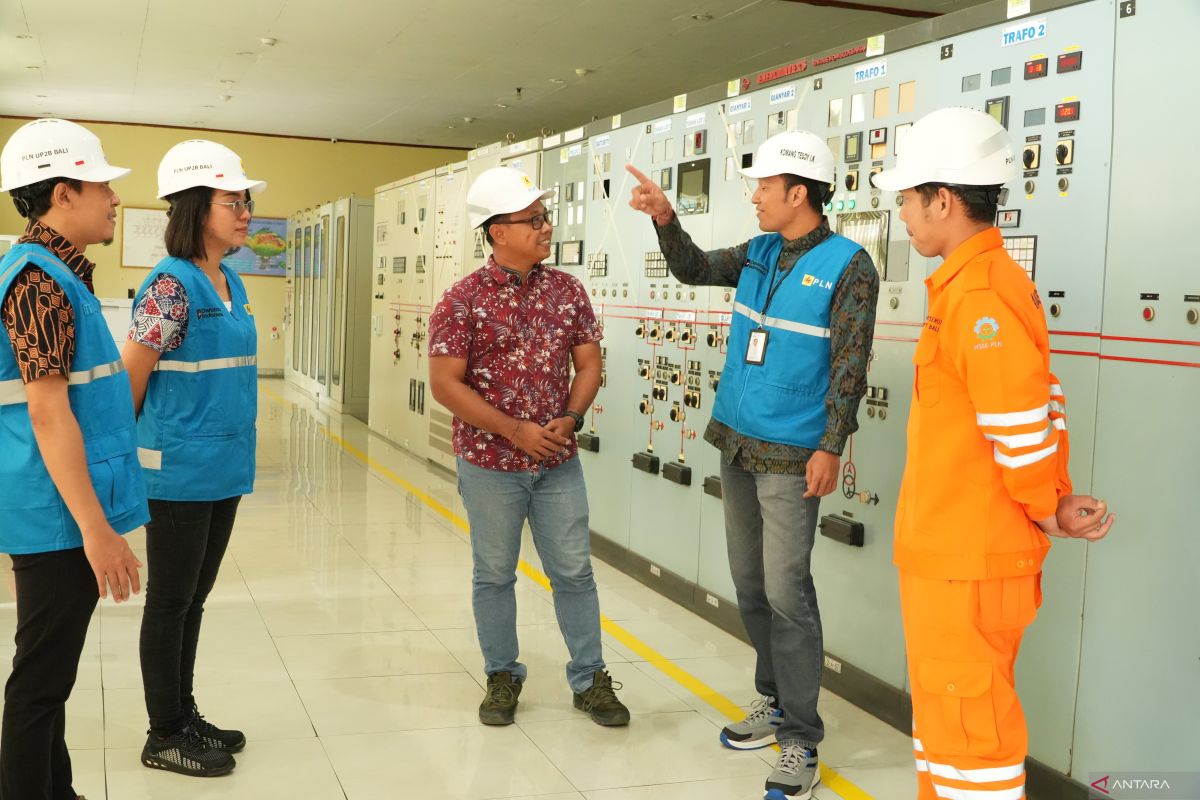
PT PLN (Persero) Unit Induk Distribusi (UID) Bali has confirmed there are no plans for rolling blackouts in the Bali region, contrary to information widely circulated on social media and messaging applications. PLN UID Bali Communications and TJSL Manager I Wayan Eka Susana in Denpasar on Monday stressed that to date there has been no confirmation regarding a planned three-day rolling blackout from 22 to 24 June 2026. The statement was issued following the circulation of information originating from a poster claiming a total planned network maintenance in the Java and Bali regions, the source of which remains unknown. The poster stated that work would proceed non-stop for three days and affect several areas on the islands of Java and Bali. It also claimed that all customers in the affected areas would experience a total blackout for approximately three consecutive days. However, PLN UID Bali emphasised that the information is untrue and was never confirmed by PLN. “In the Bali region, no such rolling blackout has been confirmed,” said Eka Susana. PLN UID Bali urged the public not to readily believe unverified information and to ensure electricity-related information is obtained through official PLN channels. With this clarification, PLN affirmed that the electricity supply in Bali remains secure and there is no rolling blackout agenda as circulated on social media. Meanwhile, PLN Bali Load Control Unit (UP2B) Manager Komang Tedy Indra Kusuma stated that the supply of primary energy in the form of coal and fuel oil to support power plant operations in Bali remains in a secure condition. The availability of these supplies is considered capable of maintaining the reliability of the electricity system while withstanding the impact of rising fuel prices on electricity tariffs. Tedy explained that the stability of the primary energy supply is supported by a number of government regulations, including the Domestic Market Obligation (DMO) policy for coal and fuel oil, which has been the mainstay of plant operations. “To date, the increase in fuel prices has not impacted PLN. We are still protected by various government regulations regarding DMO prices, both for coal and fuel oil,” he said. PLN also hopes that support from the central and regional governments will continue to maintain the stability of primary energy prices. This step is considered important so that increases in electricity production costs can be suppressed and do not burden the public or business operators. According to PLN, Bali’s current electricity system still relies on a number of fossil-fuel power plants spread across several areas, such as Celukan Bawang, Pemaron, Pesanggaran, and Gilimanuk. These plants form the backbone of the electricity supply on the Island of the Gods. Nevertheless, Bali’s electricity demand, which reaches around 1,300 megawatts, still requires additional supply from the Java-Bali system. For the long term, PLN has included a number of plans for new power plant construction to strengthen energy independence in Bali. PLN stressed that the public and business operators need not worry about the electricity supply or the impact of rising fuel prices in the near term. With secure primary energy stocks and government policy support, the reliability of Bali’s electricity system is assured. In addition to maintaining primary energy supply, PLN is also continuously improving system reliability by strengthening the Advanced Defence Scheme to anticipate disturbances that could potentially cause large-scale blackouts. With these measures, PLN is optimistic that the electricity supply in Bali will remain reliable to support community activities, the tourism sector, and business growth, which is currently the largest contributor to electricity consumption on the Island of the Gods.