
Plastic Waste Turned into Paving Blocks, Supporting Waste Reduction Targets
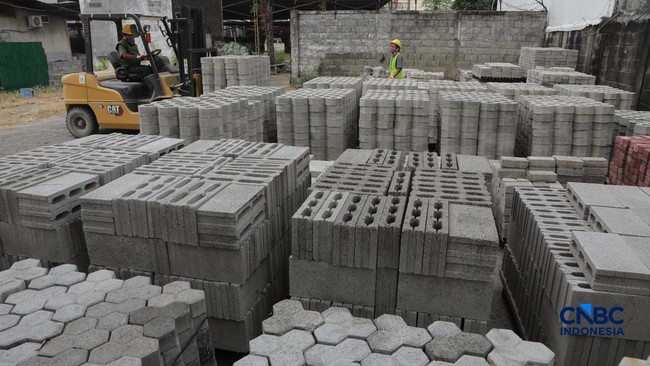
Piles of plastic waste that have been difficult to recycle, known as rejected plastic waste, now hold economic value. Through recycling innovation, the waste is processed into environmentally friendly paving blocks. The plastic waste used comes from partnerships with various waste management partners and deliveries from the public. Waste that previously risked ending up in final disposal sites is now utilised as raw material for construction products with commercial value. Rebrick Project Assistant stated that utilising rejected plastic waste for paving blocks is one solution to help reduce the accumulation of plastic waste that is difficult to recycle using conventional methods. In the production process, every square metre of paving block can absorb around 2.5 kilograms of rejected plastic waste. To produce that area, approximately 44 paving blocks are needed. The greater the volume of paving blocks produced, the larger the volume of plastic waste that can be diverted from landfills. This innovation is expected to become part of efforts to promote a circular economy while reducing environmental pollution caused by plastic waste. In addition to providing environmental benefits, the recycled paving block products also have commercial value. Rebrick markets the product at a price range of Rp150,000 to Rp200,000 per square metre.