
Plastic Raw Materials Become More Expensive, Ministry of Trade Asks Businesses Not to Raise MinyaKita Prices
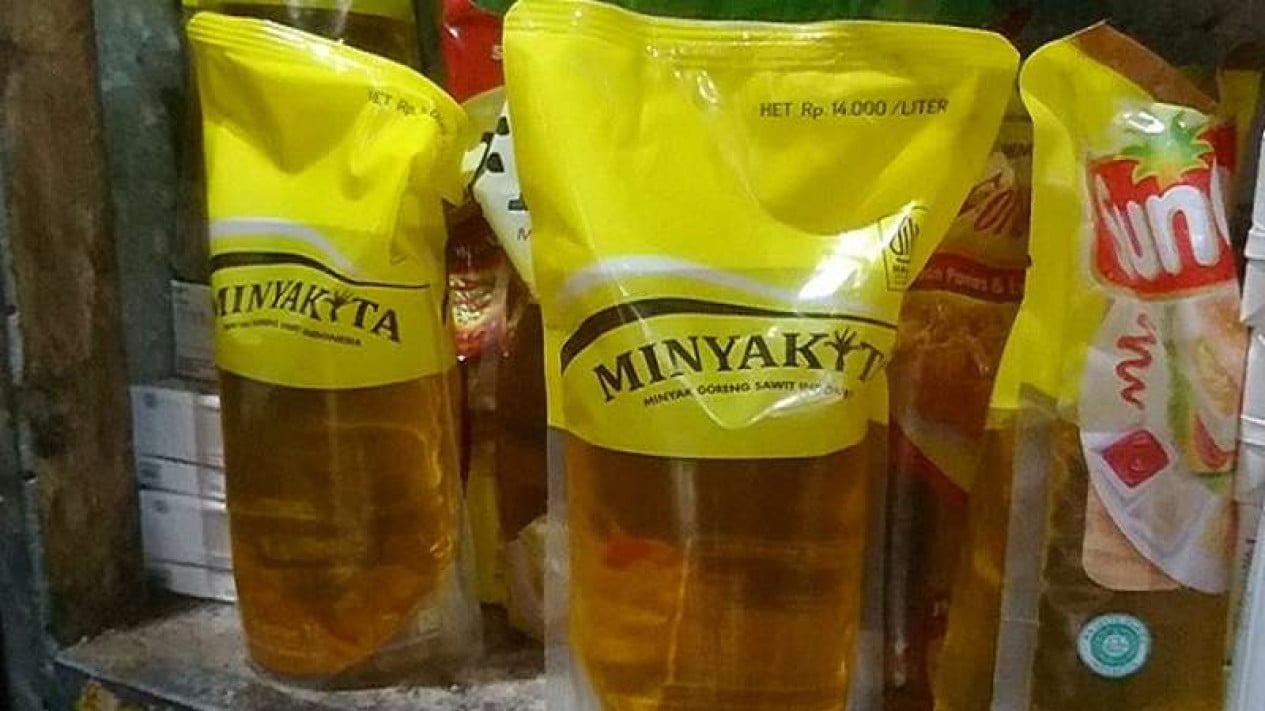
The Ministry of Trade is seeking support and commitment from businesses to refrain from raising prices of commodities amid current issues with increasing plastic raw material costs, particularly affecting MinyaKita. Director of Domestic Business Development at the Directorate General of Domestic Trade, Ministry of Trade, Nawandaru Dwi Putra, stated that in the 10 days following the major religious holiday of Lebaran, several commodities experienced price increases, including cooking oil. According to Nawandaru, the rise in plastic resin raw material prices impacts various packaged commodities, especially those using plastic packaging, including premium, bulk, and MinyaKita cooking oil. “For MinyaKita, we still hope for support and commitment from businesses to keep the price in line with the HET (highest retail price), with no changes or adjustments at all,” Nawandaru said during the Regional Inflation Control Coordination Meeting monitored online in Jakarta on Monday, as quoted from his statement on Monday, 6 April 2026. Based on data from the Market and Basic Needs Monitoring System (SP2KP) as of 2 April 2026, the price of premium cooking oil was recorded at Rp21,433 per litre, up 0.05 percent, bulk cooking oil at Rp19,081 per litre, up 0.22 percent, and MinyaKita at Rp15,877 per litre, down 0.25 percent compared to the previous week. Nawandaru mentioned that several regional offices have reported price increases in premium cooking oil. However, 19 provinces are selling MinyaKita in accordance with the HET, including almost all areas in Sumatra, Kalimantan, Java, parts of Sulawesi, Bali, and West Nusa Tenggara (NTB). The Ministry of Trade continues to work to lower prices in eastern Indonesia, such as Papua and Maluku. This increase is still caused by distribution factors, which affect retail prices. Nawandaru also stated that the presence of MinyaKita is expected to intervene in market cooking oil prices, so that the public can still access affordable cooking oil. “We hope that the existence of MinyaKita can maintain prices, meaning that public preferences can still be maintained with the availability of MinyaKita in markets. This is our concern,” he said.