
Plastic Prices Surge: Expert Says It's Not Just Due to Middle East Conflict
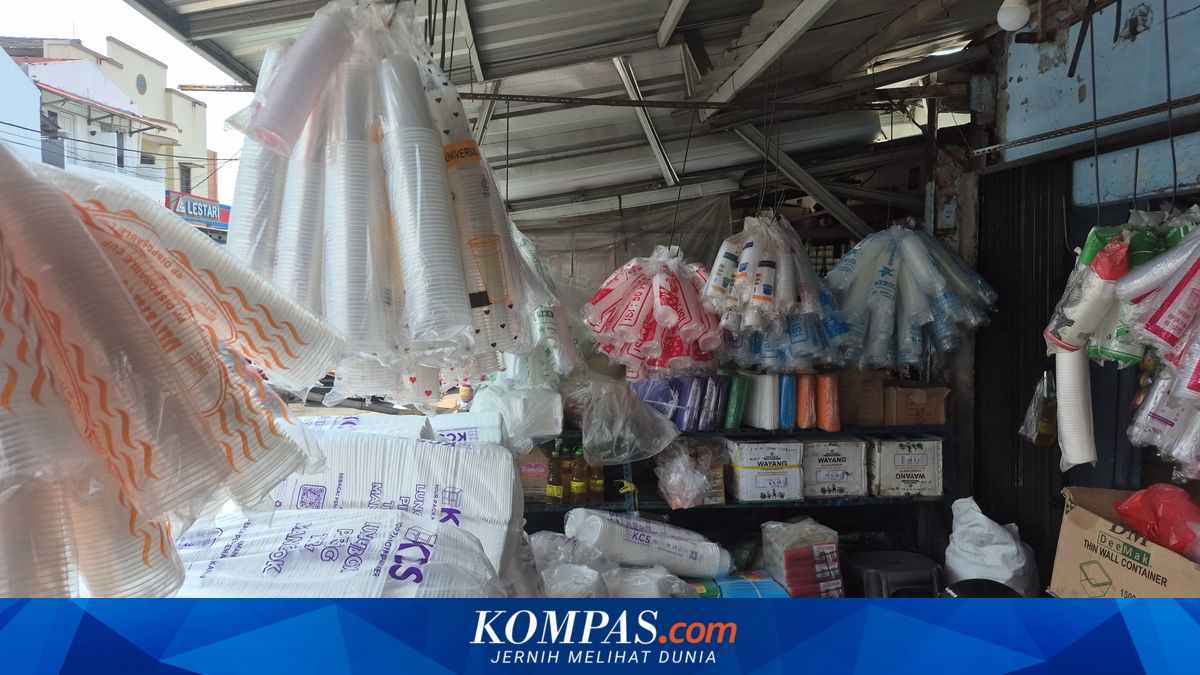
JAKARTA, KOMPAS.com — The recent surge in plastic prices in traditional markets is not solely triggered by global conflicts that could lead to the closure of the Strait of Hormuz.
Economic experts assess that this increase stems from structural issues, namely Indonesia’s high dependence on imported plastic raw materials, which makes domestic prices extremely vulnerable to global volatility.
“The current plastic price surge cannot be reduced merely to the impact of war or the closure of the Strait of Hormuz. That is indeed the main trigger, but the root of the problem is much deeper,” said Economic Expert M Rizal Taufikurahman when contacted by Kompas.com on Monday (6/4/2026).
Rizal stated that around 50 to 60 percent of Indonesia’s plastic raw materials still rely on imports. Meanwhile, most of these raw materials come from countries now affected by conflicts.
On the other hand, domestic capacity has not yet been able to fully meet industrial needs.
At the global level, naphtha prices, the main raw material for plastic, have surged by around 40 to 45 percent in the last month.
This increase in naphtha prices has driven up packaging plastic prices in the market by about 30 to 50 percent, particularly in the food and beverage sector.
“This shows that external shocks are directly translated into domestic pressures because our industrial structure is not yet resilient,” said Rizal.
The relationship between oil prices and plastic is very strong in the short term. When oil prices rise due to supply limitations from the closure of the Strait of Hormuz, downstream products like polyethylene and polypropylene also increase.
At the global level, the rise in these two materials has been recorded at 35 to 38 percent in the latest period.
“This causes a double shock where global prices rise and the exchange rate weakens simultaneously,” said Rizal.
The economic expert warned that the plastic price increase is not temporary and should not be taken lightly.
Global supply chain disruptions due to conflicts not only affect distribution but also production, including disruptions to oil refineries in the conflict-ridden Middle East region.