
Plastic Prices Rise Due to Global Petrochemical Supply Disruptions, SMEs Under Pressure
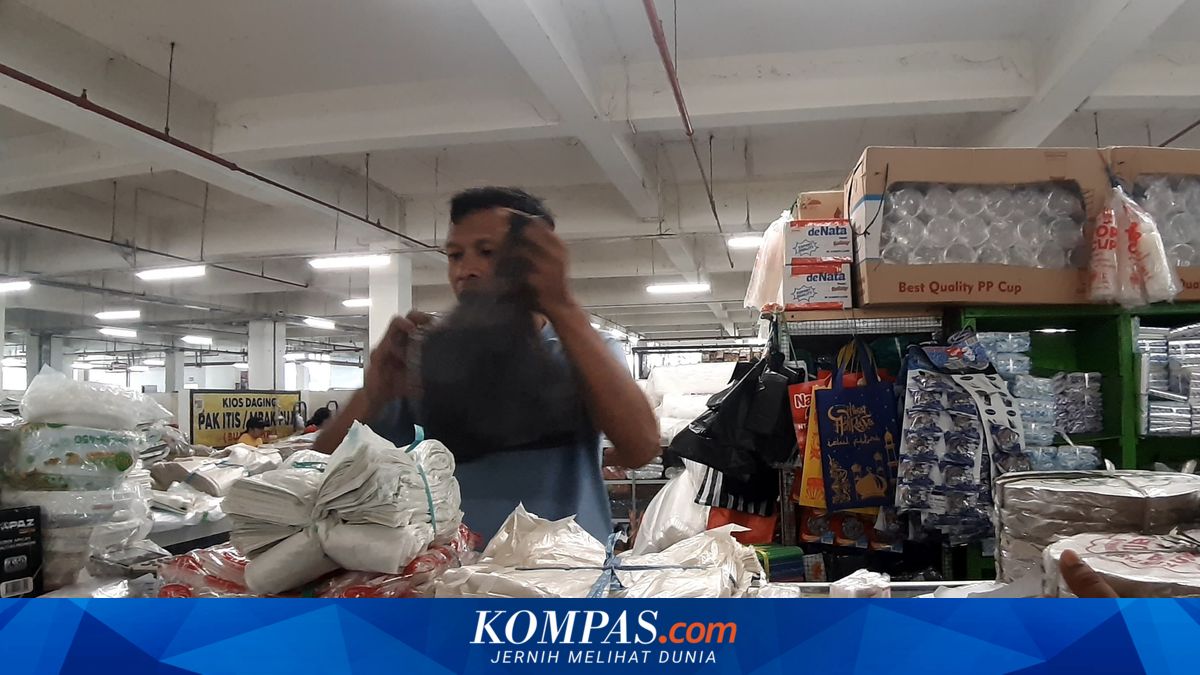
JAKARTA - Rising plastic prices in 2026 have come under the spotlight amid global supply disruptions, prompting questions about why plastic prices are increasing and how this affects small business operators and the wider public. The ongoing global plastic price phenomenon is inextricably linked to causes of the price rise, namely the stalled distribution of raw materials along key worldwide routes. What is plastic made from? The majority derives from petrochemicals, a petroleum derivative, whose supply is now disrupted due to tensions in the Middle East. Executive Director of the Center of Economic and Law Studies (CELIOS), Bhima Yudhistira, stated that although there are signs of de-escalation in the conflict, the impact on supply will not recover quickly. “Even with de-escalation of the war in the Middle East, disruptions to plastic raw materials could persist for the next 3-6 months,” explained Bhima Yudhistira, quoted from Kompas.com on Thursday (2/4/2026). Bhima warned that pressure on SMEs is intensifying because consumer purchasing power, especially among lower and middle-income groups, remains weak. “SMEs will be under even greater pressure, especially given the current weakening of public purchasing power. Moreover, in the lower and middle-income groups that form the market segment for SMEs,” clarified Bhima. In addition, work-from-home (WFH) policies are seen as potentially increasing consumption of plastic bags, ultimately enlarging cost burdens for small business operators. “There are 193 active petrochemical complexes in the Middle East, handling 22% of global supply, and all rely on the Strait of Hormuz for shipping their products,” explained CNBC on Saturday (28/3/2026). When shipping traffic in that route is disrupted, raw material supplies stall, driving prices upwards. The impact is felt by plastic producers in various countries. “Our plastic suppliers in China have raised prices by about 15% recently, and they cite rising raw material costs and general market uncertainty as reasons,” said Stanislav Krykun, CEO of DST-Pack, a Poland-based packaging company. He suggested reducing the Value Added Tax (VAT) on plastics from 11% to 8% to curb price increases at the consumer level. Furthermore, the government is urged to extend the final Income Tax (PPh) incentive for SMEs at 0.5%. “Extend the 0.5% final PPh for SMEs,” explained Bhima. With today’s plastic prices still high and global plastic prices not yet stabilised, the plastic price impact is expected to continue burdening business operators. Without intervention, plastic alternatives and fiscal policies will be key to preventing deeper pressure on SMEs.