
Plastic Crisis, TKBI, and the Momentum for Indonesia's Green Economic Leap
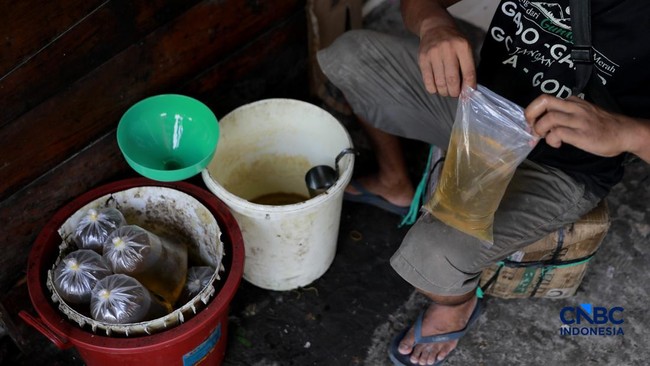
When plastic prices doubled within weeks, many business actors viewed it merely as cost pressure. However, this surge conveys a far more serious message for the national economy: Indonesia’s industrial structure remains too vulnerable to global geopolitical shocks and dependence on imported fossil-based raw materials.
The crisis, originating from disruptions in the global energy supply chain, now directly affects factory production lines, distribution warehouses, and SME kitchens, revealing the fragility of cost foundations in the real sector. At this point, the rise in plastic prices should not be read merely as a short-term shock, but as a strategic momentum to accelerate the leap towards a green economy.
As the costs of conventional oil-based materials become increasingly expensive and unstable, it opens up significant space for Indonesia to build an alternative packaging industry, strengthen the circular economy, and direct sustainable financing through the Indonesian Sustainable Finance Taxonomy (TKBI) framework. This crisis can serve as a turning point: from dependence to green industrial independence.
Cost Shocks and Industrial Structural Fragility
The surge in plastic prices, which in early 2026 reached 40 to 100 percent for certain types, directly reflects the deteriorating global geopolitical dynamics. Plastic, as a petroleum derivative, is highly sensitive to movements in crude oil and naphtha prices.
When global energy supply routes are disrupted, particularly due to tensions in the Middle East and potential distribution interruptions through the Strait of Hormuz, prices of resins and polymers quickly rise.
For Indonesia, this pressure is far heavier because the domestic industry still has high dependence on imports of petrochemical raw materials. As a result, every global oil price fluctuation rapidly spreads to the manufacturing sector, food and beverage industry, logistics, and SMEs that heavily rely on single-use plastic packaging.
This condition shows that the problem faced is not just a momentary cost increase, but structural vulnerability in the national industrial foundation. When plastic prices rise, business margins shrink, selling prices potentially increase, and consumer purchasing power is pressured. In the macro context, this pressure could add to inflationary drivers from the production cost side and narrow the space for business expansion.
Green Economy Momentum and TKBI
However, behind this pressure lies a very significant opportunity for economic transformation. Hitherto, the transition to environmentally friendly packaging has often been hindered by one classic argument: plastic is cheaper and more practical.
Now, with plastic prices surging sharply, that economic justification is beginning to collapse. Alternative materials such as bamboo, natural fibres, leaves, banana fronds, seaweed, and cassava starch are becoming increasingly cost-competitive.
This is where the Indonesian Sustainable Finance Taxonomy (TKBI) becomes highly relevant. TKBI firmly positions resource resilience and the transition to a circular economy as one of the main objectives of sustainable financing. This means that economic activities supporting waste reduction, material reuse, recycling, and substitution of fossil-based raw materials have a strong foundation to obtain green financing from the financial services sector.
In this context, for the national industry, there is actually much wider financing space to accelerate the growth of the green economic ecosystem. Funding support can be directed towards developing competitive biodegradable packaging industries amid rising prices of conventional plastics, strengthening more efficient and value-added recycling technologies, and expanding waste banks and integrated waste management systems from upstream to downstream.
At the same time, this momentum also opens up significant opportunities for innovation in biomass-based bioplastics, such as seaweed, cassava starch, and agricultural waste, as well as strengthening manufacturing of packaging based on local resources to elevate it to become part of a more sustainable, resilient, and long-term competitive national industrial supply chain.
More than just an environmental issue, this is an opportunity to form a new engine of economic growth that can strengthen the national industry while supporting the sustainable financing agenda.
Circular Economy as an Industrial Strategy
Theoretically, this phenomenon reinforces the relevance of circular economy theory. The old linear economy model based on the take-produce-dispose pattern has proven increasingly inefficient and vulnerable to global shocks. Conversely, the circular economy keeps materials in the production chain as long as possible through reuse, recycling, and resource recovery.
In the context of the plastic industry, this approach not only solves waste problems but also strengthens long-term cost efficiency, reduces dependence on imported virgin raw materials, and creates new value added for the domestic industry.
On the other hand, the Porter Hypothesis also provides a strong foundation that environmental regulatory pressures and rising resource costs can actually trigger innovation and improve industrial competitiveness. In other words, the current plastic price pressure can become a catalyst for innovation in domestic raw materials and more sustainable industrial business models.
Lessons from Other Countries
International experience shows that this transformation is not utopian. The Netherlands has positioned the circular economy as a national industrial strategy with a target of a full circular economy by 2050.
Japan has successfully built a waste management industry
Source: jawawa.id (https://jawawa.id/newsitem/plastic-crisis-tkbi-and-the-momentum-for-indonesias-green-economic-leap-1777824548)
Originally published by CNBC Indonesia (https://www.cnbcindonesia.com/opini/20260503173049-14-731806/krisis-plastik-tkbi-dan-momentum-lompatan-ekonomi-hijau-indonesia), translated from Indonesian