
Plant Language Can Now Be Translated, with a Tool on Sale to Farmers
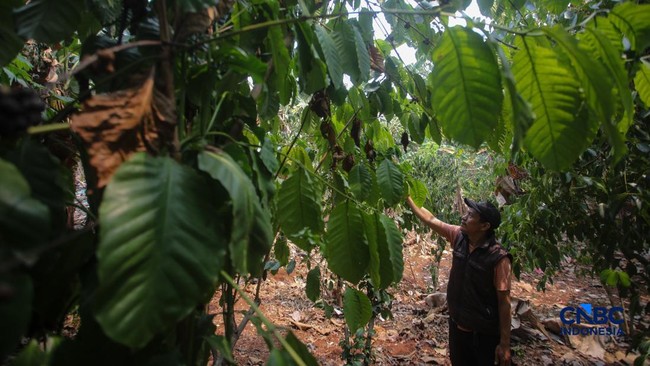
Jakarta, CNBC Indonesia — Plants have their own way of “speaking”. When they need water, light or nutrients, they send electrical signals through their bodies. A start-up has now created artificial intelligence capable of interpreting those signals, allowing farmers to understand what their plants need.
The idea began with a simple discovery: when a plant needs more light, its living tissue produces a faint electrical current. Those signals were once not understood, but a company called Electric Plant has developed a recording device and an AI model named Bombadil that can translate them into human language.
A small sensor is inserted through the outer layer of a tree or plant stem. It detects tiny changes in electrical voltage and sends the data to a cloud-based system for analysis. Farmers then receive clear messages, for example that a plant is thirsty, lacks fertiliser or is getting enough light.
Methods used to date, such as measuring soil moisture or monitoring crops from above, can only estimate what plants need. This new device listens directly to the plants themselves. As a result, water and fertiliser can be applied at the right time and in the right quantities. Water use could be reduced by up to 20% or more, while yields increase.
The sensors are also much cheaper than existing measuring equipment. They cost tens of dollars rather than thousands, and just a few sensors per hectare are enough to monitor the overall condition of a field.
Bombadil has been trained on data from more than 125 plant species, from ferns, redwoods, tomatoes and dahlias to giant trees. Its developers describe it as the broadest model ever created to understand the electrical signals of living organisms.
“We listen first, before trying to speak. And listening is the first step,” said Justin Mast, founder of Electric Plant, as quoted by TechCrunch. The company has recently raised US$11.2 million in seed funding to develop the device and bring it to market.
In the future, the technology is expected to do more than tell farmers when to water or fertilise. If developed further, researchers hope it could enable two-way communication. People would no longer simply care for plants, but truly understand what they are saying.
Source: jawawa.id (https://jawawa.id/newsitem/plant-language-can-now-be-translated-with-a-tool-on-sale-to-farmers-1792669826)
Originally published by CNBC Indonesia (https://www.cnbcindonesia.com/tech/20261022160247-37-778647/bahasa-tanaman-sudah-bisa-diterjemahkan-alatnya-dijual-buat-petani), translated from Indonesian