
Planogram and Criticism of KDMP Product Layout
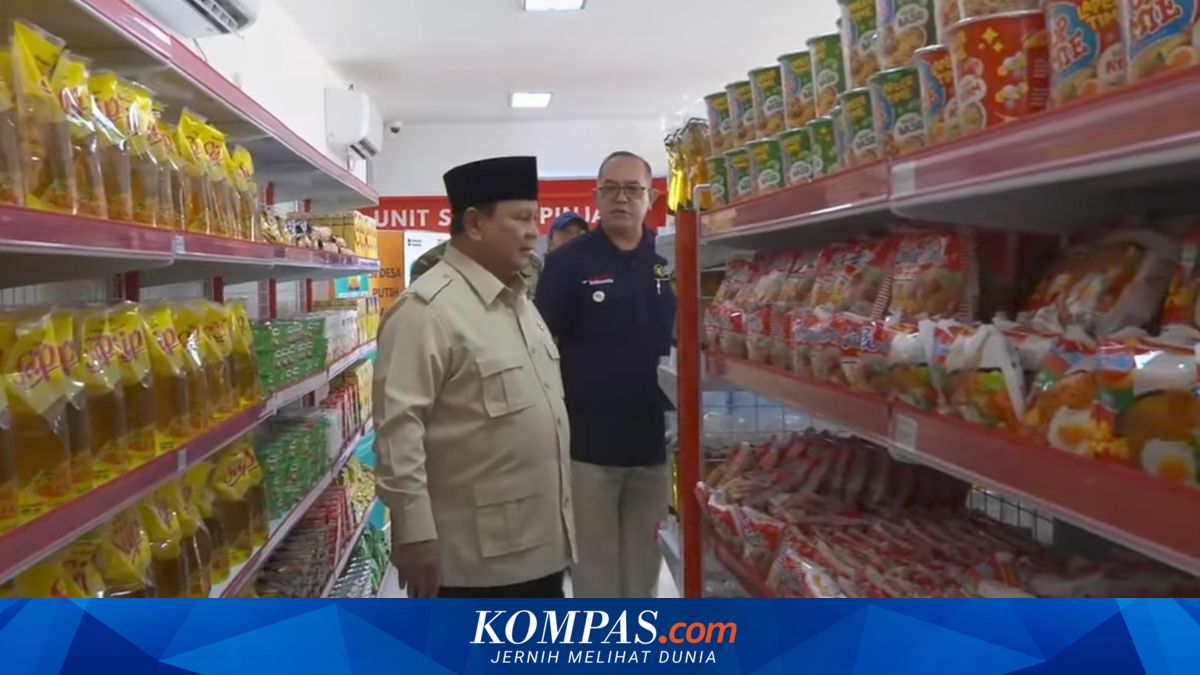
President Prabowo Subianto officially launched 1,061 Red and White Village and Sub-District Cooperatives (KDMP) on Saturday, 16 May 2026.
However, amidst the inauguration ceremony, public attention on social media was instead directed towards the product display arrangements within the cooperatives.
Photographs and videos showing the product layouts at various KDMP locations generated widespread discussion online. Many users viewed the product arrangement as unusual and inconsistent with modern retail shop standards.
Some criticism even came from social media users who claimed to have previously worked in minimarket chains. They argued that product placement on shelves could not be done haphazardly merely to fill empty spaces or arrange items based on colour alone.
Other criticisms included the placement of cooking oil directly beneath air conditioning units, which risked freezing the products. According to these observers, product arrangement in shops is actually closely related to the discipline of merchandising and the use of planograms.
For this reason, many retail companies use planograms as the primary guide for organising shop layout.
In general, a planogram is a product arrangement guide that illustrates how products are positioned within a retail store. Through a planogram, retailers can determine shelf positioning, the quantity of items on display, and the product categories placed in specific areas.
A planogram is also often referred to as a visual diagram showing the arrangement of items on shelves, display cases, and other store fixtures. Its primary purpose is to make products more visible, easily accessible to customers, and appealing to consumers.
In some countries, the term planogram is also known by other names such as POG, plano-gram, plan-o-gram, or schema.