
Planet Limits Satellite Imagery Access in Iran Conflict Zone at US Request
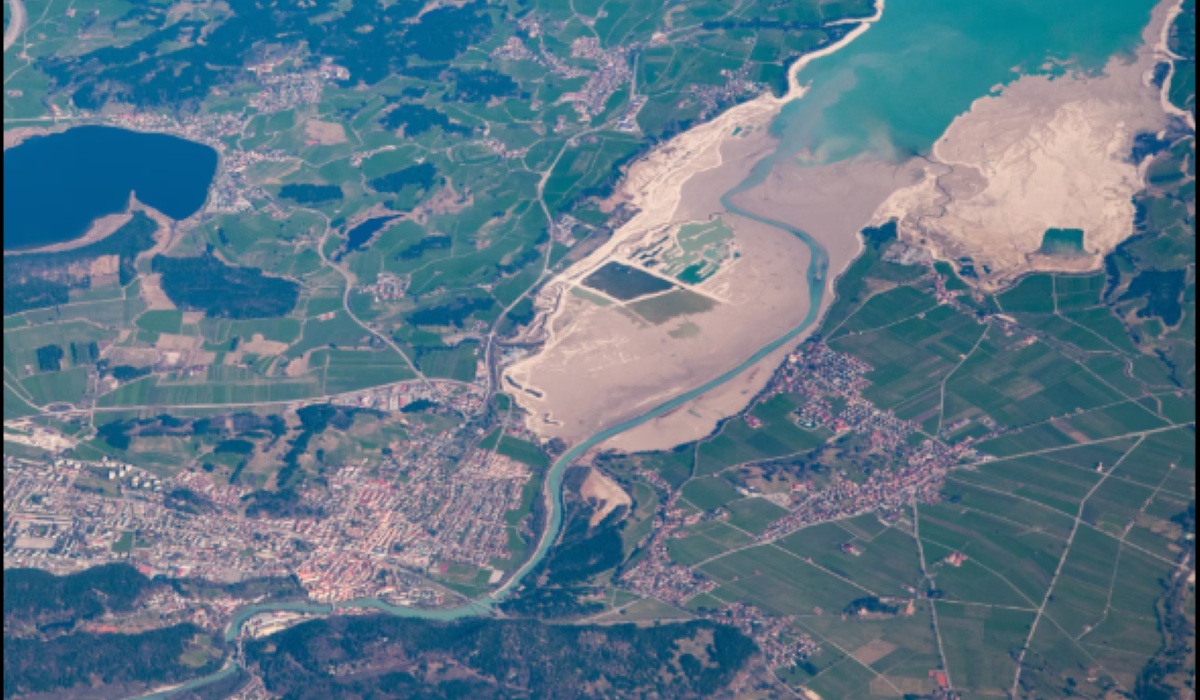
The San Francisco-based satellite company, Planet, has confirmed that it is limiting access to its high-resolution satellite imagery during the period of conflict in Iran. This move follows requests from the Donald Trump administration, which expressed concerns regarding the potential misuse of such visual data.
Planet informed SFGate that this restriction is an effort to balance the company’s mission of transparency with national security interests and the safety of personnel on the ground. “This is an extraordinary and dynamic situation,” a company representative stated in a briefing.
Planet reported that it had previously released almost all imagery that was restricted between 9 March and 1 July. However, as conflict tensions rise again, the company has re-implemented publication delays for imagery covering Iran, Pakistan, Afghanistan, Turkmenistan, Uzbekistan, and Azerbaijan.
In March, Planet had previously implemented a 14-day delay for imagery in the Middle East region. Similar measures were taken by the European Union through the Copernicus Earth observation programme, which applied a one-day delay for imagery of shipping lanes around the Strait of Hormuz.
The ongoing conflict has resulted in the deaths of 18 US service members following Iranian attacks on US military installations in the Middle East. In addition to the restrictions on satellite imagery, US military commanders have also warned troops regarding the risks of smartphone usage. Videos uploaded to social media by military personnel are feared to potentially assist Tehran in identifying attack targets. In response, the military is currently considering policies to ban phone usage in certain operational areas.
While access to commercial satellite imagery continues to be tightened, some parties remain sceptical about the effectiveness of this policy. Critics argue that Iran likely continues to receive intelligence data support from other nations with advanced satellite networks, such as China and Russia. Meanwhile, although the Trump administration maintains that Iran’s military capabilities have weakened due to months of fighting, Tehran has proven capable of sustaining continuous attacks against United States forces.