
Plan to convert 120 million motorcycles: costs must be affordable
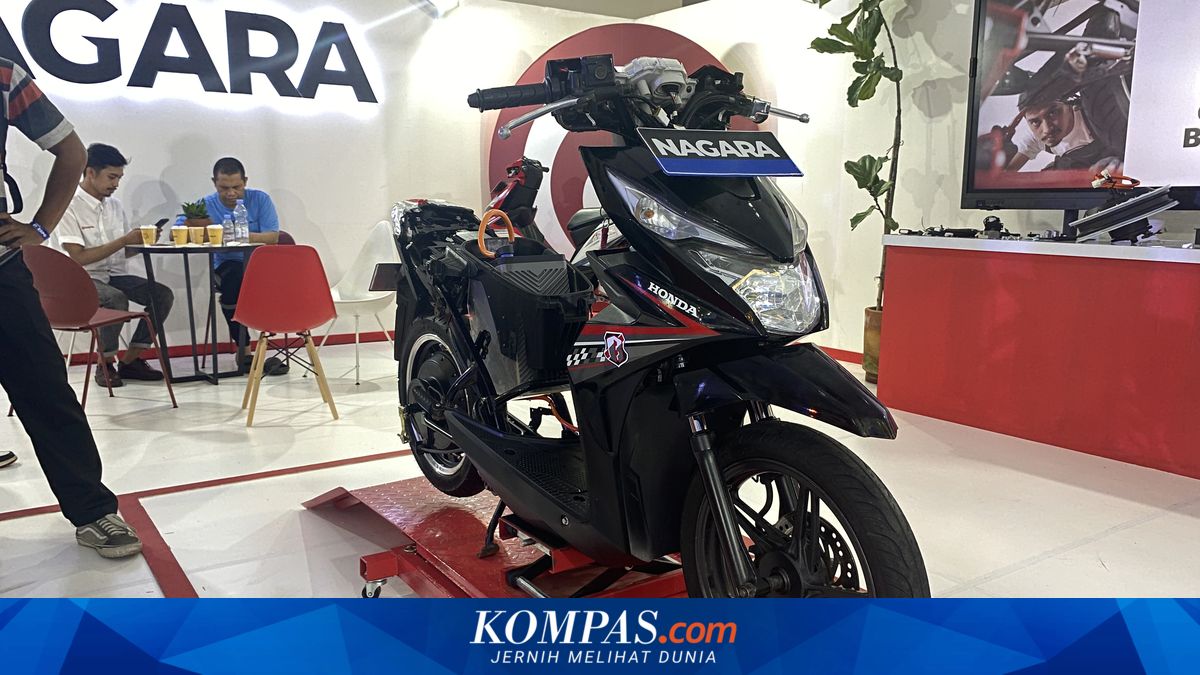
JAKARTA, KOMPAS.com — The Indonesian government’s ambitious plan to convert 120 million conventional petrol-powered motorcycles to electric motorcycles continues to attract attention. This strategic move requires a mature blueprint, not merely targets on paper. According to Bebin, the scale of a conversion programme that covers hundreds of millions of units will not be effective if the process is centralised only in major cities or relies on a handful of modern workshops certified exclusively.
‘For a target of 120 million, centralisation cannot work. Because the vehicles are spread across the archipelago, young people who have graduated from vocational schools such as STM and at that level should be able to carry it out and earn themselves an income,’ Bebin told Kompas.com recently.
Beyond the readiness of mechanics in various regions, the biggest challenge of this programme lies in the supply chain of components, such as batteries, hub-drive electric motors, and controllers. Bebin stressed that the involvement of local suppliers and the private sector is crucial to suppress production costs and avoid imposing a burden on low-income communities.
‘The private sector’s involvement is also needed to obtain quality products at reasonable prices. The target market is consumers who cannot yet afford a new vehicle,’ he said.
Economically, the majority of conventional motorcycle owners in Indonesia are price-sensitive. If conversion costs remain at or above the price of second-hand motorcycles, the programme is unlikely to run optimally.
Therefore, government intervention through incentives, standardisation of core component prices, and cross-subsidies is key to the success of the energy transition in the two-wheeled transport sector.
‘In other words, the conversion cost must be genuinely cheap, but not with shabby products. The government must support this, because ultimately it will reduce petrol use,’ he added.