
PKP Ministry: BSPS Budget Realisation Reaches 13.51 Percent as of 10 June
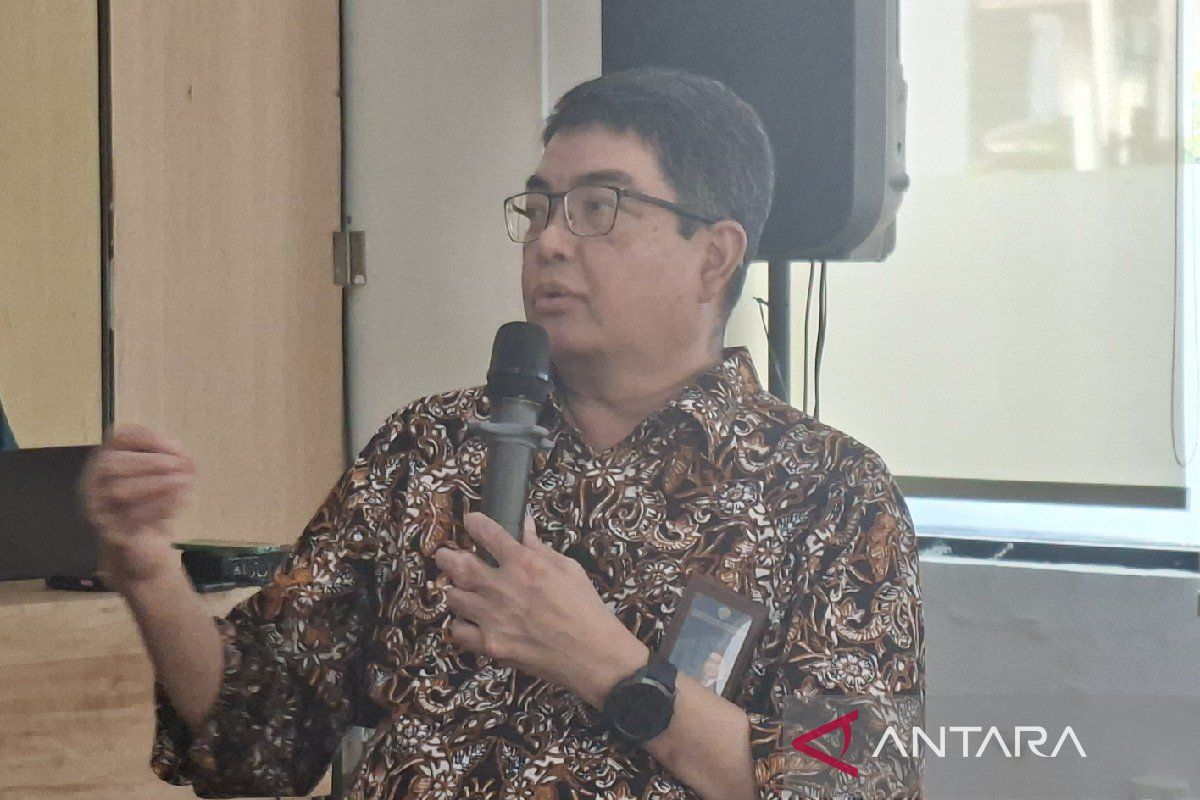
The Ministry of Housing and Settlement Areas (PKP) has revealed that budget realisation for the self-help housing stimulant assistance (BSPS) programme reached 13.51 percent, or IDR 1.15 billion, as of 10 June 2026. PKP Ministry Director General of Settlement Areas Fitrah Nur stated in a press conference in Jakarta on Thursday that realisation against the July 2026 target stands at 23.84 percent of the 2026 BSPS budget ceiling. “Our current position is only 13.51 percent,” he said. Fitrah said his party remains optimistic about achieving the July 2026 target. “I am still optimistic that we can catch up on this, because the entire process is verification,” he said. Currently, the PKP Ministry has issued verification instructions for around 300,000 out of a total of 400,000 prospective BSPS aid recipients. “Hopefully this June we can complete the verification instructions for 400,000 homes,” said Fitrah. He also conveyed that the physical implementation of BSPS is planned to be 100 percent complete by November this year at the latest. The PKP Ministry launched BSPS as a strategic step to accelerate the improvement of uninhabitable housing quality across Indonesia. In 2026, the BSPS quota increased significantly to 400,000 units from the previous 45,000 units in 2025. This increase serves as proof of the government’s commitment to expanding public access to liveable housing. In addition to the quota increase, BSPS implementation is also supported by a digitisation process covering the stages of proposal, beneficiary determination, and field monitoring. Innovation in the open shop selection mechanism also promotes budget efficiency, with the resulting savings returned to the community in the form of additional building materials. PKP Minister Maruarar Sirait emphasised that the BSPS programme does not only focus on improving housing quality, but also has a broad impact on the community’s economy. The PKP Ministry wants to ensure that people can live in decent homes while simultaneously encouraging economic turnover in the regions. The programme also opens job opportunities and provides direct benefits to the community.