
PKB: Domestic Workers Protection Bill to be Passed by DPR After 22-Year Wait
JAKARTA, KOMPAS.com - After more than two decades of struggle, the Domestic Workers Protection Bill (RUU PPRT) has finally entered the final stage of discussion in the House of Representatives (DPR RI), with strong encouragement for it to be promptly enacted into law.
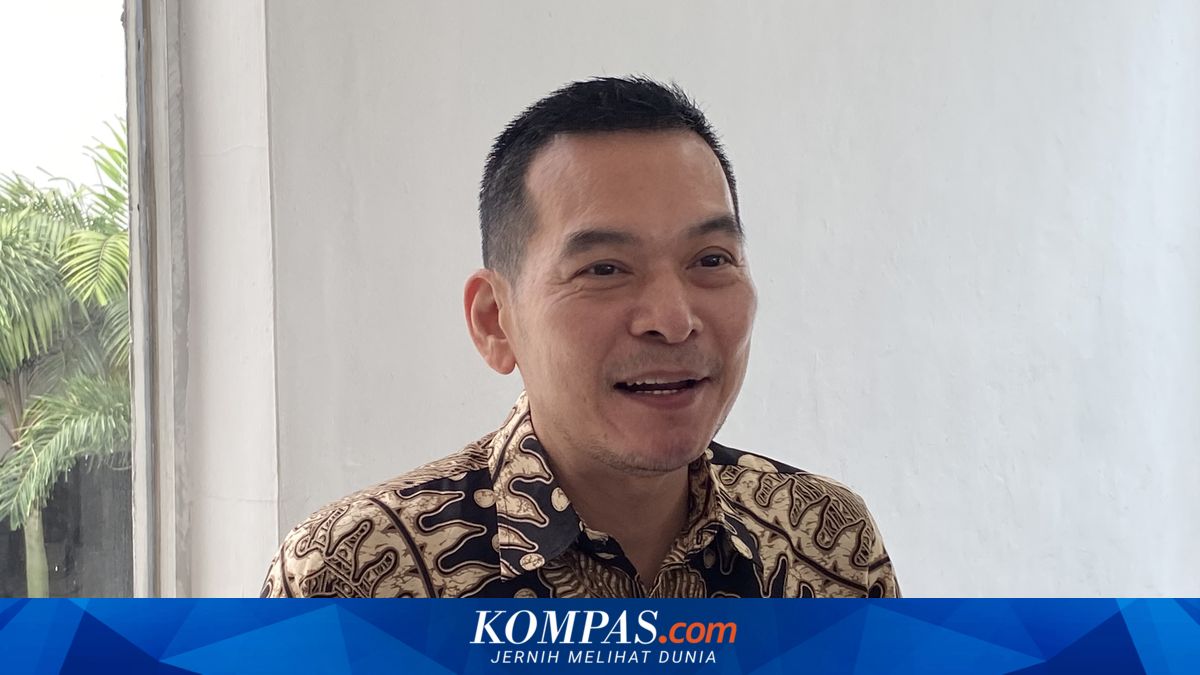
“Thank you for President Prabowo’s attention. After 22 years, this bill has finally entered the final discussion stage. The prayers and struggles of PKB have been answered, after Cak Imin has continuously monitored it directly so that the RUU PPRT can be swiftly enacted into law,” said DPR member from the PKB Faction, Daniel Johan, at the DPR Building on Monday (20/4/2026).
He emphasised that PKB has given serious attention to the RUU PPRT as an effort to provide legal certainty and guarantees for domestic workers in Indonesia.
According to him, the existence of this law is very important to ensure that the rights of domestic workers are comprehensively protected.
In addition, Daniel highlighted that the RUU PPRT also includes aspects of capacity building for workers through vocational training facilitated by the government, both at the central and regional levels.
“This bill also pays attention to domestic workers receiving vocational training from the central and regional governments,” he said.
PKB, continued Daniel, is pushing for the RUU PPRT to be enacted into law in the DPR’s plenary session.
“We hope this bill can be swiftly enacted into law in the plenary session,” he concluded.
Previously, Minister of Manpower Yassierli stated that the government welcomes and supports the RUU PPRT as an effort to provide comprehensive protection for domestic workers.
According to Yassierli, the government is committed to positioning domestic workers as workers with equal rights to other workers, including in terms of fair wage guarantees, working hours and rest, leave rights, as well as protection from discrimination and violence.
In addition, the bill also regulates social security, capacity building through vocational training, as well as mechanisms for employment relations and dispute resolution to provide legal certainty for domestic workers.