
PKB Discusses Economic Impact of Banning Condensed Milk in Free Nutritious Meal Programme, Confident in Boosting Local Dairy Farmers
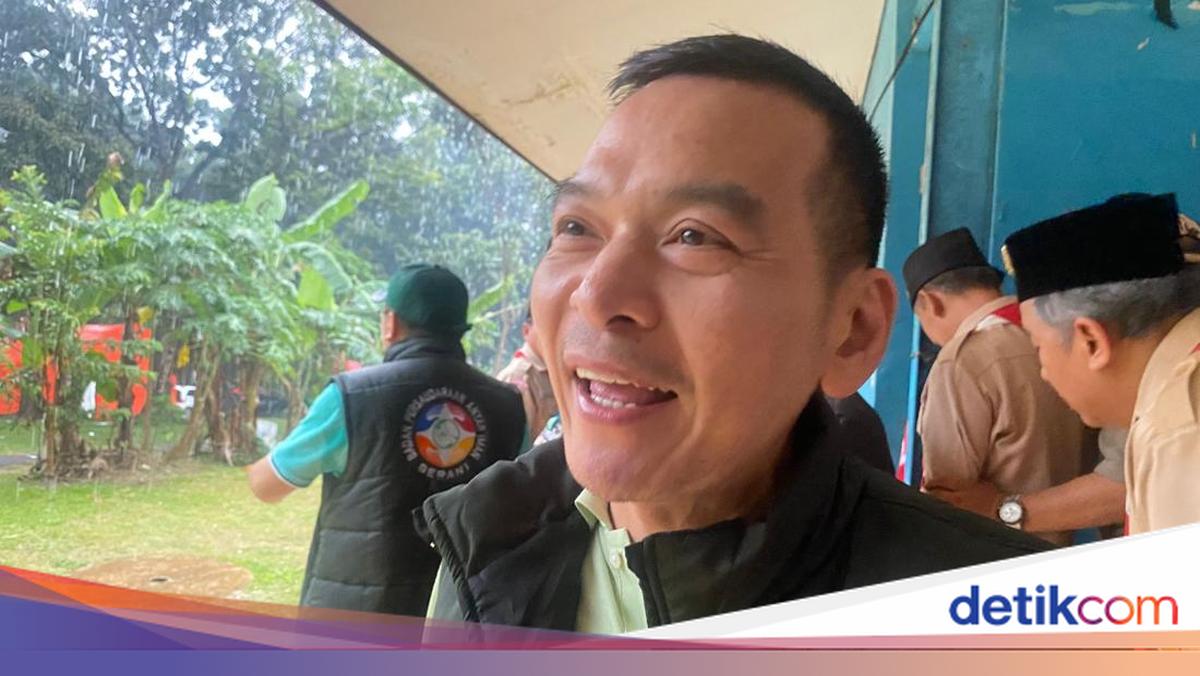
The Chairman of the PKB Central Executive Board, Daniel Johan, believes that the new policy within the Free Nutritious Meal (MBG) programme, which prohibits the use of sweetened condensed milk (SKM) and milk-flavoured drinks, is a significant step. He noted that this policy could serve as a momentum to advance local dairy farmers.
Daniel emphasised that condensed milk cannot be equated with actual milk. Therefore, he argued that improvements in the management of milk distribution within the MBG programme are necessary to ensure that the nutritional intake provided meets food standards.
“This is a very important improvement in the governance of the MBG because condensed milk is not milk,” Daniel told reporters on Thursday (10/09/2026).
Under the new policy, the provision of animal milk containing at least 80% animal milk content is seen as capable of delivering a positive impact on the domestic dairy industry. Daniel stated that this policy has the potential to increase the absorption of dairy products from domestic farmers.
“The new policy of providing animal milk with a minimum of 80% animal milk content will impact domestic dairy farmers,” he said.
The member of Commission IV of the House of Representatives (DPR) supports the policy, provided that food safety and security remain the priority. He emphasised that the animal milk provided to MBG beneficiaries must be guaranteed safe for consumption.
One way to achieve this is by ensuring that the milk has undergone the pasteurisation process before being distributed within the MBG programme.
“It is necessary to ensure that the animal milk is safe for consumption and has undergone the pasteurisation process,” he explained.
According to Daniel, the MBG programme should not only be oriented towards meeting the nutritional needs of the community but should also provide an economic impact for local smallholder farmers.
“In essence, as long as food safety and security remain the top priority, we will support it, especially if it sides with smallholder farmers,” he added.
Nevertheless, Daniel requested that the government prepare all implementation plans for this policy thoroughly. Oversight is also considered crucial to ensure that the policy regarding milk usage in the MBG truly benefits local farmers.
He stressed that the milk used for the MBG programme must also be ensured to be free from imports.
“As Commission IV, we will support this, provided that all plans are maturely prepared. Furthermore, that milk must not be from imports; this must be monitored together,” Daniel concluded.
Previously, the National Nutrition Agency (BGN) prohibited the use of sweetened condensed milk and milk-flavoured drinks in the Free Nutritious Meal (MBG) menu. The BGN recommends animal milk containing at least 80% fresh milk.
The ban is part of the results of a coordination meeting between the BGN and several ministries and agencies, including the Coordinating Ministry for Food Affairs, the Ministry of Agriculture, the Ministry of Health, the Ministry of Industry, BPOM (Food and Drug Authority), as well as industry associations and milk cooperatives. The meeting discussed the utilisation of animal milk in the MBG menu on Tuesday (08/09/2026).
“The BGN strictly prohibits the use of milk-based drinks, milk-containing drinks, milk-flavoured drinks, or sweetened condensed milk in the MBG menu,” the BGN stated in a post.
Source: jawawa.id (https://jawawa.id/newsitem/pkb-discusses-economic-impact-of-banning-condensed-milk-in-free-nutritious-meal-programme-confident-in-1789005835)
Originally published by detikcom (https://news.detik.com/berita/d-8656342/pkb-bicara-efek-ekonomi-skm-dilarang-di-mbg-yakin-majukan-peternak-susu-lokal), translated from Indonesian