
PIS restores 100 coral reef fragments in West Bali waters
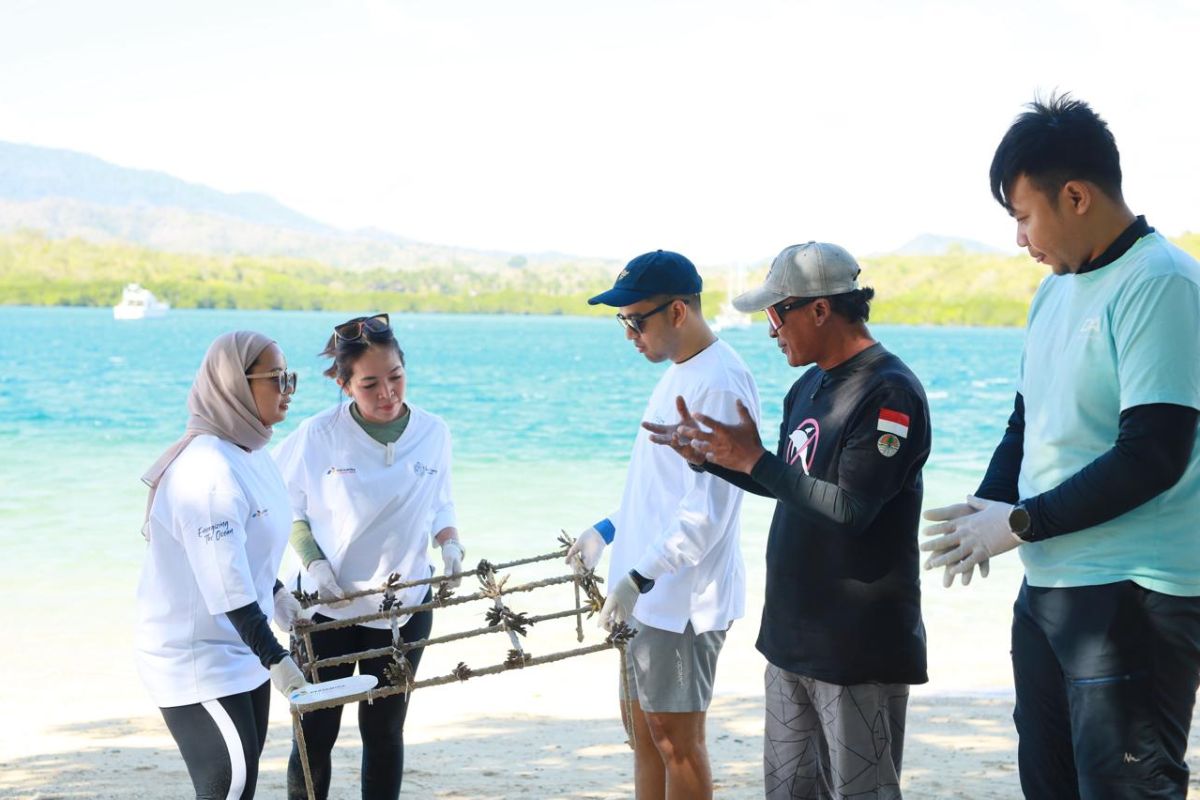
PT Pertamina International Shipping (PIS) has carried out the restoration of 100 coral reef fragments in the western seas of Bali as part of the company’s commitment to preserving Indonesia’s marine environment.
Acting Corporate Secretary of PIS, Vega Pita, stated in Jakarta on Friday that this underwater ecosystem restoration was conducted in collaboration with the environmental non-governmental organisation Divers Clean Action (DCA) and the Pejarakan Village Environmental Task Force. The activity is designed to support the achievement of Sustainable Development Goal (SDG) 14, which focuses on Life Below Water.
“Through this programme, PIS aims to rehabilitate the physical structure of damaged coral reefs to restore ideal natural habitats for various marine species to breed and forage,” said Vega.
The initiative, which took place on 24-25 July 2024, was accompanied by the Ocean LiteraSEA programme, an educational initiative for young children regarding the beauty of the Indonesian archipelago, as part of the company’s social and environmental responsibility (TJSL) programme.
Vega added that PIS believes preserving the ocean must involve engaging coastal communities and future generations through tangible action and instilling a love for the sea from an early age. “The sea is our shared source of life, which we must care for together. Sustainability is about how business and nature can walk hand in hand,” he explained.
During the implementation, 100 coral reef fragments were placed at a depth of three metres in the coastal waters of Pejarakan Village. To ensure the sustainability and survival of the coral reefs, periodic monitoring will be conducted every three months by the Pejarakan Village Environmental Task Force. Through this marine biodiversity programme, PIS has planted a total of 3,725 coral reef fragments across various Indonesian waters.
In addition to the positive impact on the marine ecosystem, this coral reef recovery is projected to provide socio-economic benefits to the local community by strengthening the underwater tourism sector, which is a pillar of the local economy. Meanwhile, through the Ocean LiteraSEA Programme, PIS provides interactive marine literacy education based on storytelling, alongside the distribution of educational facilities and marine support tools for children in Pejarakan Village. PIS is also working with local coastal foundations to strengthen educational facilities and public infrastructure. This step represents PIS’s commitment to supporting SDG 4, Quality Education, to promote access to high-quality education for coastal communities.
“Through the synergy between PIS, DCA, and the local community of Pejarakan Village, we hope that this coral reef restoration and maritime education programme can act as a stimulus for the recovery of Indonesia’s maritime ecosystem and the creation of an ocean-conscious generation that can empower coastal communities,” concluded Vega.