
PIP 2026 for Kindergarten Children: Eligibility, Grant Amount and How to Apply
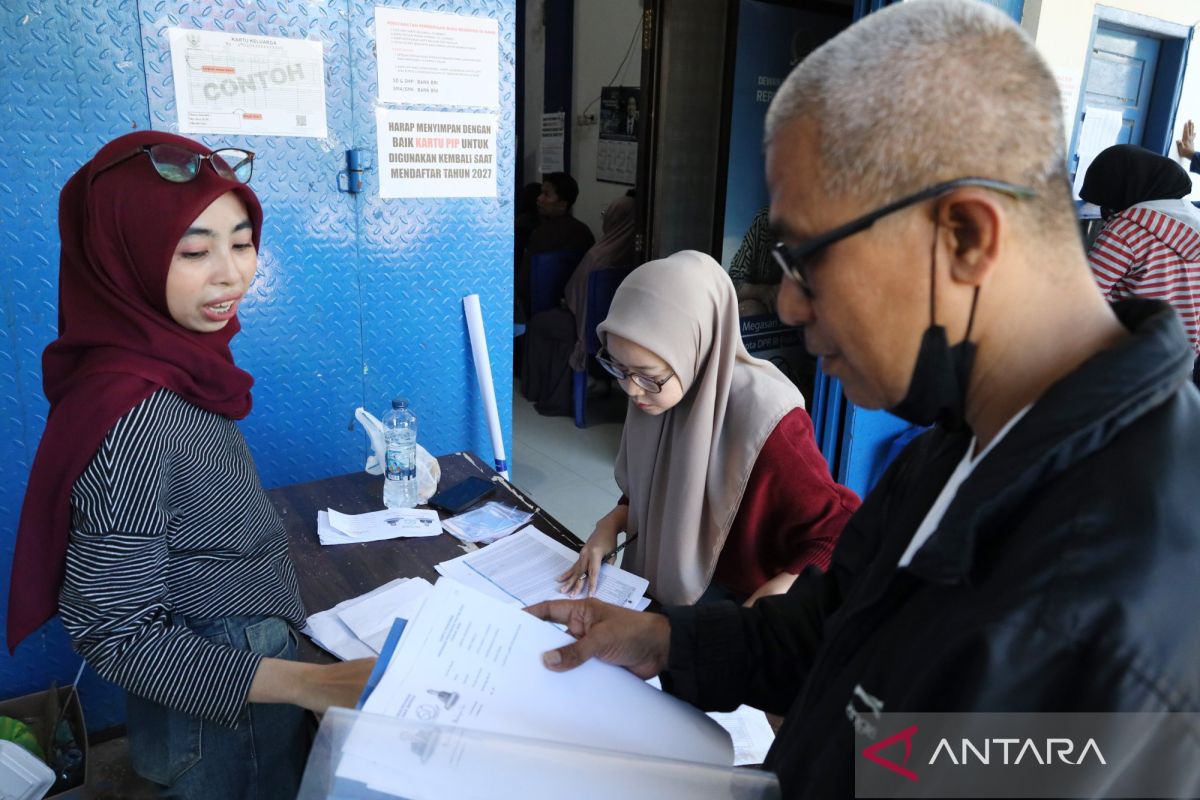
Jakarta (ANTARA) – The government is expanding the Smart Indonesia Programme (Program Indonesia Pintar/PIP) in 2026 to include kindergarten pupils as recipients of education assistance. The policy is part of efforts to help low-income families meet children’s education costs from an early age.
The expansion will take effect in the 2026/27 academic year. Under the policy, PIP assistance will no longer be limited to primary and secondary school levels, but will also cover pre-school education, including kindergarten.
Under the latest rules, eligible kindergarten pupils can receive assistance of Rp450,000 a year. The funds are intended to help ease children’s personal education expenses.
However, assistance will not automatically be given to every kindergarten pupil. Prospective recipients must meet the set criteria and undergo verification and selection under the PIP 2026 mechanism.
The Smart Indonesia Programme is education assistance for pupils from poor or economically vulnerable families, intended to help them continue accessing education.
Under the latest rules, PIP eligibility has been extended to pre-school pupils aged from five to under 22. The age limit does not apply to pupils with special needs.
In general, prospective recipients must meet the following requirements:
Be an Indonesian citizen.
Be registered as an active pupil in the Basic Education Data system (Data Pokok Pendidikan/Dapodik).
Come from a poor or economically vulnerable family.
Meet recipient-priority criteria based on the matching of socio-economic data and verification of the pupil’s circumstances.
Have complete and valid identity and family information for the nomination process.
In addition to a family’s economic circumstances, several groups are prioritised in the nomination process. These include pupils from households in deciles 1 to 4 of the National Single Socio-Economic Data (Data Tunggal Sosial Ekonomi Nasional/DTSEN), orphans and children who have lost one parent, pupils in care homes, pupils with special needs, and children at risk of dropping out or returning to school after having dropped out.
Other priority groups include pupils whose parents or guardians have been laid off, whose parents or guardians are serving prison sentences, and children in conflict with the law or under the supervision of a Special Development Institution for Children (Lembaga Pembinaan Khusus Anak/LPKA).
Meeting these criteria will be taken into consideration during verification. Being a kindergarten pupil or coming from a low-income family alone does not automatically guarantee that a child will be selected for assistance.
PIP assistance for kindergarten pupils
Under Decree of the Minister of Primary and Secondary Education No. 171 of 2026, PIP assistance for kindergarten pupils is set at Rp225,000 per semester.
Thus, kindergarten pupils who qualify for assistance in both semesters can receive a total of Rp450,000 in a year.
The per-semester amount forms part of changes to the PIP assistance mechanism in 2026. Assistance for other education levels is also set according to the relevant level of education.
PIP funds are intended to help cover pupils’ personal education needs. The assistance is expected to ease the burden on families and help children participate more fully in educational activities.
Parents should understand that PIP nominations are not made through individual applications. The process involves schools, education offices and relevant parties, using the established system.
The following are the stages parents should know about:
- Make sure the pupil’s data is recorded in Dapodik
Parents can contact the kindergarten to check that their child’s information has been entered and updated in Dapodik. Details to check include the child’s full name and date of birth, National Student Identification Number (Nomor Induk Siswa Nasional/NISN), if available, National Identity Number (Nomor Induk Kependudukan/NIK), mother’s name, and parents’ employment and income information.
Incomplete or inaccurate data can hinder the matching and verification of prospective recipients.
- Tell the school about the family’s economic circumstances
If a family is poor or economically vulnerable, parents can inform the school so that this can be considered during verification.
Parents can also tell the school if their child belongs to a priority group, such as an orphan, a child with a disability, or a child from a family affected by layoffs.
The information must be accurate and verifiable to ensure that recipient selection follows the rules.
- The school verifies and submits nominations
Under the PIP 2026 mechanism, schools are authorised to verify and validate prospective recipients using the available data.
Schools draw up a priority list of pupils in line with the targets set out in the Smart Indonesia Programme Information System (Sistem Informasi Program Indonesia Pintar/SIPINTAR). The process also takes account of families’ economic circumstances and the results of socio-economic data matching.
The nominations prepared by the school are reviewed by the school committee, then submitted through the established mechanism to the Centre for Education Financing Services (Pusat Layanan Pembiayaan Pendidikan/Puslapdik) via the education office.
- The education office monitors and validates nominations
The education office oversees the nomination process and validates the list of prospective recipients submitted by schools.
For Phase II nominations for the 2026 budget year, schools are scheduled to verify, validate and submit nominations from 15 to 22 October 2026. The education offices will then carry out verification and validation from 23 to 30 October, and must send nomination letters to Puslapdik by 6 November 2026 at the latest.
These dates are for schools and education offices to submit nominations, not a deadline for parents to make individual applications.
- Check recipient selection and account status
Prospective recipients who have undergone verification and validation must still wait for official confirmation. A nomination by the school does not guarantee that assistance will be awarded.
Parents can ask the school for updates and check recipient information through official PIP channels.
If a child is selected, parents should check the account status and applicable disbursement requirements. The assistance is paid into the recipient’s active bank account under the programme’s procedures.
Official information about the programme is available on the PIP website at pip.kemendikdasmen.go.id.
Points for parents to note
Parents should be wary of anyone promising to secure PIP disbursement in return for money or an administrative fee. PIP is a government programme with an official process, and its funds should not be reduced or subject to charges by third parties.
Parents should also ensure that the child’s and family’s information is recorded accurately. Any changes to identity, civil registration or family details should be updated in coordination with the school.
It is also important to understand that nomination is not the same as selection. The final decision depends on verification, validation, the programme’s recipient targets and the rules in force.
Extending PIP to kindergarten offers more children the opportunity to receive education-cost support from an early age. To help ensure the assistance reaches the intended recipients, parents should keep their child’s data accurate and remain in contact with the school throughout the nomination process.
Source: jawawa.id (https://jawawa.id/newsitem/pip-2026-for-kindergarten-children-eligibility-grant-amount-and-how-to-apply-1792889474)
Originally published by Antara (Indonesian) (https://www.antaranews.com/berita/5810079/pip-2026-untuk-anak-tk-syarat-besaran-bantuan-dan-cara-usul), translated from Indonesian