
Piles of Rubbish Blanket Historic River of the Banten Sultanate
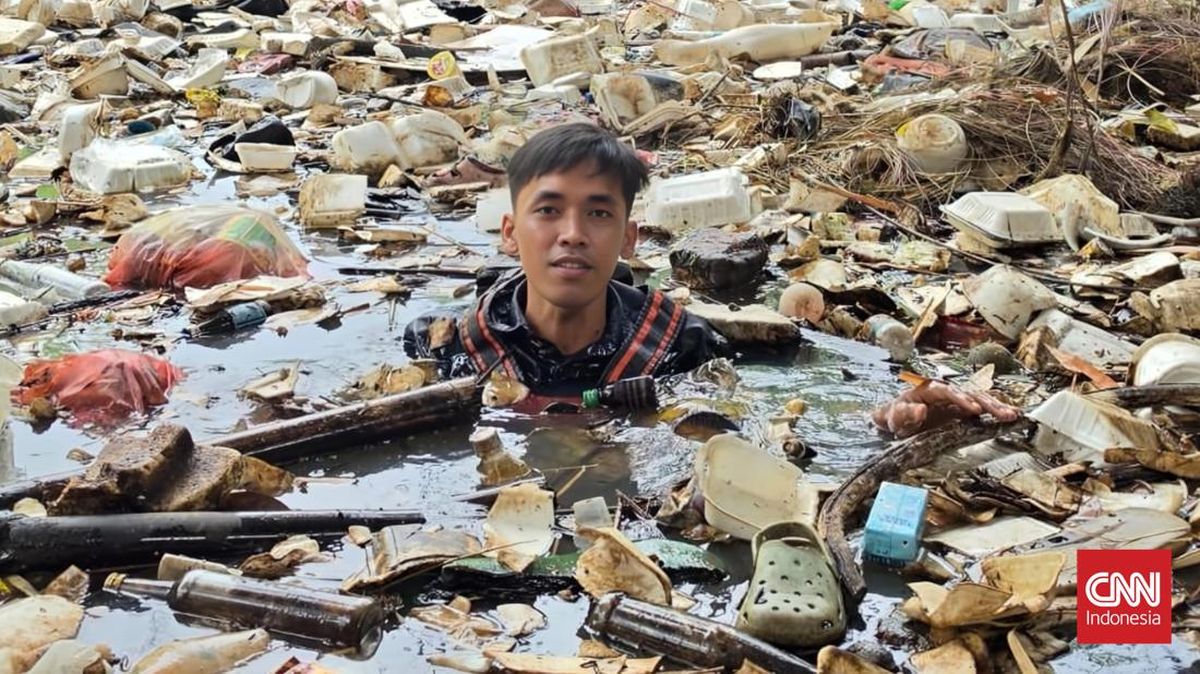
Piles of waste are clogging the flow of the Cibanten River in Serang City, as a group of volunteers from the Banten River Care Community (KPSB), alongside the Environmental Care Alliance, conducted a river cleanup action last weekend.
The river, which holds a long history within the Banten Sultanate, was seen filled with household waste, plastics, sandals, clothing, and styrofoam.
“A lot of household waste was found being dumped into the river, along the riverbanks, roadsides, and vacant lots,” said the Chairman of KPSB, Lulu Jamaludin, on Monday (15/6).
During the Cibanten River cleanup activity on Saturday (14/6), volunteers even observed residents throwing rubbish into the river and onto empty land.
“There are still residents throwing rubbish into the river from the top of bridges while passing through,” he explained.
The Cibanten River spans 35 kilometres and served as a vital transport artery during the era of the Banten Sultanate—with its headwaters in Mount Katang and its mouth in Karangantu—but it is now filled with waste, causing the water to turn black.
In order to preserve this historically significant river, volunteers hope the Serang City Government can take firm action against residents who dispose of waste indiscriminately.
“One of the proposals submitted is the strengthening of the enforcement of Serang City Local Regulation Number 7 of 2021 concerning Waste Management,” he stated.
Volunteers are urging various agencies to increase supervision, conduct enforcement operations, and install surveillance cameras in locations prone to illegal dumping.
Furthermore, they suggest that violators should be given educational social sanctions to raise awareness about the dangers of littering, particularly into river flows.
“The goal is not to shame residents, but to serve as part of an educational effort so that a sense of shared responsibility for environmental cleanliness can grow,” said Lulu.
According to the group, those caught littering could be sanctioned with community service, such as cleaning up waste at the site of the violation. Additionally, the government could provide more waste disposal sites and encourage residents to actively participate in waste banks.
Moreover, the government could implement public education regarding the Reduce, Reuse, and Recycle (3R) principles to ensure residents are aware of the dangers of indiscriminate waste disposal.
“Community awareness is the primary key. If every citizen has the concern to dispose of waste in the proper place, the river will remain clean and the environment will stay healthy,” he explained.