
Pigai, What Is Your Heart Made Of?
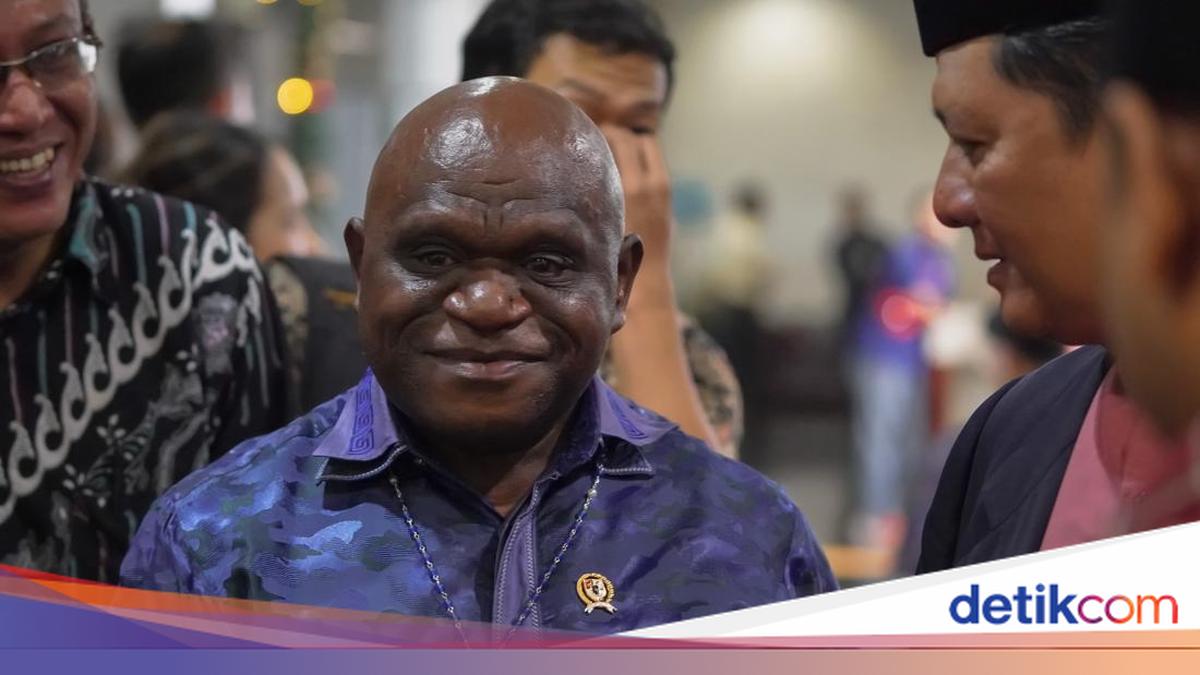
In a nation that frequently speaks of unity, a silent irony grows like moss on the walls of our national identity—some still feel entitled to insult others based on skin colour, hair, or heritage. Each time I see Natalius Pigai subjected to racist abuse, I find myself asking the same question: ‘Pigai, what is your heart made of?’ For it is not easy to be constantly bombarded with hatred yet remain composed, retaining both reason and humanity. It is not easy to live in the public sphere when attacks no longer target your intellect but your very existence as a human being. Racism is the most primitive form of insult. It does not care who you are, your achievements, or how hard you have fought. It only seeks to utter one cruel truth: ‘You are unworthy of respect because you were born different.’ How tragic that such words still persist in a republic supposedly founded on humanity. Yet there is something striking about Pigai. The more he is insulted, the clearer it becomes that the fragile one is not him, but his haters. For morally strong individuals do not need insults to feel significant. Only those with small souls resort to belittling others to mask their own emptiness. Some may believe harsh social media comments can bring Pigai down. They are mistaken. They forget: those who have long lived with wounds learn to withstand storms. Papuans have long been familiar with stereotypes, suspicion, and insults. Perhaps that is why Pigai stands like a rock, battered by waves yet remaining steadfast. ‘Pigai will not fall to racism.’ For racism can only wound the surface; it lacks the strength to destroy someone who has made peace with themselves. It is the haters who crumble, bit by bit. Every act of hatred thrown at others reveals the inner corruption of the perpetrator. Racial insults are not a mirror for the victim, but for the offender. From this, we see the poverty of empathy, the fragility of morality, and the shallowness of how some understand humanity. Pigai may be cursed, but curses do not automatically make someone base. There is a simple proverb that rings true: insults do not end up in the rubbish bin, praise does not become the moon. A person does not become dirty because they are insulted. Nor do they automatically become noble because they are praised. A person’s worth is not determined by public clamour, but by the moral quality they uphold in facing life. And so far, ‘it is Pigai who demonstrates this moral resilience.’ He continues to speak. He remains present. He counters ideas with ideas. While some hide behind social media anonymity to hurl racist insults that require no intellectual courage. Sometimes I think the greatest strength is not the ability to retaliate against hatred, but the ability to remain uncorrupted despite continuous pain. And it is here that Pigai appears stronger than many. Because hatred seeks to spread. It hopes the insulted will become bitter, angry, and lose their humanity. But when someone maintains their dignity, chooses calm, and continues living without drowning in resentment, that is where hatred truly loses. Kindness always wins. Goodness may not triumph quickly. It may seem quiet, overshadowed by hatred, but eventually, it WILL WIN. History always proves that people are remembered not for how fiercely they hated, but for how they upheld humanity when the world treated them unfairly. And this may be what is happening to Pigai. People may continue to insult his skin colour, but they have never succeeded in darkening his mind. ‘They may attack his face, but they cannot break his courage.’ For what keeps a person upright is not skin colour, but moral strength. Meanwhile, those busy spreading racism reveal something tragic: the fragility of their own hearts. For those at peace with themselves have no need to belittle others. Thus, the question ‘Pigai, what is your heart made of?’ no longer sounds like pity. It becomes admiration. Admiration for standing firm as a human amidst so much abuse, and more importantly, for choosing not to lose their humanity.
Source: jawawa.id (https://jawawa.id/newsitem/pigai-what-is-your-heart-made-of-1780080172)
Originally published by detikcom (https://news.detik.com/kolom/d-8509503/pigai-hatimu-terbuat-dari-apa), translated from Indonesian