
Pigai: It Is Highly Unlikely That the Government Will Determine the Status of Human Rights Activists
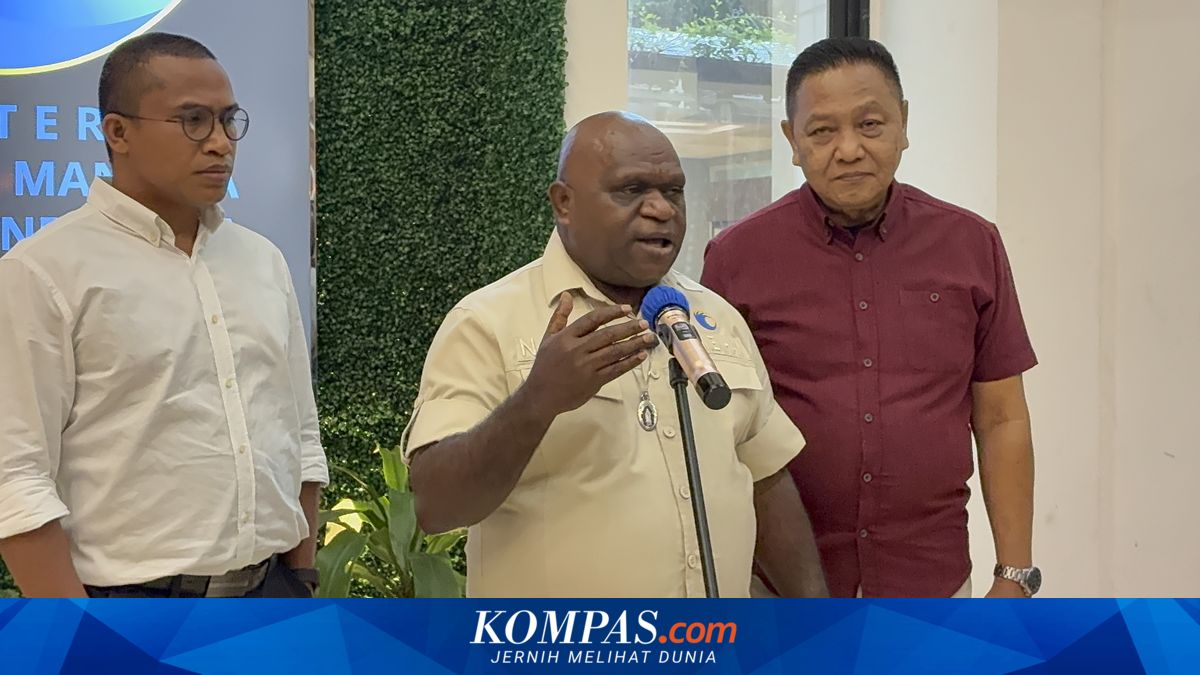
Human Rights Minister Natalius Pigai has denied that the government will determine the status of human rights activists. Pigai stated that, based on the human rights protection system, the government must not regulate civil domains, let alone determine the status of human rights activists. “Therefore, it is highly unlikely that the government would intervene to regulate, let alone decide who is a human rights defender and who is not, who is an activist and who is not. It is impossible for the government to intervene. I state that it is impossible for the government to intervene,” Pigai said at the Ministry of Human Rights office in South Jakarta on Monday (4/5/2026). “That is what we will ensure later: certain protection for the defenders,” he added. Pigai explained that the criteria for human rights activists will be determined by society, Komnas HAM, Komnas Perempuan, and Komnas Anak, not the government. “Thus, it is mistaken to say that the government does not determine the status of human rights defenders or activists. It is highly unlikely because we are aware of international regulations, particularly the UN resolution on human rights defenders from 1998, and on defenders who are women activists from 2013, which state that the state must not interfere,” he said. “The Ministry of Human Rights will appoint people who are national activist figures, professional figures, top scientists, like Mr Makarim Wibisono, former Chair of the UN Human Rights Commission. People of their calibre are not subjective. They are done. The advisory team will certainly be objective with criteria,” Pigai said in an exclusive interview with ANTARA in Jakarta on Wednesday (29/4/2026). The advisory team consists of figures with competence in human rights. “Later, we will select from various elements. There will be from civil society communities, from the government namely the Ministry of Human Rights, from Komnas HAM itself, Komnas Anak, Komnas Perempuan, Komnas Disabilitas. We will also ask law enforcement officials to be members of the advisory team, so they can see that this is genuine,” Pigai said. The status of human rights activist borne by someone will determine that the person is entitled to legal protection. According to Pigai, protection is only given to parties who defend public interests, especially vulnerable groups, without personal or commercial interests. “If they defend those who are treated unjustly, the little people, the weak who struggle for justice, then they happen to be human rights activists, they will be designated as human rights activists,” he said. The status of human rights activist will not be given to someone if that person works on behalf of payment from certain parties. “So, it is possible that a human rights activist, at a certain time the advisory team finds that they are working, even though their status is as a human rights activist, when they are working for payment, they cannot be a human rights activist,” Pigai said.