
Pig Feast Without Pigs
George Orwell wrote Animal Farm in 1945, a satire about how the pigs leading the revolution slowly transform into the new rulers.
Its main message is simple: power not only oppresses with force but also controls language by altering words until the truth itself becomes hard to recognise.
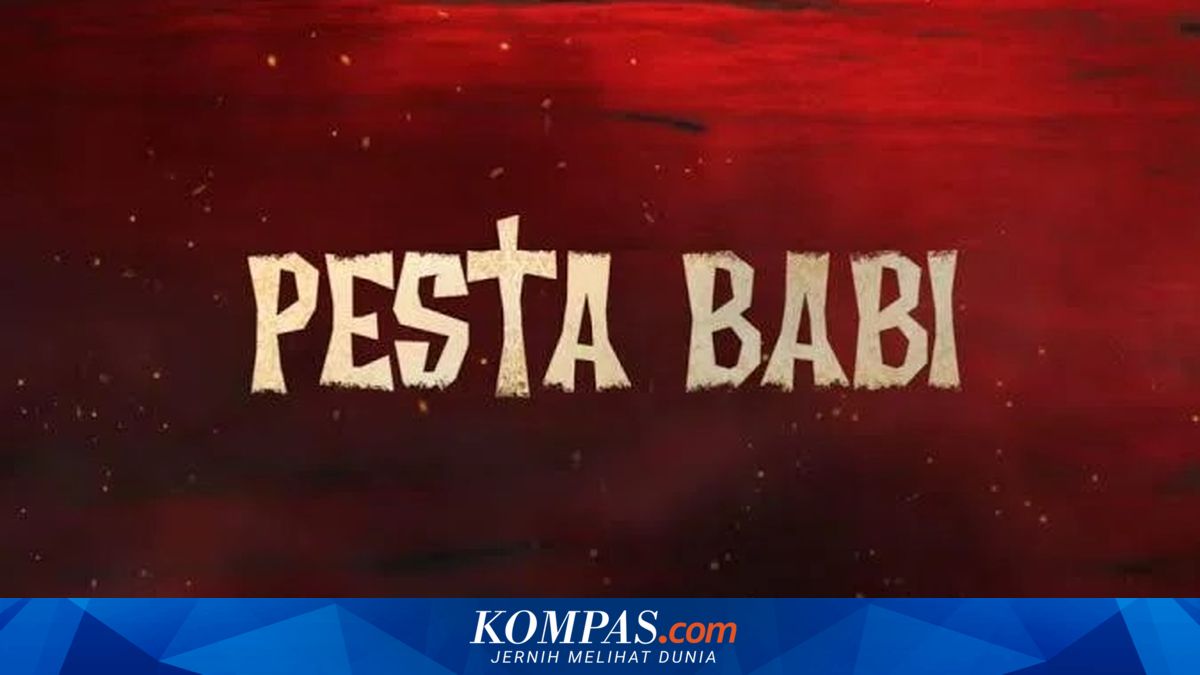
The documentary film Pig Feast by Dandhy Laksono and Cypri Dale is not about animals.
The film tells the story of the Marind, Yei, Awyu, and Muyu tribes in South Papua who are losing their forests and ancestral lands due to the expansion of palm oil plantations, sugarcane, and large-scale food projects.
Its title is taken from the Awon Atatbon tradition, a Muyu tribe ritual involving pigs as a symbol of social and cultural life.
Without forests, there are no pigs. Without pigs, there is no feast. And ultimately, what is lost is identity itself.
Watchdog data records at least 21 instances of serious intimidation during the film’s screenings in various regions, ranging from pressure to cancel screenings, calls from security parties, intelligence surveillance, to forced dispersals.
This is where the Animal Farm analogy becomes apt. In Orwell’s novel, the pigs in the sty shout: “All animals are equal.”
Over time, that sentence quietly changes to: “All animals are equal, but some are more equal than others.”
This change does not always occur through revisions to laws or open debates.
It can grow slowly through habits of silence, subtle pressures, and fear allowed to develop.
What happened to the film Pig Feast is not much different. There is no official prohibition in the form of a written decision from authorised institutions. There is no court ruling stating that the film violates the law.
Group watching and film discussions are part of the public’s right to obtain information and enjoy cultural works.
Dispersals of such activities, by any party, require a clear and valid legal basis.