
Pidie Jaya Regency proposes construction of 3,056 permanent housing units
Banda Aceh (ANTARA) - The Pidie Jaya Regency Government has proposed the construction of 3,056 permanent housing units for victims of the hydrometeorological disaster that struck the area at the end of November 2025.
The Head of the Pidie Jaya Regency Disaster Management Agency (BPBD), Okta Handifa, contacted from Banda Aceh on Wednesday, stated that the permanent housing construction is proposed to the central government through the National Disaster Management Agency (BNPB).
“The Pidie Jaya Regency Government has proposed 3,056 permanent housing units for the victims of the hydrometeorological disaster. These thousands of permanent housing units are proposed to be built in several disaster-affected areas in Pidie Jaya Regency,” he said.
Okta Handifa explained that of the 3,056 proposed permanent housing units, 2,317 will be built on independent land owned by the respective beneficiaries. This land is confirmed not to be in disaster-prone zones.
The remainder will be built at relocation points. There are five relocation points for the permanent housing construction. The Pidie Jaya Regency Government has prepared relocation land for the permanent housing construction, said Okta Handifa.
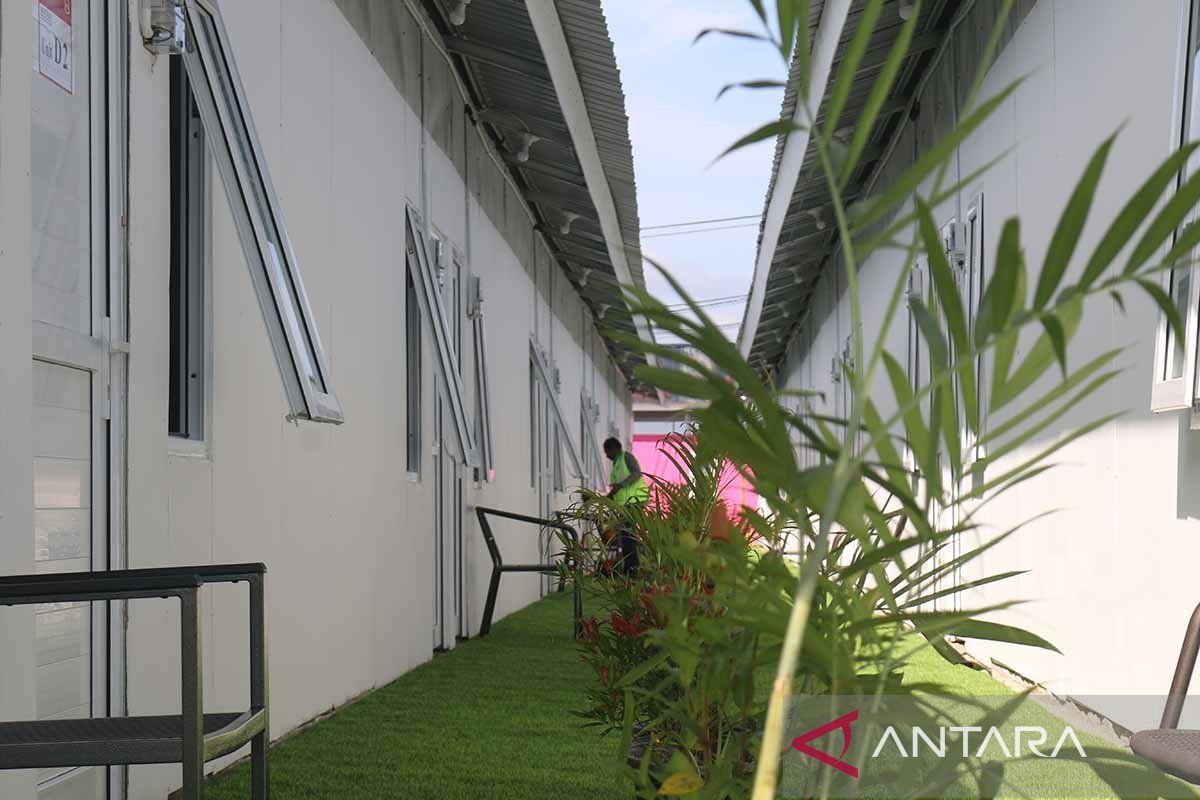
Regarding temporary housing for the hydrometeorological disaster victims, Okta Handifa stated that 1,342 units have currently been built. Of these 1,342 temporary housing units, 1,280 have been occupied.
“These temporary housing units are spread across 26 points in Pidie Jaya Regency. Of the 26 housing points, 13 were built by BNPB, eight by Danantara, the Ministry of Public Works and two by Dompet Dhuafa each, and the Kita Bisa Humanitarian Institution built at one point,” said Okta Handifa.
The hydrometeorological disaster struck Pidie Jaya Regency at the end of November 2025 due to days of heavy rain causing the Meureudu River (Krueng Meureudu) to overflow.
The river overflow caused flash floods that carried wood and mud materials. The mud buried residents’ settlements and public facilities up to a height of two metres.