
PHRI believes tempeh has potential to become Indonesia's culinary tourism identity
Jakarta (ANTARA) – The Indonesian Hotel and Restaurant Association (PHRI) considers tempe to have the potential to become one of Indonesia’s culinary tourism identities whilst adding economic value through menu development in hotels and restaurants.
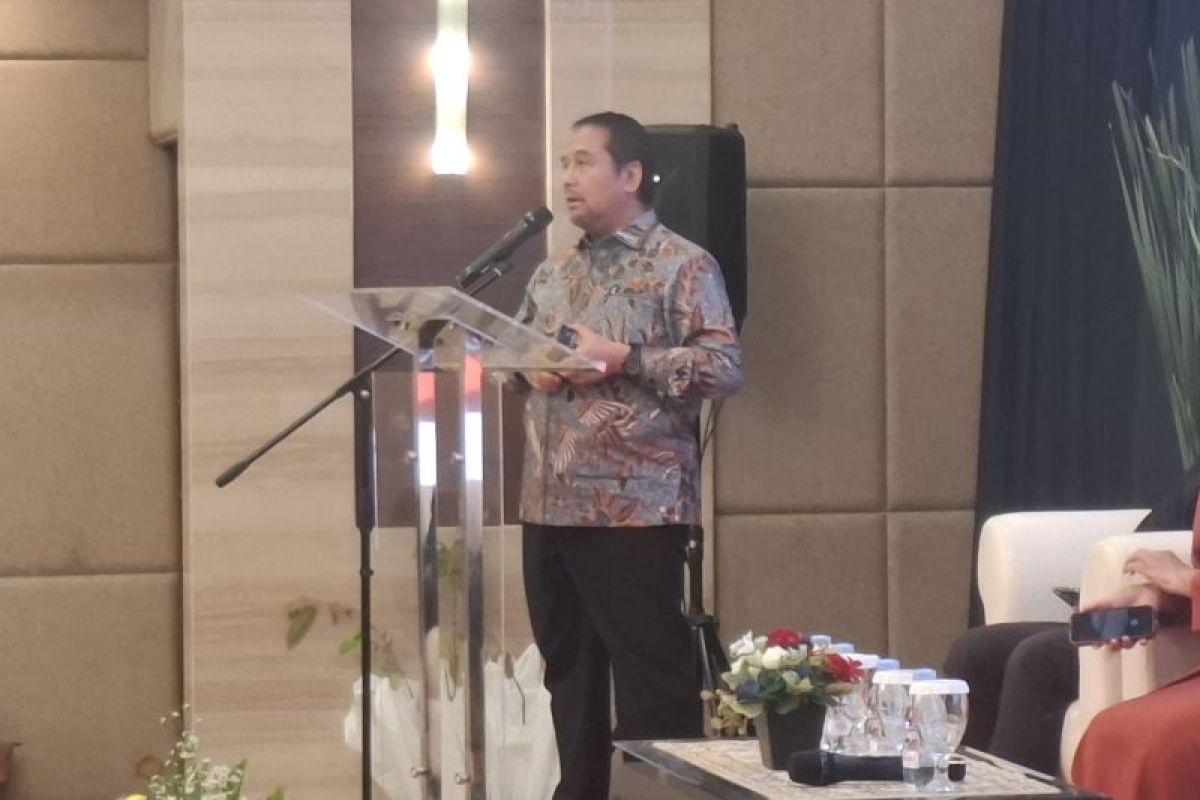
PHRI Chairman Hariyadi BS Sukamdani said hotels and restaurants occupy a strategic position for introducing tempe to tourists, as they serve as meeting points between tourism, culture and cuisine.
“In hotels, tourism meets culture and cuisine. This provides an experience for guests interacting in hotels and restaurants,” Hariyadi said at the National Seminar on Strengthening National Food Resilience in Jakarta on Monday.
According to him, tempe possesses history, traditional knowledge, a distinctly Indonesian fermentation process and local wisdom that can be developed into a national culinary brand.
Hariyadi compared this potential with a number of foods already attached to national identities, such as kimchi from South Korea, tom yum from Thailand, sushi from Japan and pizza from Italy.
“Can tempe become Indonesia’s identity? The answer is absolutely yes,” he said.
He noted that tempe is no longer served merely as a side dish or accompaniment, but is increasingly processed into a variety of value-added menus in hotels and restaurants.
These products include tempe burgers, tempe steak, tempe Wellington, tempe katsu sando, tempe carpaccio and other tempe-based dishes developed through the creativity of chefs.
Tempe is also increasingly featured as a healthy menu item and plant-based protein source in buffet spreads, breakfast menus and dedicated sections for vegetarian consumers.
“Tempe used to be seen as non-premium food. Now it has moved up the ranks, and hotels and restaurants proudly serve tempe,” he said.
Beyond consumption in hotels and restaurants, processed tempe products can be developed as souvenirs through partnerships with micro, small and medium enterprises (UMKM).
According to him, such collaboration can widen the market for tempe products whilst opening opportunities to increase income for local food producers and processors.
Hariyadi said tourists have also shown interest in traditional Indonesian foods, including tempe, so developing a variety of dishes can strengthen the culinary tourism experience.
Nevertheless, strengthening the tempe industry must be accompanied by increased domestic soybean production, as most of the raw material requirement is still met through imports.
Data from the Coordinating Ministry for Food shows that average soybean imports in 2022–2026 reached 2,459,519 tonnes, or 93.58 percent of the average national requirement of 2,620,294 tonnes.
Meanwhile, average net domestic soybean production over the period reached 190,223 tonnes, or around 8.14 percent of the requirement.
Hariyadi said PHRI also supports soybean self-sufficiency efforts to strengthen raw material availability, sustain the tempe industry and reduce the influence of exchange rate movements on production costs.
At the same event, Chairman of the Indonesian Tempe Forum Hardinsyah said Indonesian tempe has been exported to 12 countries, in line with growing global interest in plant-based foods and environmentally sustainable products.
According to him, improving sanitation, food safety, packaging and marketing standards is a prerequisite for Indonesian tempe products to reach international markets more broadly.
The Indonesian Tempe Forum, he added, mentors producers through the development of the Tempe House in Bogor as an example of a hygienic production process that meets export requirements.
“Once exported, sanitation and food safety requirements must be met,” Hardinsyah said.
He explained that proposing tempe culture as a UNESCO Intangible Cultural Heritage requires collaboration between government, academics, industry, communities, UMKM players and civil society organisations.
The Indonesian Tempe Forum plays a role in initiating the proposal from the cultural and industrial sides, coordinating the proposing team, preparing historical evidence and cultural documentation, and mobilising the tempe producer community.
“International recognition can strengthen tempe’s position as Indonesia’s cultural heritage whilst supporting preservation, market expansion and increased economic benefits for producers and businesses,” he said.
Based on data from Persistence Market Research presented by the Indonesian Tempe Forum, the global tempe market value is projected to rise from around US$2.6 billion, or approximately Rp46.98 trillion, in 2025 to US$4.8 billion, or Rp86.72 trillion, in 2032.
The market is estimated to grow at a compound annual growth rate of 9.1 percent over 2025–2032, compared with historical growth of 8.4 percent in 2019–2024.
Meanwhile, the Government is preparing ten measures to accelerate soybean self-sufficiency, covering land provision, superior seeds, fertiliser and pesticides, agricultural machinery, irrigation, human resources and assistance, financing, downstream processing, market certainty, and protection of domestic production from imported soybeans.
In addition to strengthening domestic production, the government has introduced short-term policies to protect the viability of tofu and tempe producers from pressure caused by rising raw material prices.
On 9 June 2026, the government, through the Coordinating Ministry for Food, decided to provide a soybean subsidy of Rp2,000 per kilogram via state logistics firm Perum Bulog for an initial phase of 250,000 tonnes, with the budget requirement estimated at around Rp500 billion.
Source: jawawa.id (https://jawawa.id/newsitem/phri-believes-tempeh-has-potential-to-become-indonesias-culinary-tourism-identity-1785167770)
Originally published by Antara (Indonesian) (https://www.antaranews.com/berita/5668399/phri-nilai-tempe-berpotensi-jadi-identitas-wisata-kuliner-indonesia), translated from Indonesian