
Photobiomodulation Technology Begins Development for Skin Care
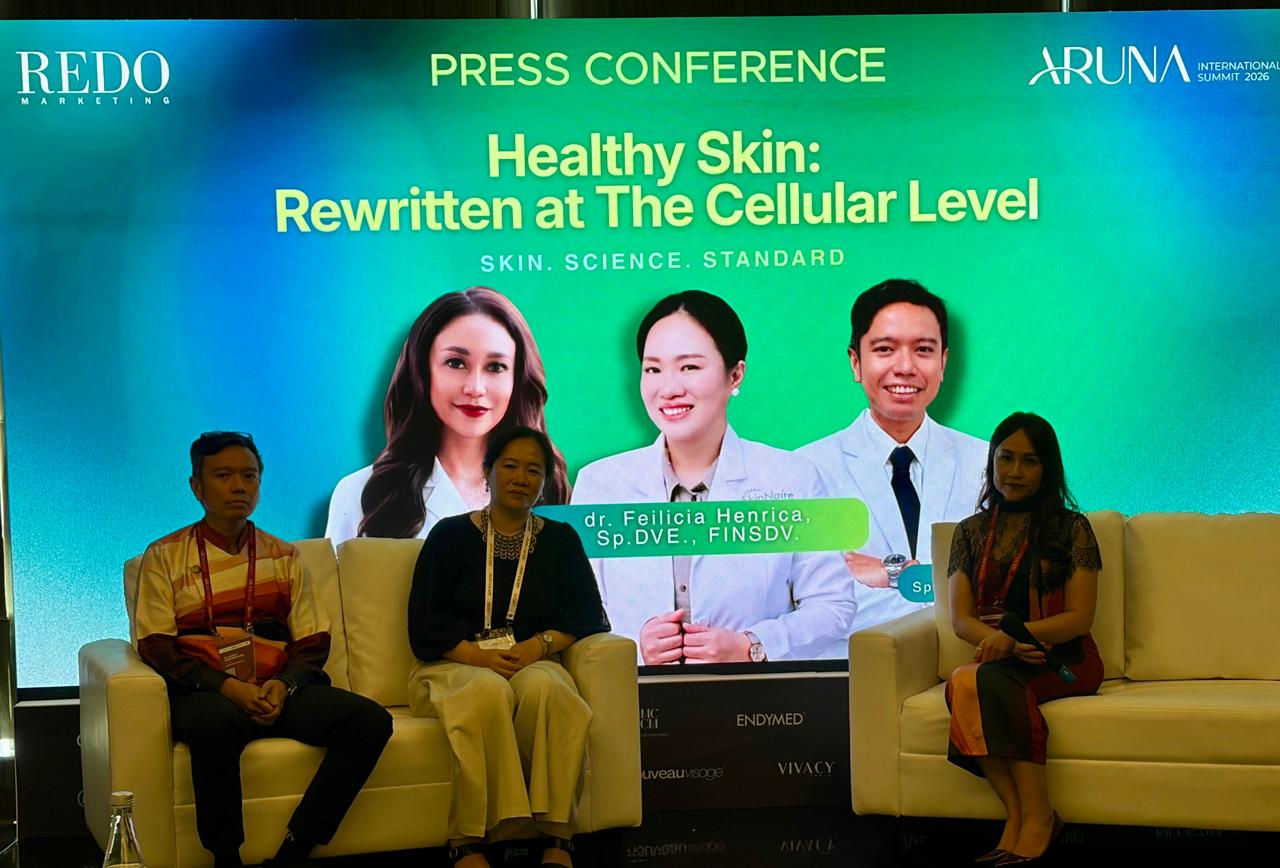
Developments in skin care technology are moving towards approaches that focus not only on surface conditions but also on biological processes at the cellular level. One such emerging approach is photobiomodulation (PBM), which involves the use of light energy for specific skin care and aesthetic needs.
This technology was introduced more widely in Indonesia through PT Redo Marketing Indonesia, the Indonesian distributor for Celluma. The introduction coincided with the launch of the Celluma ELITE Series 2 and Celluma NOVA, as well as the formation of the Celluma Indonesia Clinical Advisory Board (CICAB).
The launch took place during the Aruna International Summit 2026 in Jakarta, themed ‘Beyond Borders, Beneath the Skin: Global Aesthetics for Skin of All Colour’.
Photobiomodulation utilises light as part of a treatment approach. Celluma technology was developed from NASA’s photobiostimulation research, which was originally related to the needs of astronauts. As it has evolved, PBM-based technology is now used for several needs, including acne, anti-ageing, hair regrowth, body contouring, and pain management. According to the release, Celluma devices hold FDA Clearance for these five indications as well as the Medical CE Mark.
The development of this technology is supported by approximately 15 years of research and clinical data collection. Celluma also noted that its products are used in nearly 100 countries with over 35,000 devices, having received more than 60 industry awards.
In skin care, the discussion regarding PBM is not merely about visible changes on the surface, but also the mechanism of light energy interaction with cells. Dr Feilicia Henrica, Sp.D.V.E, a member of the Celluma Indonesia Advisory Board, stated that understanding this technology must encompass the processes occurring inside the cell.
“We do not stop at the question of what the device does to the skin. Furthermore, we want to understand what happens inside the cell, how light energy interacts with cellular chromophores,” Feilicia stated in an official statement. According to her, this discussion relates to mitochondrial signalling, cellular metabolism, inflammation, and tissue repair. Thus, the use of photobiomodulation must be placed within an understanding of biological mechanisms and applications that adhere to professional principles.
Meanwhile, Dr Ruri Diah Pamela noted that the understanding of skin health is shifting from surface conditions to processes occurring at the cellular level. She suggested this shift is also related to the longevity trend. In the context of skin, longevity is not just about efforts to mask signs of ageing, but also about maintaining skin health and function in the long term.
The Medical Director of Senopati Skin Center, Jakarta, Dr M Akbar Wedyadhana, stated that developments in the fields of aesthetics and regenerative medicine are progressing rapidly. He noted that technological advancements must go hand-in-hand with scientific evidence, ethics, and patient safety aspects.
He added that the presence of the CICAB can play a role in providing assessments of protocols that fall outside medical standards or against exaggerated marketing claims.
Vanda Wulandini, National Sales Manager of PT Redo Marketing Indonesia, added that the presence of Celluma in Indonesia is viewed not only from a business perspective but also in relation to the application of medical technology involving parties with scientific expertise.
With the launch of the Celluma ELITE Series 2 and Celluma NOVA, along with the formation of the CICAB, photobiomodulation technology is now being introduced into the skin care and aesthetics ecosystem in Indonesia, with a focus on benefits, indications, and applications appropriate for clinical practice.