
Phone Prices Rise, Time to Change How We Choose Smartphones
The rise in smartphone prices throughout 2026 means consumers need to change how they assess a device. If RAM capacity, the latest chipset and specification figures were previously the main considerations, battery endurance, performance consistency and lifespan are now becoming increasingly decisive.
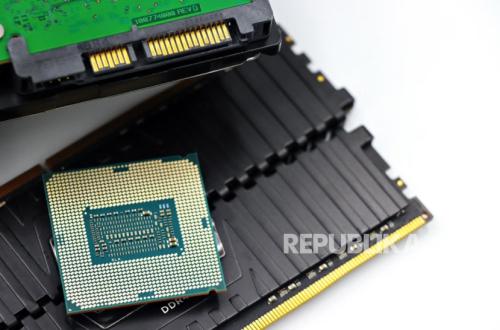
This shift is inseparable from the global memory chip shortage. DRAM and NAND manufacturers are increasingly diverting production capacity to chips for artificial intelligence data centres because they offer far higher profit margins than memory for consumer devices.
As a result, memory supply for smartphones has become tighter while demand remains high. Cost pressures are then passed on to device selling prices as well as specification adjustments.
These conditions mean consumers can no longer judge a smartphone solely by how much RAM it has or how new its chipset is. The more relevant question now is how long a phone can be used comfortably, safely and stably.
Waiting for prices to fall back to 2025 levels is not necessarily a realistic option. Several research institutions estimate that pressure on memory prices may continue for several years to come.
New memory factories are only expected to reach full production capacity in 2027. IDC also projects that memory price pressure may continue at least until 2028, while a number of industry executives warn that the supply imbalance could potentially last longer.
IDC Senior Research Director for Worldwide Consumer Devices, Nabila Popal, said the change demands strategic adjustments from both manufacturers and consumers. “The era of ultra-cheap smartphones is over,” Popal said.
The statement reflects a change in the smartphone industry’s cost structure. Vendors that are able to adapt their products to the new cost structure while maintaining consumer interest at higher price levels are expected to be in a stronger position.
Don’t Get Fixated on RAM Anymore
For consumers, this change means the measure of a “good phone” also needs to be updated. The length of operating system support and security updates is now an important factor because it determines how long a device remains safe and comfortable to use.
Consumers also need to pay attention to how a device performs after one to two years of use, not just its speed when first launched.
Battery endurance is another increasingly important factor. Battery capacity figures in milliampere-hours do not necessarily reflect actual endurance because chipset efficiency, display, software and usage patterns also greatly affect power consumption.
Physical durability and the availability of spare parts are no less important. The more expensive a new device is, the greater the economic value of a smartphone that can be kept longer through repairs and component replacement.
Prices Rise, Specifications Adjust
When component prices soar, smartphone manufacturers essentially have two options: raise selling prices or adjust device configurations. Throughout 2026, both strategies are running in parallel.
IDC data projects the global average selling price of smartphones in 2026 will rise 27.6 percent to 581 US dollars, or around Rp10.3 million. That figure is higher than the initial February 2026 projection of 523 US dollars.
Rising costs have also led some manufacturers to hold back on increasing memory capacity. A number of flagship smartphones in 2026 still use 12 GB of RAM and have not immediately switched to 16 GB.
Source: jawawa.id (https://jawawa.id/newsitem/phone-prices-rise-time-to-change-how-we-choose-smartphones-1788691915)
Originally published by Republika (https://ameera.republika.co.id/berita/tkx371451/harga-ponsel-naik-saatnya-ubah-cara-memilih-smartphone), translated from Indonesian