
Philippines Earthquake Death Toll Rises to 37 as SAR Teams Search Rubble
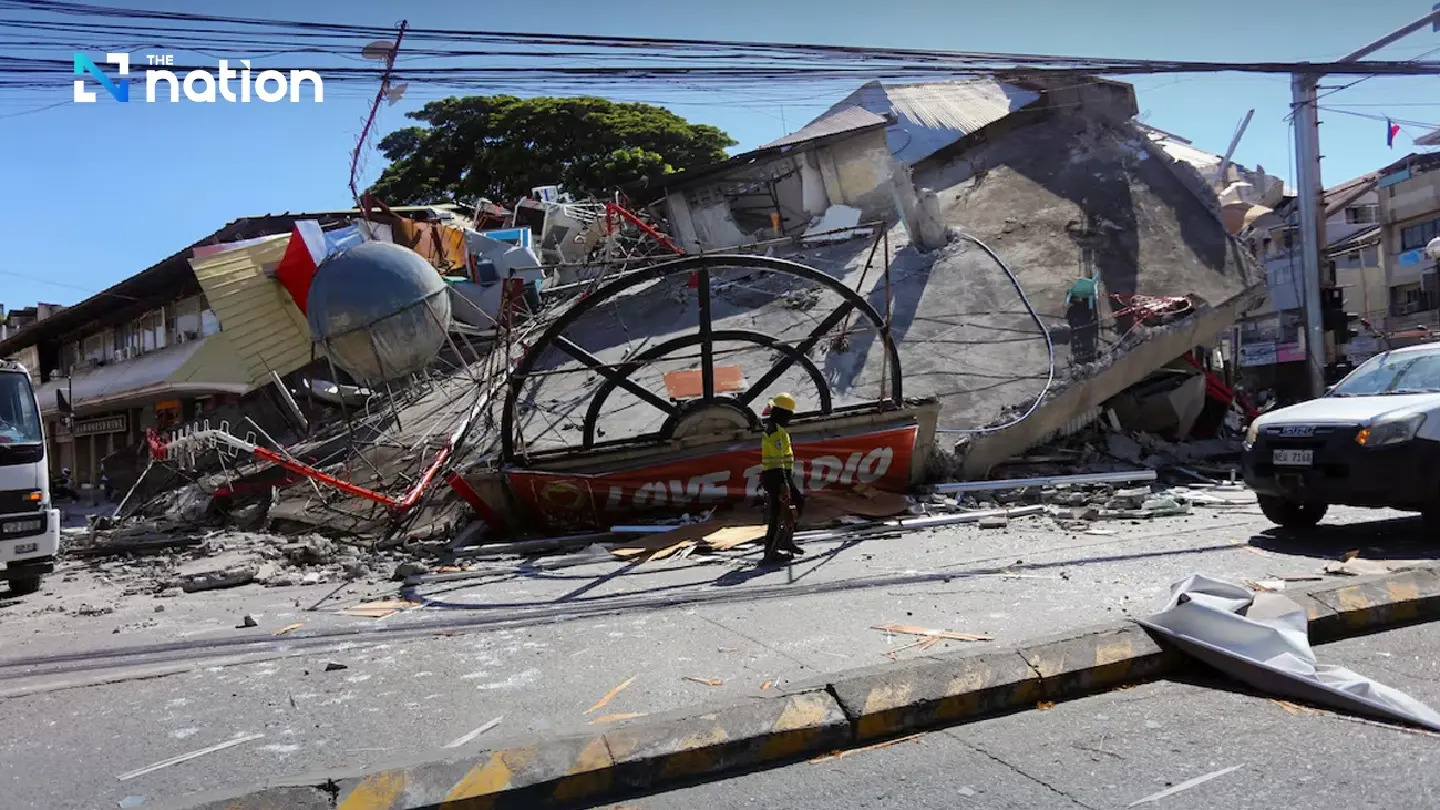
The death toll from the magnitude 7.8 earthquake that struck the southern Philippines on Monday has reached at least 37. Search and rescue teams continued scouring through rubble on Tuesday for victims believed to be trapped beneath collapsed buildings in General Santos City. The quake was centred approximately 20 kilometres off the coast of Sarangani Province and triggered tsunami warnings in several countries, including Indonesia. Strong tremors were felt across various areas of Mindanao Island and as far away as Manado in North Sulawesi. In General Santos, the worst-hit city, rescue teams are working to reach two people still believed to be trapped inside a collapsed commercial building that housed a grocery store and other businesses. Local fire officer Edgar Tanawan said two people were evacuated alive, while one victim was found dead. ‘We have found two survivors and one fatality. However, so far, there have been no signs of life from the two individuals still missing inside the building,’ he stated. The local government has placed General Santos under a state of calamity after widespread damage occurred across the city, which has a population of over 700,000. Several buildings collapsed, while debris and fallen electricity poles littered the streets. More than 400 people have been reported injured, and four remain missing. One family member of a victim, 65-year-old Dioslinda Deluvio, said she is still awaiting news of her son, who is thought to be trapped in the collapsed building. ‘As a mother, it is difficult to accept the reality that my child is still trapped in there. I just hope that today he can be found so that our family can have peace,’ she said. The Philippine government has also closed schools, which had only just reopened after a long holiday break, in order to inspect building safety. Thousands of school buildings have reportedly sustained varying degrees of damage. The Philippine Institute of Volcanology and Seismology recorded at least 23 aftershocks, the strongest reaching magnitude 6.7. The conditions forced some residents to evacuate to relief centres and emergency tents. The Philippines lies on the Pacific Ring of Fire, one of the most seismically active regions in the world, and consequently experiences earthquakes every year.