
Philanthropy Forum Stresses Collaboration to Optimise Zakat Potential
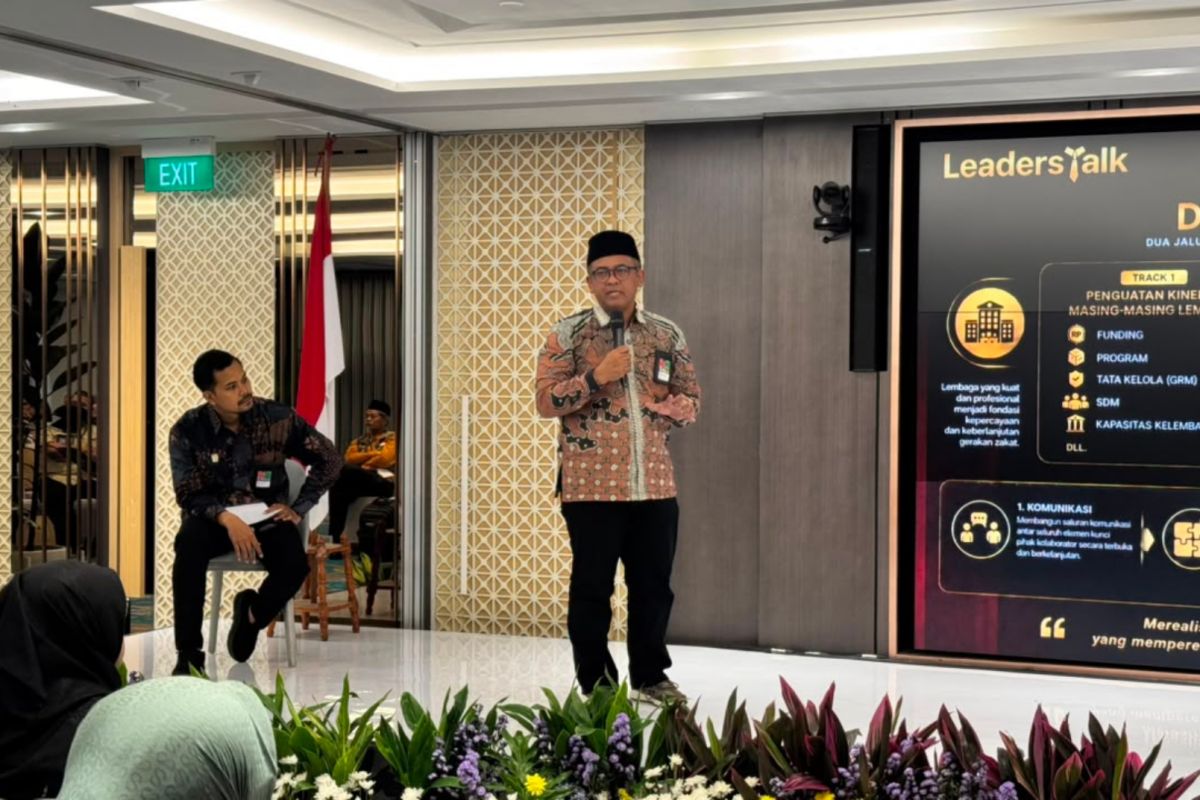
Jakarta - The Islamic philanthropy forum, consisting of the Zakat Forum (FOZ), the Association of Zakat Management Organisations (POROZ), and the National Amil Zakat Agency (BAZNAS), has emphasised the importance of cross-institutional collaboration in optimising the national zakat potential. “Indonesia’s zakat potential reaches approximately Rp340 trillion, yet its realisation remains around Rp44 trillion. Collaboration in human resources, networks, and the integration of muzaki data are key to improving this achievement,” said BAZNAS RI Chairman Sodik Mudjahid in a statement in Jakarta on Friday. Sodik’s remarks were delivered during the Leaders Talk 2026 in Jakarta, which carried the theme “Strengthening National Zakat Collaboration to Realise an Empowered Indonesia”. The forum served as a strategic momentum to unify the direction of the national zakat movement based on collaboration and integration. Through Leaders Talk 2026, BAZNAS, FOZ, and POROZ affirmed a joint commitment to strengthen collaboration, data integration, and programme synergy in promoting zakat as a strategic instrument for advancing the welfare of the community in Indonesia. During the forum, each institution presented its views on efforts to strengthen the optimisation of zakat potential. FOZ Chairman Wildhan Dewayana introduced a dual track activities approach to strengthening national zakat, namely enhancing internal institutional performance and optimising collective performance within a collaborative space. According to him, this approach is supported by four main pillars: communication, harmonisation, integration, and ecosystem connectivity. The issue of data integration also became a major focus. The forum resulted in a joint commitment among FOZ members to build a national zakat data dashboard platform. The signing of a memorandum of agreement regarding the data platform marked a concrete step towards more integrated zakat management. FOZ Head of Innovation and Literacy Eko Muliansyah stressed that the digital transformation of zakat is no longer focused solely on building applications, but rather on building a shared data ecosystem. “What is needed now is not a perfect system, but the willingness to start. Integrated data will transform piles of information into a leap in impact,” he said.