
PHEVs Offer Electrification Flexibility, with the DFSK E5 Plus Among the Options
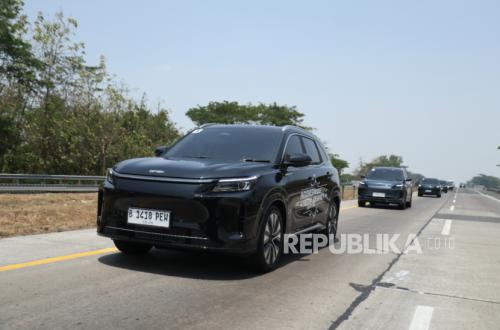
The shift towards electrified vehicles depends not only on a car’s ability to run on electric power, but also on how well it suits people’s mobility patterns. With demand for both daily and long-distance travel, plug-in hybrid electric vehicle (PHEV) technology combines an electric motor and a petrol engine, allowing drivers to use electric power without relying entirely on charging infrastructure.
Data from the Association of Indonesian Automotive Industries (Gaikindo) show that distribution of electrified vehicles—including battery electric vehicles (BEVs), hybrids (HEVs) and PHEVs—reached 175,144 units in 2025, up from 103,228 in 2024. The combined share of the three categories rose from 11.9 per cent to around 21.8 per cent of total new-car distribution. The figures reflect the growing range of electrification technologies available in the domestic automotive market.
Among these categories, PHEV distribution rose from 136 units in 2024 to 5,270 in 2025. Despite the significant growth, the total remains relatively small compared with the overall new-car market. The development also highlights the importance of consumers understanding PHEV characteristics and how they differ from other electrified technologies.
BEVs rely entirely on electric motors, with energy stored in batteries and replenished from an external electricity source. HEVs, meanwhile, combine an electric motor with a conventional engine, but their batteries are charged by the vehicle’s own system rather than externally.
PHEVs combine the two power sources, as HEVs do, but have batteries that can also be charged using electricity from outside the vehicle. This allows them to travel further on electric power, depending on battery capacity and driving conditions.
Ichsan Aria Putra, Product Expert at PT Sokonindo Automobile, said the ability to charge externally was one of the key features distinguishing PHEVs from conventional hybrids. With the battery charged, users can rely on electric power for everyday journeys.
When a journey exceeds the electric range or the battery’s charge runs low—typically on long-distance trips out of town—the petrol engine remains available to power the vehicle.