
PHEVs Assessed as Offering Solution to Electric Car Limitations
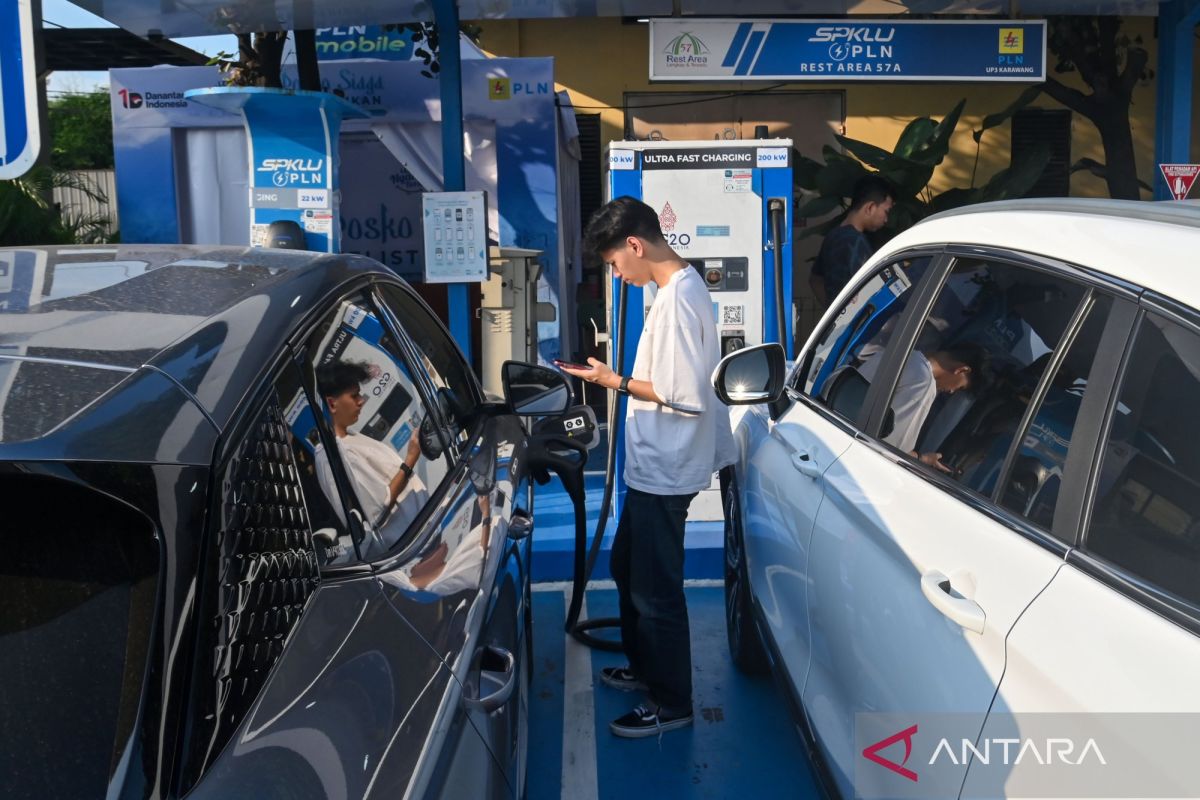
Plug-in Hybrid Electric Vehicles (PHEVs) are assessed as offering a solution to overcome the limitations in the use of electric cars. PHEVs deliver an electric driving experience for daily activities whilst providing peace of mind for long-distance travel without the shadow of range anxiety, said Doni Putra Okten, Head of Sales and Marketing at PT Sokonindo Automobile. The advantages of PHEVs compared to pure electric cars were presented in a discussion titled ‘The Next Drive: Why PHEV?’ held on Tuesday (4/8) at the Gaikindo Indonesia International Auto Show (GIIAS) 2026 in Tangerang, Banten. The event, attended by automotive industry representatives and electric vehicle safety observers, explained that PHEVs combine a battery-powered electric motor with a petrol engine. PHEVs allow drivers to use the electric motor for shorter distances and switch to the combustion engine for long journeys. The use of such vehicles can reduce concerns regarding the limited range of electrified vehicles. To date, there remain worries among electrified vehicle users about the risk of battery fires, short battery lifespan, and high battery maintenance costs. In fact, modern electrified vehicle batteries have undergone safety testing that includes impact resistance tests, extreme temperature endurance tests, and Battery Management System (BMS) tests. Product expert at PT Sokonindo Automobile, Ichsan Aria Putra, stated that most consumer concerns about electrified vehicles have been addressed by the implementation of battery safety standards and electrified vehicle usage procedures. Every DFSK E5 Plus battery has undergone comprehensive safety and endurance testing before being used by consumers, he said during the discussion held by PT Sokonindo Automobile (DFSK) together with EVSafe Indonesia. Our BMS is also designed to maintain long-term battery health by optimising the charging process, usage, and protection against various operational conditions, he added. PHEVs have a strategic role as a bridge to accelerate the adoption of electric vehicles in Indonesia. However, the success of this transition also depends on education that can build public trust in the technology, he said. Furthermore, he highlighted the importance of the availability of charging infrastructure and vehicle after-sales services in the transition process towards the use of electrified vehicles. During the transition period, when the availability of supporting infrastructure for charging electrified vehicles is still limited, PHEVs can be an alternative for consumers who wish to switch to more environmentally friendly vehicles.