
PHEV or Turbo? Wuling Eksion vs Mitsubishi Destinator
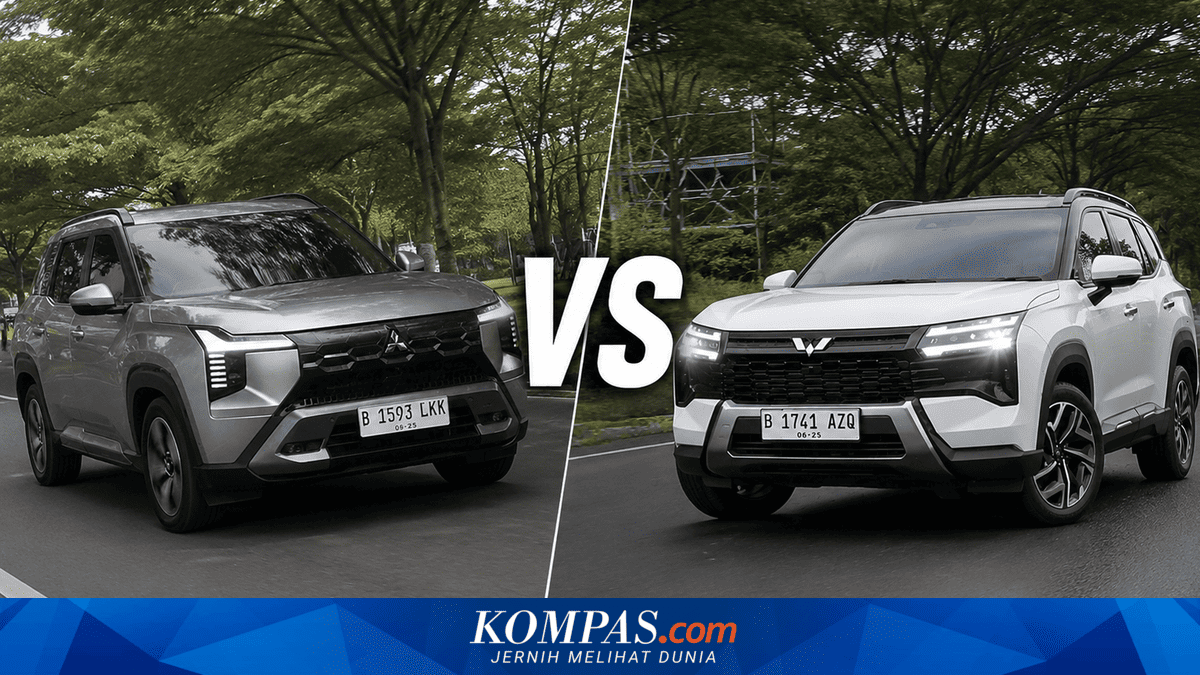
JAKARTA - The arrival of the Wuling Eksion is not just a new option for those seeking an electrified 7-seater SUV, but also adds to the competitive landscape of the domestic automotive market. Besides the pure electric (EV) variant, Wuling also offers the plug-in hybrid (PHEV) version of the Eksion, which is poised to challenge rivals like the Mitsubishi Destinator.
Although differing in technology—the Destinator uses a conventional 1.5-litre turbocharged engine while the Eksion PHEV combines a petrol engine with electric power—their target market remains the same: family-oriented 7-seater SUVs.
While both are 7-seater SUVs, the Eksion is longer and wider than the Destinator. The third-row seating offers greater comfort for children on long journeys.
Turning to the powertrain, the Wuling Eksion’s 1.5-litre naturally aspirated engine delivers 105 hp and 130 Nm of torque, paired with an electric motor generating 195 hp and 230 Nm. This combined system, routed through a Dedicated Hybrid Transmission (DHT), provides responsive performance at low revs.
The Mitsubishi Destinator, with its turbocharged 1.5-litre 4B40 engine, produces 163 PS (approximately 160 hp) and 250 Nm of torque between 2,500 and 4,000 rpm, ensuring strong low-end responsiveness.
However, the Eksion’s PHEV technology offers better fuel efficiency. Wuling claims a combined range of over 1,000 km, with an all-electric range of 125 km.
Pricing-wise, the Wuling Eksion PHEV is currently available from Rp 449 million to Rp 499 million as an early bird offer, while the Destinator ranges from Rp 397 million to Rp 522.5 million for the top-tier 55th-anniversary edition.