
PHE ONWJ Records 1,321 BOPD Oil Production in West Java Waters After Cutting Drilling Costs
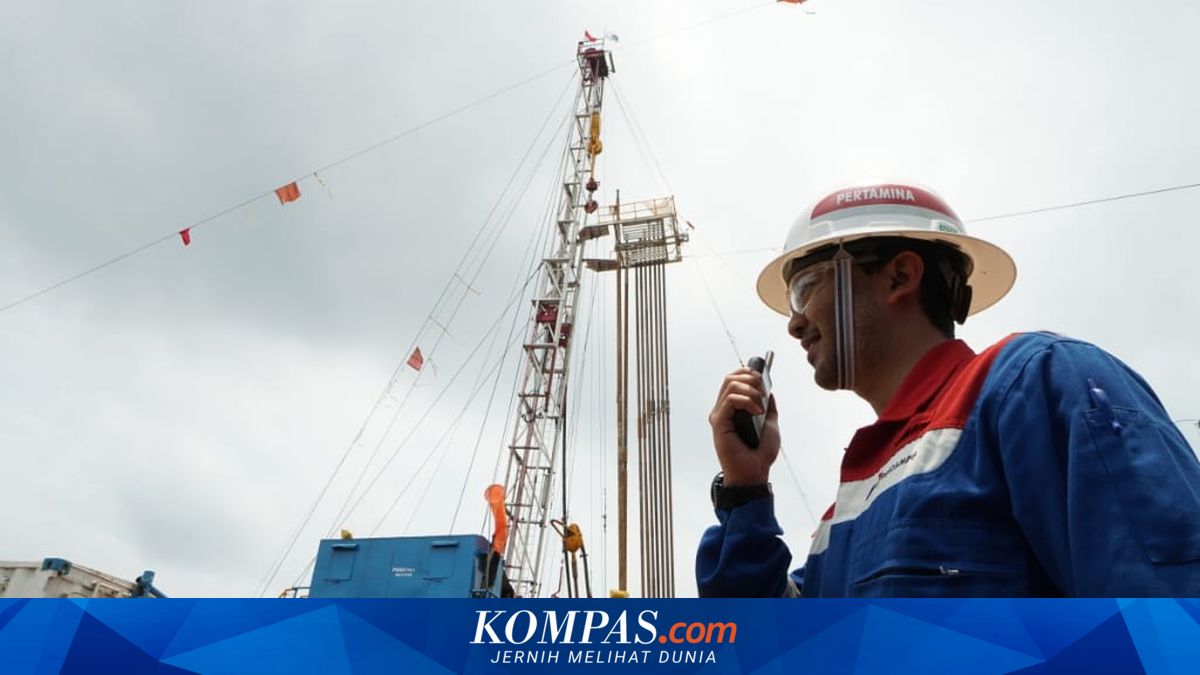
PT Pertamina Hulu Energi Offshore North West Java (PHE ONWJ) has recorded an initial production of 1,321 barrels of oil per day (BOPD) and 2 million standard cubic feet of gas per day (MMSCFD) from the LLA-6 development well at the LLA Platform, located in the northern waters of West Java. The company stated that hydrocarbons from the well flow naturally with a Basic Sediment and Water (BSW) level of zero per cent, meaning the produced oil is pure and contains no water content.
“The success of the LLA-6 well was achieved by applying lessons learned from the LLE-5ST well drilled last year. Given that the target layers are identical, we refined our formulation and strategy. The results proved that we could achieve excellent production with much more mature execution,” said Adang in an official statement on Monday (18/05/2026).
Adang explained that the LLA-6 well began drilling on 24 March 2026 using the directional drilling method with the PVD-II Rig. Drilling reached a final depth of 5,407 feet measured depth (ftMD), equivalent to 3,561 feet true vertical depth (ftTVD). “The entire sequence, from the drilling phase to the production flow test on 2 May 2026, was completed rapidly in just 33 days,” Adang added.
He noted that the accelerated timeline was supported by smooth offshore operations, including the mobilisation of equipment and the unloading of supporting materials from ships to the rig facilities, which proceeded without significant weather or logistical disruptions. LLA-6 represents the first drilling well on the LLA Platform after more than 24 years of inactivity. PHE ONWJ stated that the drilling was successfully completed through detailed management of losses, the application of geomechanical studies, and an integrated drilling programme. The LLA-6 well penetrated the LL-30 layer approximately 60 feet more updip than the LLE-5ST well. “The Subsurface team prepared the drilling equipment, starting from pressure gradient collection and comprehensive analysis, which proved that the LL-30 layer still holds potential and has been proven to produce oil,” concluded Adang.