
PHE Breaks World Record: Adds Largest Exploration Area, Pursues New Reserves
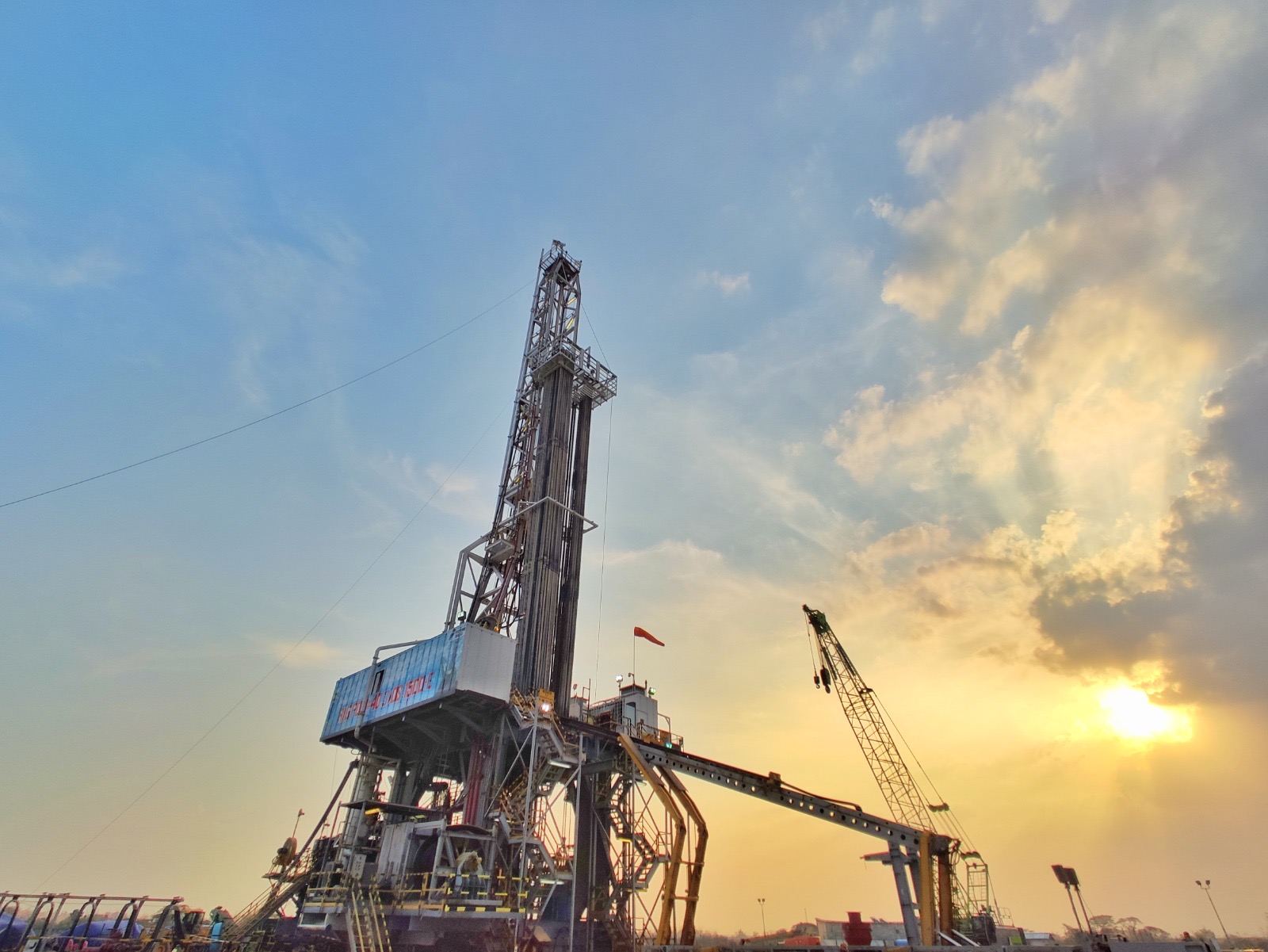
Jakarta – PT Pertamina Hulu Energi (PHE) is becoming increasingly aggressive in expanding its “fields of the future” to safeguard national energy security.
Amid rising energy demand and the natural decline of ageing fields, PHE has chosen to press ahead with enlarging its exploration portfolio through the acquisition of new working areas and collaboration with world-class oil and gas companies.
The move is not merely a business strategy but a long-term investment to ensure Indonesia has a sustainable supply of oil and gas. Over the past five years, PHE has been actively opening opportunities for new reserve discoveries through Joint Studies (JS) and the expansion of exploration areas, both at home and abroad.
Data from the Directorate General of Oil and Gas shows that PHE is the company with the highest number of Joint Studies in Indonesia. As of July 2026, the company held 12 Joint Studies: ten still ongoing, one completed, and one awaiting government approval.
These collaborations involve a number of global energy giants such as Petronas, BP, ENI, KUFPEC, SK Earthon, PetroChina, POSCO, TPAO and Woodside. Cooperation has also been extended to Malaysia through a Technical Evaluation Agreement (TEA) scheme with Management Petroleum Malaysia (MPM).
This international synergy serves as a platform for sharing technology, expertise and experience to identify new oil and gas basins with the potential to become sources of Indonesia’s future energy reserves. The trust placed in PHE by these global companies is also proof that it is increasingly recognised as a National Oil Company (NOC) with international competitiveness.
Beyond strengthening collaboration, PHE has also succeeded in adding nine new exploration working areas between 2023 and 2026. Eight are in Indonesia, namely Bunga, Peri Mahakam, East Natuna, Melati, Binaiya, Lavender, Bobara and North Ketapang, plus one block in Malaysia, SK-510.
Across these new working areas, PHE has prepared a range of exploration programmes, from geological and geophysical studies and seismic data acquisition to exploratory drilling. All of these activities are directed at accelerating the discovery of new oil and gas reserves to underpin national production in the years ahead.
The Director of Exploration at PT Pertamina Hulu Energi, Asep Samsul Arifin, affirmed that exploration is a strategic investment that will determine the future of Indonesia’s upstream oil and gas industry.
“Exploration is a long-term investment for the sustainability of the upstream oil and gas industry. Through the expansion of working areas, stronger collaboration with global partners, and the application of increasingly advanced exploration technology, we continue to build a quality portfolio to improve the chances of discovering new oil and gas resources. This step is part of PHE’s commitment to supporting national energy security and self-reliance,” said Asep.
This aggressive performance has also gained worldwide recognition. Based on S&P Global 2026 data for the 2021–2025 period, PHE is recorded as the National Oil Company with the largest addition of new exploration area in the world, reaching more than 90,000 square kilometres.
The scale of the expansion surpasses a number of renowned national oil and gas companies such as Petronas, PTTEP, ADNOC and Sinopec. This achievement positions PHE as one of the main drivers of the search for new oil and gas reserves globally.
The accomplishment also reinforces PHE’s contribution to President Prabowo Subianto’s Asta Cita agenda, particularly in achieving energy self-sufficiency through increased exploration, new reserve discoveries and the strengthening of national production capacity.
Going forward, PHE is committed to continuing to expand its portfolio of exploration and production working areas in Indonesia and abroad. By relying on technological innovation, global collaboration, and the principles of sustainability and good governance, the company is optimistic it can become the main driver towards Indonesian energy sovereignty.