
PGN and Unilever Join Forces to Promote Indonesia’s Biomethane Ecosystem at COP31
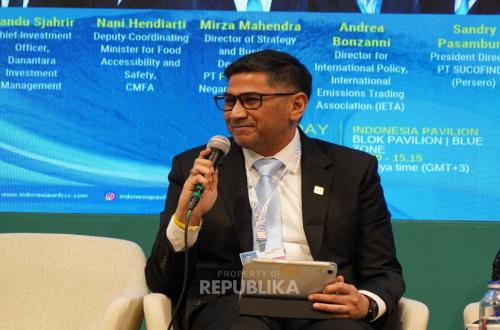
ANTALYA – PT Perusahaan Gas Negara (Persero) Tbk (PGN) and Unilever signed a joint statement at the 31st United Nations Climate Change Conference (COP31 UNFCCC) in Antalya, Türkiye. The statement reflects the companies’ shared vision of strengthening dialogue and exploring opportunities to develop Indonesia’s biomethane ecosystem, as part of efforts to support the energy transition, reduce methane emissions and decarbonise national industry.
Biomethane produced by processing organic waste has the potential to support industrial decarbonisation, strengthen energy security and contribute to reducing national methane emissions. Developing this potential requires strict environmental governance standards and measurable reductions in greenhouse gas emissions.
Strong collaboration across the value chain is needed to realise this potential. Feedstock owners, project developers, infrastructure operators, the government, industry associations and prospective users all have important roles in building a reliable and sustainable biomethane ecosystem. This collaboration includes developing supply and infrastructure, improving traceability, strengthening market confidence and creating conditions that support long-term investment.
PGN Director of Strategy and Business Development Mirza Mahendra said cross-sector collaboration was key to unlocking Indonesia’s biomethane potential.
“Indonesia has significant potential to develop biomethane as part of the national energy transition. With its established natural gas infrastructure, market access and experience in gas distribution, PGN is strategically positioned to connect biomethane development opportunities with industrial customers’ demand for lower-carbon energy alternatives,” Mirza said.
Mirza added that PGN was committed to establishing a biomethane supply chain in Indonesia that was sustainable both technically and commercially, accelerating the use of renewable gas solutions and supporting environmental conservation in line with national decarbonisation targets and sustainable growth.
Unilever, meanwhile, believes credible market signals can improve the economic viability of projects and give investors and developers greater confidence to take biomethane projects from concept to implementation.
Unilever Chief Procurement Officer Shailendra Sadera said: “Indonesia has a real opportunity to turn organic waste into renewable energy, while reducing methane emissions and helping industry decarbonise. But biomethane can only grow if we build the supporting ecosystem, from supply and infrastructure to industrial demand and the right enabling conditions. If implemented well, biomethane can complement electrification and energy efficiency, while delivering measurable emissions reductions and supporting the circular economy. The key is to build this market with strong sustainability principles and integrity from the outset.”
Both companies welcomed continued discussions with government institutions, industry associations, project developers, investors and other stakeholders to explore practical steps to expand biomethane development, including project readiness, infrastructure integration, market development, traceability and supportive regulation.
PGN and Unilever believe an inclusive and credible biomethane ecosystem could strengthen Indonesia’s renewable gas sector while creating opportunities for domestic investment, measurable emissions reductions and long-term economic value.
Source: jawawa.id (https://jawawa.id/newsitem/pgn-and-unilever-join-forces-to-promote-indonesias-biomethane-ecosystem-at-cop31-1794477177)
Originally published by Republika (https://esgnow.republika.co.id/berita/tods1l522/pgn-dan-unilever-berkolaborasi-mendorong-ekosistem-biomethane-indonesia-di-cop31-unfccc), translated from Indonesian