
PGN and Cilegon Government Build Plastic Waste Recycling Ecosystem
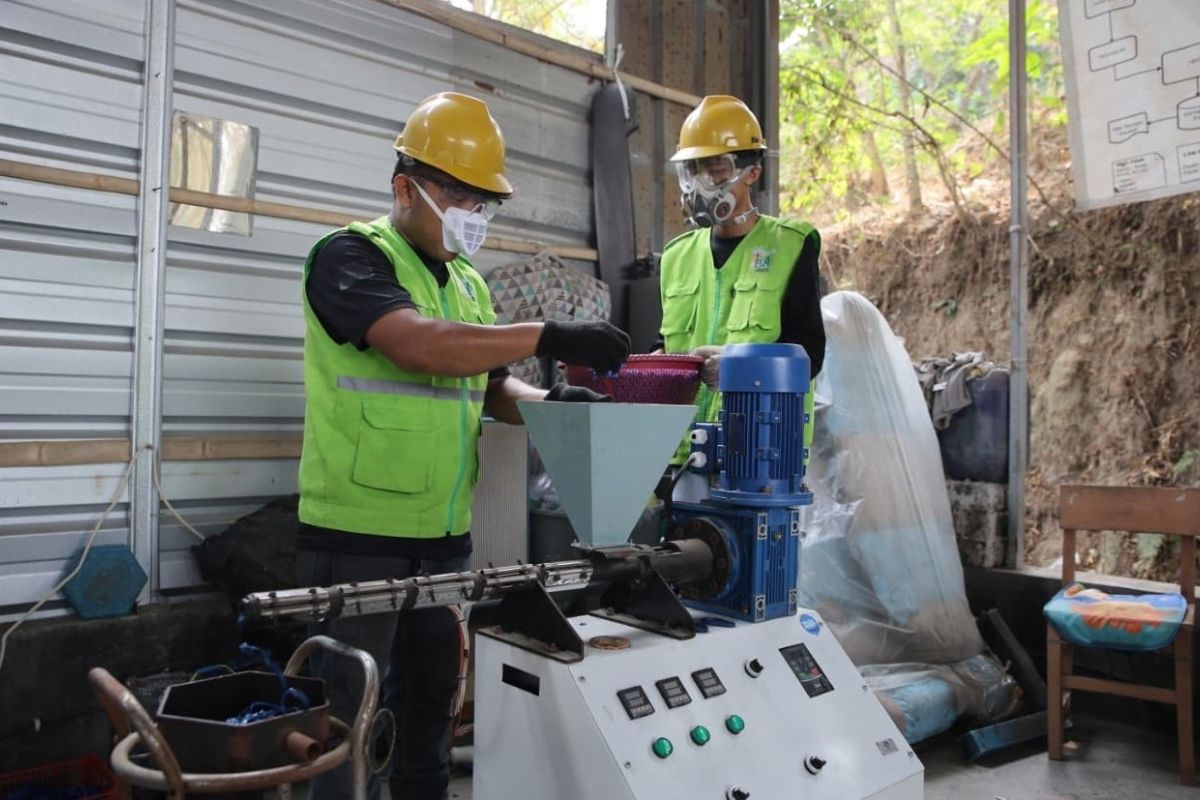
PT Perusahaan Gas Negara (Persero) Tbk (PGN), together with the Cilegon Regency Government, Banten, and local communities, is building a plastic waste recycling ecosystem to provide added value for the community. Through the Rumah Hijau Nusantara programme, the initiative aims not only to increase waste processing capacity, particularly for plastic waste, but also to prepare markets for recycled products to create sustainable economic benefits. PGN’s Division Head of CSR, Krisdyan Widagdo Adhi, stated that the programme is a continuation of various PGN initiatives in building a circular economy-based waste management ecosystem. “Through this programme, we want to show that waste is no longer seen as rubbish, but as a resource that has economic value if managed properly. This initiative is also part of the company’s commitment to promoting community-based circular economy,” he said. The programme is implemented in collaboration with the Cilegon City Government, Kertabumi Recycling Centre, National Geographic Indonesia, and Bank Sampah Al-Bustaniyah Cilegon to strengthen the waste management value chain, from processing to product marketing. As a form of support, the company handed over a shredder, extruder, cold press, scroll and table saw, and oven to Bank Sampah Al-Bustaniyah, which is expected to increase production capacity, product quality, and expand circular economy business opportunities. In the past two months, the Rumah Hijau Nusantara programme has successfully processed 871 kilogrammes of plastic waste into various value-added products, such as furniture, tissue boxes, key chains, prayer beads, and other recycled products. “The success of waste management is determined by the creation of an ecosystem that can maintain the sustainability of community economic activities,” said Krisdyan. He expressed hope that the programme would not stop at providing processing facilities but would create an ecosystem with a multiplier effect to improve community welfare. “It is hoped that the processed products from Bank Sampah Al-Bustaniyah can be utilised, including by PGN, so that an economic cycle is created that provides real benefits to the community,” he said. Going forward, PGN through the Rumah Hijau Nusantara programme will also act as an offtaker connector for some of the processed products from Bank Sampah Al-Bustaniyah through cooperation programmes for MSME mentoring and wider market commercialisation. Meanwhile, Head of the Cilegon City Environmental Agency, Sabri Malyudin, stated that the challenge of waste management lies not only in providing facilities but also in building a culture of environmental awareness. “In waste management, the development of a circular economy must be accompanied by strengthening downstream processes so that processed waste products have a sustainable market,” he said. He noted that going forward, the downstream aspect must be strengthened, therefore processed waste products must have a market to provide added value for the community. He sees opportunities for collaboration with the Cooperatives Agency to expand product marketing, including through various exhibitions and regional activities. Sabri hopes the Rumah Hijau Nusantara programme will continue to be developed to provide broader benefits for the people of Cilegon City.