
PGE: Ulubelu and Lahendong geothermal development strengthens energy security
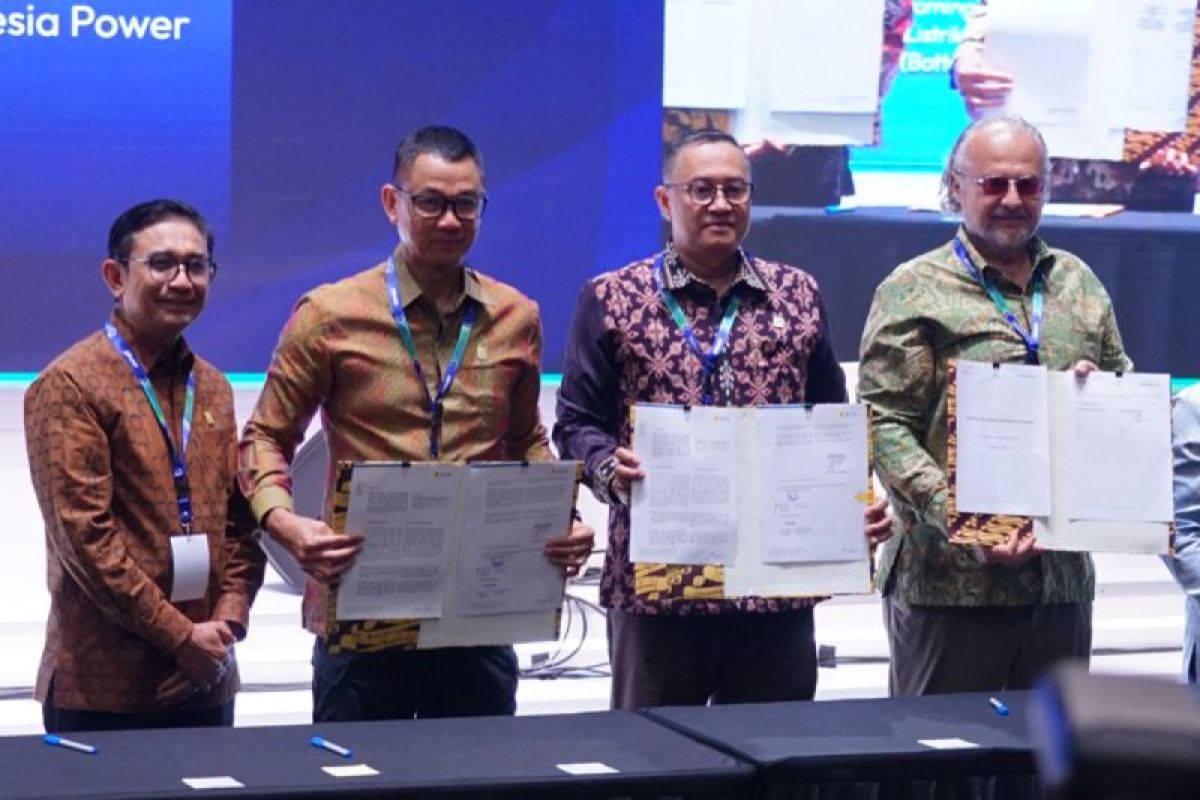
PT Pertamina Geothermal Energy Tbk (PGE) has stated that the development of the Ulubelu Bottoming Unit (BU) and Lahendong BU geothermal power plants will accelerate the energy transition, strengthen energy security, and create long-term value for the community.
PGE President Director Ahmad Yani welcomed the signing of a Letter of Intent (LoI) between PT PLN (Persero) and the consortium of PGE and PT PLN Indonesia Power (PLN IP) for the development of the Ulubelu BU and Lahendong BU plants, as part of efforts to optimise the potential of existing geothermal power facilities.
“We welcome the signing of this LoI with great optimism. The Ulubelu and Lahendong plants have long played an important role in supplying electricity in Lampung and North Sulawesi,” said Ahmad Yani in a statement in Jakarta on Friday.
For PGE, Ahmad Yani said this achievement marks a new milestone in the development of national geothermal energy, while strengthening PGE’s steps towards becoming a world-leading geothermal producer.
The Ulubelu BU and Lahendong BU projects, he said, are power plant developments that process residual heat from existing geothermal operations to generate additional electricity through binary (bottoming cycle) technology.
This development is in line with one of PGE’s growth strategies, namely the optimisation of existing assets.
“PGE is confident that the additional units we are developing together with PLN IP will provide clean and reliable electricity supply to more households, which will be able to drive sustainable economic growth for the community. This is part of our commitment to providing energy that empowers communities,” he said.
Previously, the PGE and PLN IP consortium had agreed on electricity tariffs with PLN as the offtaker for the Ulubelu BU plant in December 2025, and the Lahendong BU plant in April 2026.
The signing of the LoI is a further step towards the development phase of the two projects. The next steps include the establishment of a joint venture, the preparation of a Power Purchase Agreement (PPA), and the Engineering, Procurement, Construction, and Commissioning (EPCC) process.
Both plants are targeted to reach their Commercial Operation Date (COD) in 2028.