
PGE Geothermal Energy Cuts Fertiliser Drying Time from 14 Days to 12 Hours
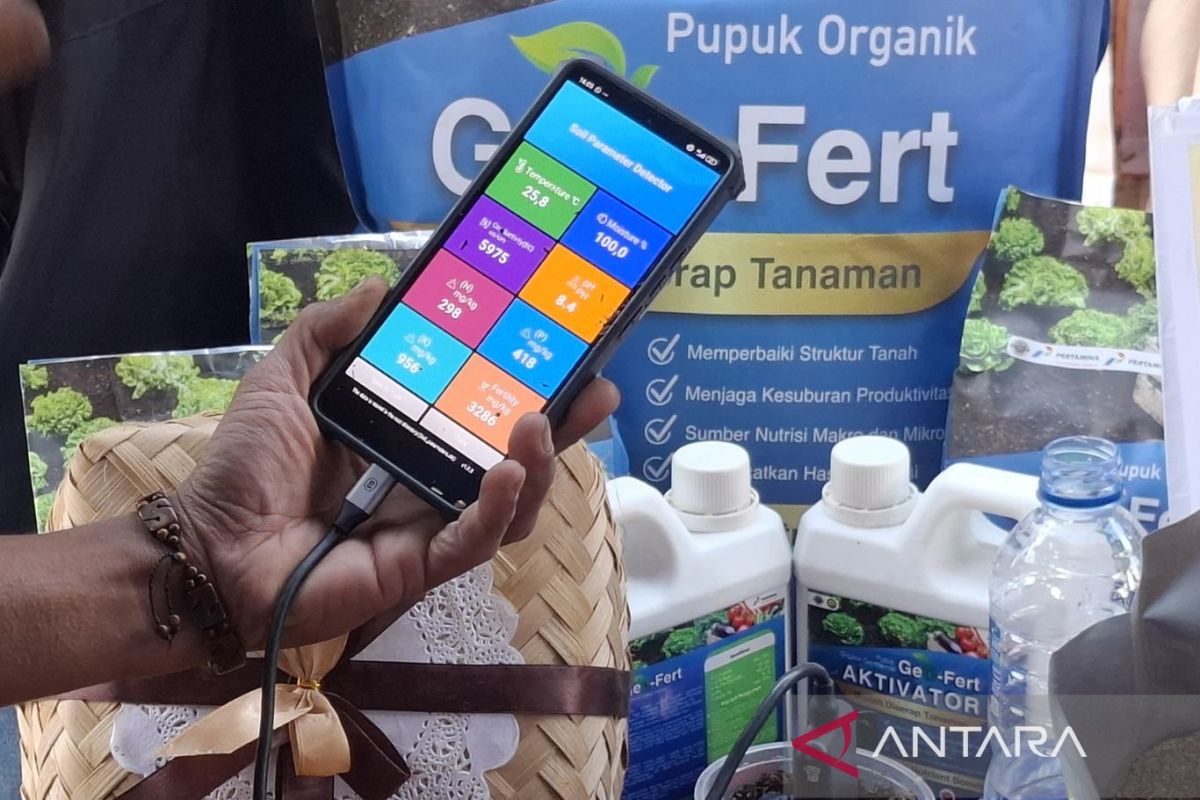
Bandung (ANTARA) – PT Pertamina Geothermal Energy Tbk (PGE), through its Kamojang Area, is harnessing geothermal energy to cut the drying time for organic fertiliser from 14 days to 12 hours. The innovation, called Geofert, is part of a community empowerment programme.
PGE Kamojang public relations representative Erwandi said in Kamojang, Bandung Regency, West Java, on Tuesday that the drying technology uses a device called Dry Cube, which harnesses geothermal heat.
“Previously, when we used sunlight, it could take 14 days. With geothermal heat, using what is called Dry Cube, it takes only 12 hours,” Erwandi said.
The innovation is part of the Kanyaah community empowerment programme, which develops direct uses of geothermal energy for economic activities among local residents.
Through the Geofert (Geothermal Fertilizer) programme, household and agricultural organic waste is processed into fertiliser that local farmers can use. The processed fertiliser is then used in the Geofarm ecosystem for plant nurseries and cultivation, while the harvest can be processed through the Geofood ecosystem.
Hendro, a young farmer supported by PGE, said dried Geofert fertiliser can be stored for up to a year.
In addition to fertiliser processing, PGE Kamojang uses geothermal heat to warm water in fish-farming ponds through its Geofishery programme.
The technology is being used in the Kamojang area, which lies at an altitude of around 1,500 metres above sea level. Erwandi said fish raised in ponds warmed with geothermal heat grow heavier than those in unheated ponds.
“Although the fish in ponds A and B had the same weight at the start, after several months there was a difference in weight. The fish were 85 to 90 per cent heavier,” he said.
In an earlier publication about the Kanyaah programme in April 2026, PGE reported fish weights of 200 grams and 330 grams per fish, a difference of around 65 per cent, alongside a harvest cycle shortened by up to 25 per cent.
Geothermal energy is also used to dry various food products, including sweet potatoes, cassava, potatoes and coffee.
Erwandi explained that drying uses a heat-transfer system through pipes, so food and fish feed do not come into direct contact with geothermal fluid.
“It works like an oven: the geothermal heat is passed through tubing inside a chamber. None of the products come into direct contact with the geothermal heat,” he said.
PGE Operations Director Andi Joko Nugroho said the development of direct geothermal applications in Kamojang forms part of a community empowerment programme aimed at strengthening the economic self-reliance of local residents.
The Kanyaah programme also contributes to PGE Kamojang’s environmental record: the area had received the Gold award under the Company Performance Rating Programme in Environmental Management (PROPER) 15 consecutive times by 2026.
Source: jawawa.id (https://jawawa.id/newsitem/pge-geothermal-energy-cuts-fertiliser-drying-time-from-14-days-to-12-hours-1792518745)
Originally published by Antara (Indonesian) (https://www.antaranews.com/berita/5800729/panas-bumi-pge-pangkas-pengeringan-pupuk-dari-14-hari-jadi-12-jam), translated from Indonesian