
Pezeshkian Dismisses Resignation Rumours Amid US-Iran Tensions
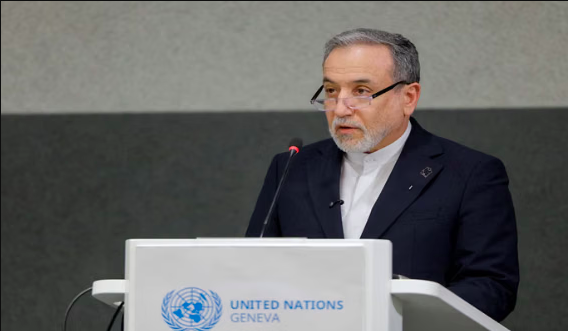
Iranian President Masoud Pezeshkian on Tuesday (4/8) dismissed rumours that he was resigning from his post amid an escalation of military conflict with the United States.
“If I were going to step down, I would certainly announce it openly. I will not resign, and I will continue the struggle,” Pezeshkian said in a speech broadcast by the IRNA news agency.
The statement was made to counter reports carried by Iranian opposition media claiming that Pezeshkian had repeatedly sought to submit his resignation to Iran’s Supreme Leader, Mojtaba Khamenei.
He also denied any rift with Khamenei and the Iranian armed forces, asserting that they were working together in full harmony. “Everyone knows that if there were a dispute, the armed forces would certainly stand on Khamenei’s side,” Pezeshkian said.
Iran has been in a state of war with the United States since the US and Israel launched joint attacks on Iran in February. Iran responded with missile and drone strikes against Gulf states hosting US military assets.
The US and Iran then agreed to a ceasefire in April, followed by the signing of a peace memorandum brokered through Pakistani mediation in June, intended to halt the military conflict and achieve a peace agreement.
However, the agreement collapsed last month after the US and Iran exchanged attacks for nearly two weeks. US President Donald Trump subsequently abruptly halted air strikes amid reports of talks to resolve the conflict.
Pezeshkian also formally conveyed his country’s readiness to end the conflict and tensions gripping the Middle East region. He called for a diplomatic path to de-escalate tensions, whilst stressing that Iran would not accept ultimatums in defending its national interests. He set out three conditions for ending the war: recognition of Iran’s legitimate rights, payment of reparations, and international guarantees.
Meanwhile, the Trump administration has stated that preventing Iran from acquiring nuclear weapons is a primary objective of its foreign policy.