
Petrochemical Industry's Strategy to Counter Pressures in the Strait of Hormuz, and Its Results
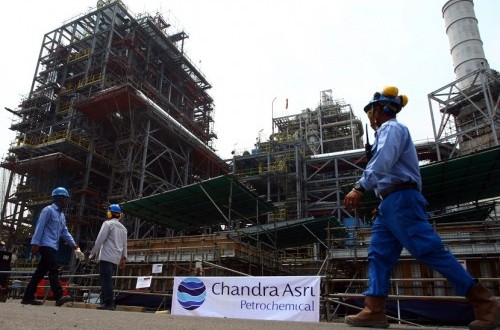
Diversification of raw materials is considered key to addressing geopolitical disruptions in the Strait of Hormuz. PT Chandra Asri Group is leveraging a strategic partnership with Glencore, one of the world’s leading global commodity traders and diversified natural resources producers, to diversify its feedstock. While competitors are often limited by traditional supply routes, the group is actively seeking and testing crude oil from Latin America, North America, West Africa, and Southeast Asia. “Geopolitical disruptions, particularly the risk of escalation in the Middle East impacting the Strait of Hormuz, have historically created anxiety in the supply chain. However, our ability to expand the types of crude oil and our global procurement capabilities allow the company to bypass conventional barriers to keep operations running smoothly regardless of regional volatility,” stated Chief Financial Officer of Chandra Asri Group, Andre Khor, in a written statement. Khor claims that this capability was tested in February 2026, when the group successfully completed technical trials that increased the production capacity of the Butene-1 and MTBE plants in Cilegon by 25%. By processing this competitive crude oil and intermediate products, the group maintained high utilisation rates and superior product yields, even amidst challenging global petrochemical conditions. Financial Performance The strategy proved effective when Chandra Asri announced its Q1 2026 performance with a record quarterly EBITDA of US$421 million and net profit of US$205 million. These achievements represent surges of 1,813.6% and 954.2% respectively compared to Q1 2025. This growth was driven by the integration of the energy segment, which now contributes the largest share at 60% of total revenue. This accomplishment is seen as the result of disciplined transformation through the successful integration of newly acquired energy assets in Singapore.