
Pertamina Warns Illegal LPG Refilling Poses Life-Threatening Risks After Police Bust
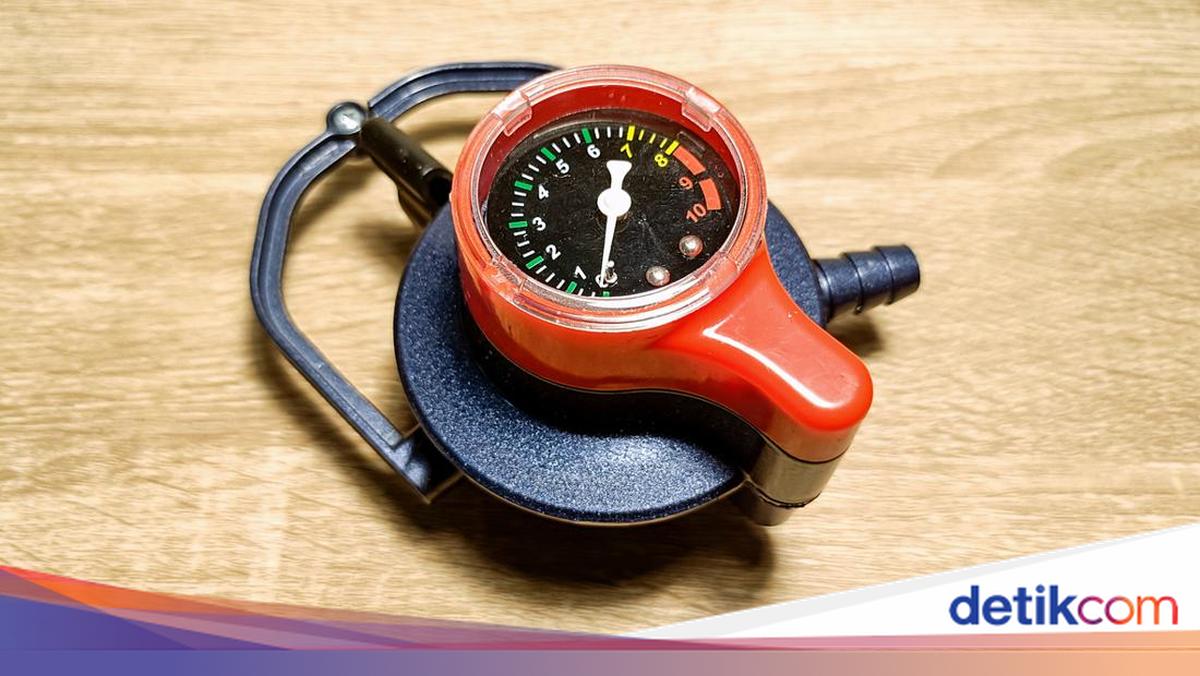
The uncovering of the practice of decanting subsidised 3-kilogram LPG into portable gas canisters by the Criminal Investigation Unit of the Tanjung Priok Port Police has once again exposed an illegal business. Behind the profits reaped by the perpetrators lies a serious threat to public safety.
Portable gas canisters produced through tampering are difficult to distinguish from products circulating in the market. However, the filling process is carried out outside official procedures and without safety standards, making them prone to leakage, fire and even explosion during use.
PT Pertamina Patra Niaga Regional West Java explained on Friday (24/7/2026) that the subsidised 3-kilogram LPG cylinder and the Bright Gas Can are two products with different characteristics. The Bright Gas Can is designed with a gas composition dominated by butane at a lower pressure, whereas the 3-kilogram LPG contains a mixture of propane and butane at a higher pressure.
This difference means the two cannot be interchanged through careless refilling. The cylinders, valves and safety systems of each product have been designed according to the characteristics of the gas they contain.
The practice of transferring the contents of 3-kilogram LPG into portable gas canisters using improvised devices or equipment that does not meet standards carries various risks. One of these is overfilling, a condition where the gas content exceeds the cylinder’s safe capacity. As a result, the pressure inside the cylinder rises and can damage the safety valve.
Other risks also lurk for the subsidised LPG cylinders used as the filling source. The use of regulators or adaptors that do not meet standards can damage the cylinder valve. If such cylinders circulate again, the potential for gas leaks could endanger subsequent users.
According to Pertamina, the LPG filling process may only be carried out at official facilities with calibrated equipment to ensure that the pressure, fill weight and cylinder condition meet safety standards.
The case uncovered by the Tanjung Priok Port Police Criminal Investigation Unit serves as a reminder that tampering is not merely a matter of misuse of subsidised LPG. The circulation of adulterated gas can also place the public at greatest risk when such products are used without any knowledge of the filling process.
Therefore, the public is urged to purchase LPG and portable gas through official distribution channels and not to be tempted by products sold at unreasonable prices. If suspected LPG tampering is found, the public is expected to report it immediately to law enforcement so that the circulation of adulterated gas can be halted before it claims victims.