
Pertamina supports EV ecosystem through Green Energy Stations
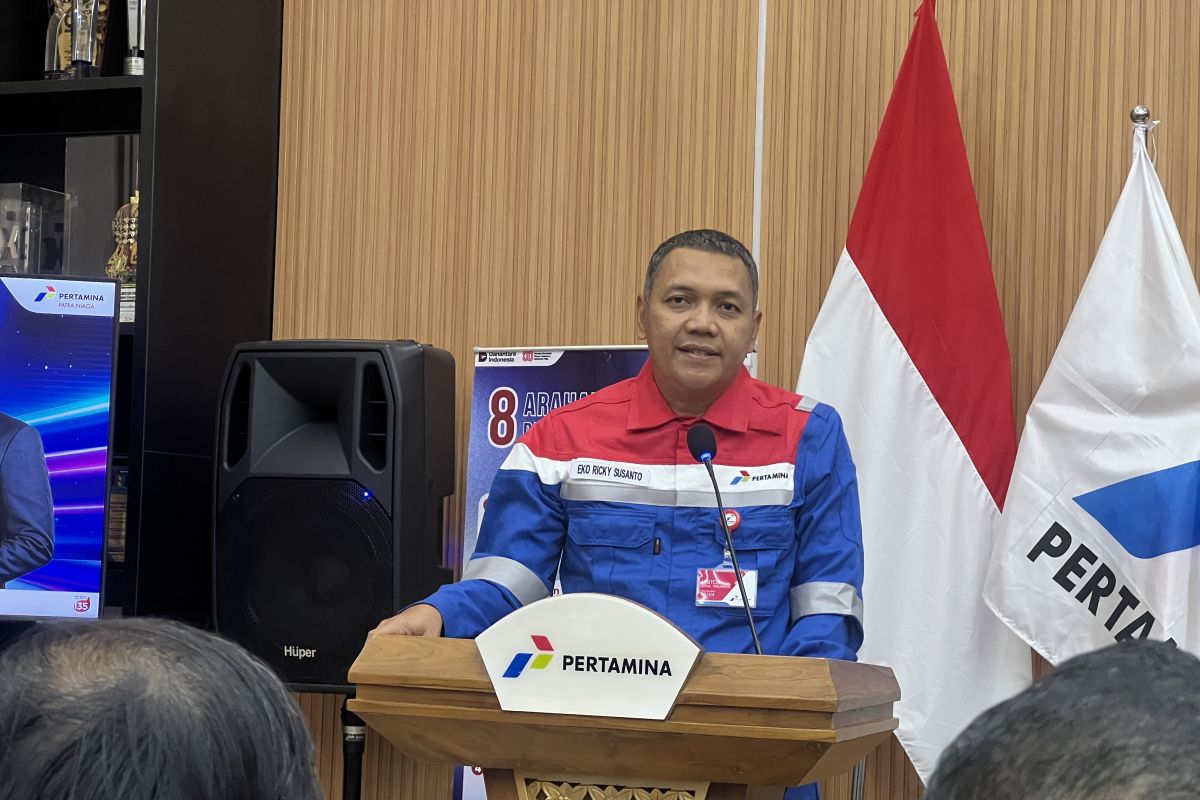
The Director of Retail Marketing at Pertamina Patra Niaga, Eko Ricky Susanto, stated that Pertamina is supporting the electric vehicle (EV) ecosystem through its Green Energy Stations, which provide Public Electric Vehicle Charging Stations (SPKLU).
“They (Green Energy Stations) also feature EV charging facilities, suitable for both four-wheel and two-wheel vehicles. This is one of the ways Pertamina Patra Niaga supports the EV ecosystem. We are preparing for this,” Eko said during a media briefing held in Yogyakarta on Friday.
Eko explained that this step reflects Pertamina’s commitment to its customers’ journeys. He noted that individuals who own electric vehicles often still possess conventional vehicles that rely on fossil fuels.
“Since their journeys frequently take them to petrol stations, we are now developing SPKLU facilities at petrol stations that have sufficient space,” Elar Eko said.
He directed that petrol stations with large areas should develop EV charging facilities, particularly those located in major cities. “Specifically in large cities, this is to make it easier for consumers to access energy, based on both fuel and electric vehicles,” Eko added.
Pertamina has recorded 761 Green Energy Stations to date. Eko further detailed that there are 111 EV charging stations and 107 battery swapping stations for electric motorcycles.
“Currently, there are a total of 761 petrol stations that are based on the green energy station model, equipped with various supporting facilities,” Eko said.
Coordinating Minister for Economic Affairs, Airlangga Hartarto, noted that car sales have risen by 33.3 per cent, with electric vehicles and hybrid cars specifically increasing by over 40 per cent.
According to him, this statement aligns with PLN data, which recorded electricity consumption at Public Electric Vehicle Charging Stations (SPKLU) reaching 62.4 million kilowatt hours (kWh) up to June 2026. This six-month realisation has already surpassed the total SPKLU electricity consumption for the whole of 2025, which was recorded at 48.5 million kWh, representing a 28 per cent growth.
In addition to observing real economic activity within the automotive sector, Airlangga also highlighted that total electricity sales showed an increase of 10.8 per cent.
When examining electricity consumption by consumer type, he stated that household electricity consumption rose by 12.3 per cent, business electricity consumption increased by 10 per cent, and industrial electricity consumption grew by 6.5 per cent.