
Pertamina Subsidiary to Develop Ronggolawe Oil Field, Targeting 5,126 Barrels Per Day
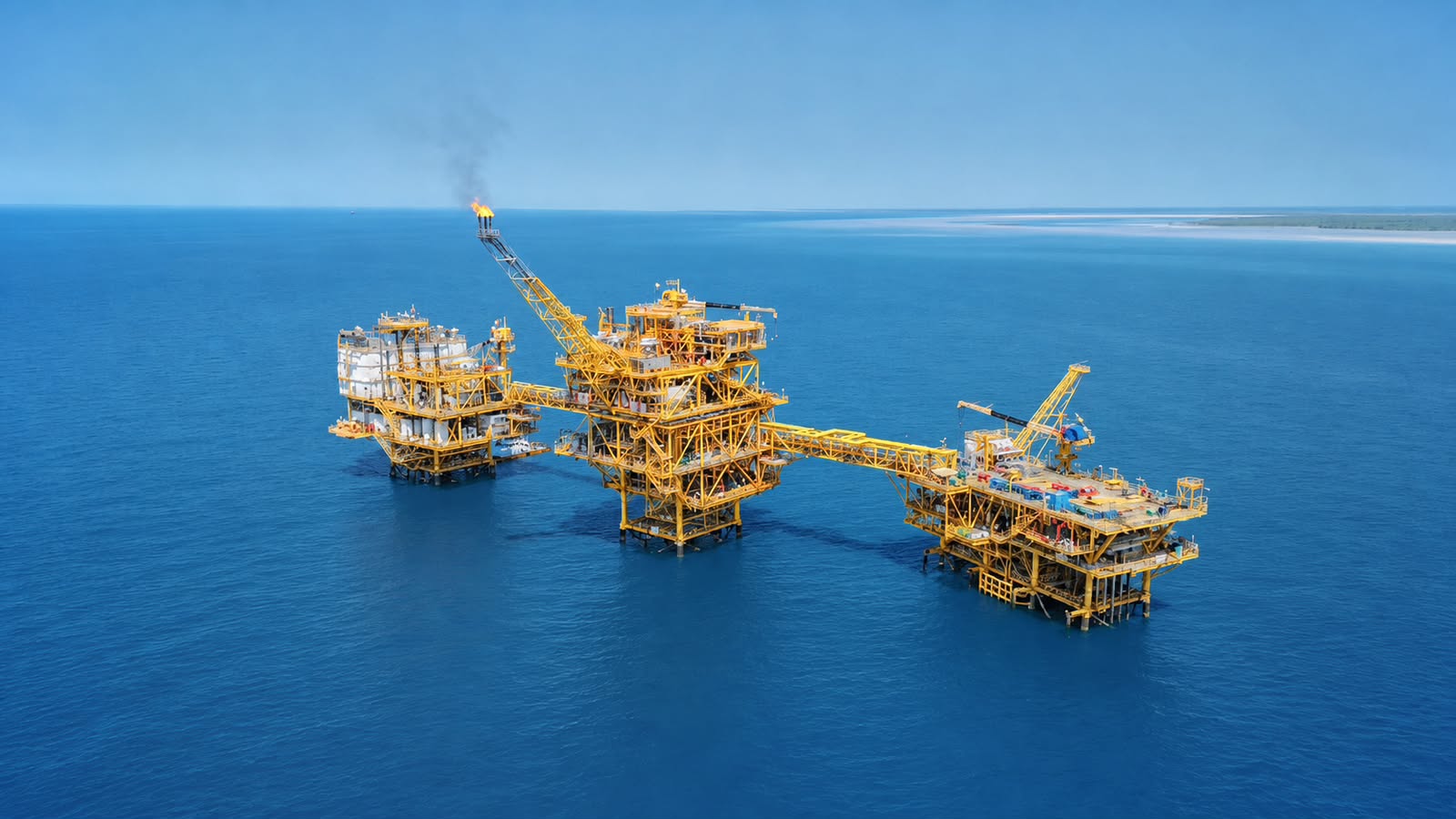
PT Saka Energi Indonesia (SAKA), an upstream oil and gas subsidiary under Pertamina’s Gas Subholding, has officially obtained approval for the Plan of Development (POD) for the Ronggolawe – PHE-7 field within the Pangkah Working Area from SKK Migas.
This national energy frontier development project is targeted to begin commercial oil and gas production (onstream) by the end of 2029.
“The approval of this POD is a significant step in SAKA’s efforts to accelerate the development of oil and gas resources into production that provides added value to the Company,” stated SAKA’s Director of Exploration and Development, Fuji Koesumadewi, in a written statement on Thursday (11/06/2026).
The development of the Ronggolawe field is projected to provide a significant contribution to the energy supply. At its peak production period, the field is expected to pump oil up to 5,126 barrels of oil per day (BOPD).
Cumulatively, the total potential resource reserves in this cluster are estimated to exceed 10 million barrels of oil, which are ready to be optimally exploited until the end of the working area’s cooperation contract.
Prior to this POD approval, SAKA submitted the Exploration Status Determination (PSE) documents for the Ronggolawe field in 2025. This step follows the hydrocarbon discovery in the RGL-1 exploration well in 2012, the accuracy of which was reconfirmed through appraisal testing of the RGL-3 well in 2024.
Based on technical evaluations of the CD Carbonate layer—including Drill Stem Tests and fluid sample analysis—the Ronggalawe structure has proven to have highly prospective reservoir characteristics.
Under the field execution draft approved by SKK Migas, SAKA will drill four new development wells. To reduce investment costs, all wells will be integrated directly with existing production facilities in the Pangkah Working Area using a subsea pipeline network.
“The development of the Ronggolawe – PHE-7 field utilises a unitisation strategy between the Pangkah Working Area and the West Madura Offshore (WMO) Working Area, operated by Pertamina Hulu Energi WMO. This aligns with SAKA’s efforts to optimise production while accelerating the monetisation of exploration findings,” explained Fuji.
The upstream oil and gas industry is considered a primary driver of regional economies, particularly through Revenue Sharing Fund (Dana Bagi Hasil) receipts.
Efforts to strengthen the upstream oil and gas industry supply chain were highlighted during the 2026 Supplier Relationship Management (SRM) Forum. Domestic Component Level (TKDN) policies are intended to serve as a strategic instrument to strengthen national industrial independence, particularly in the upstream sector.
The upstream oil and gas sector remains crucial in supporting Indonesia’s economy and energy security, especially amidst the energy transition phase. Between 2020 and 2025, the total value of upstream oil and gas activity contracts reached over Rp725 trillion, with a TKDN commitment of 59%, or approximately Rp388 trillion.