
Pertamina promotes circular economy through agricultural waste in Tuban
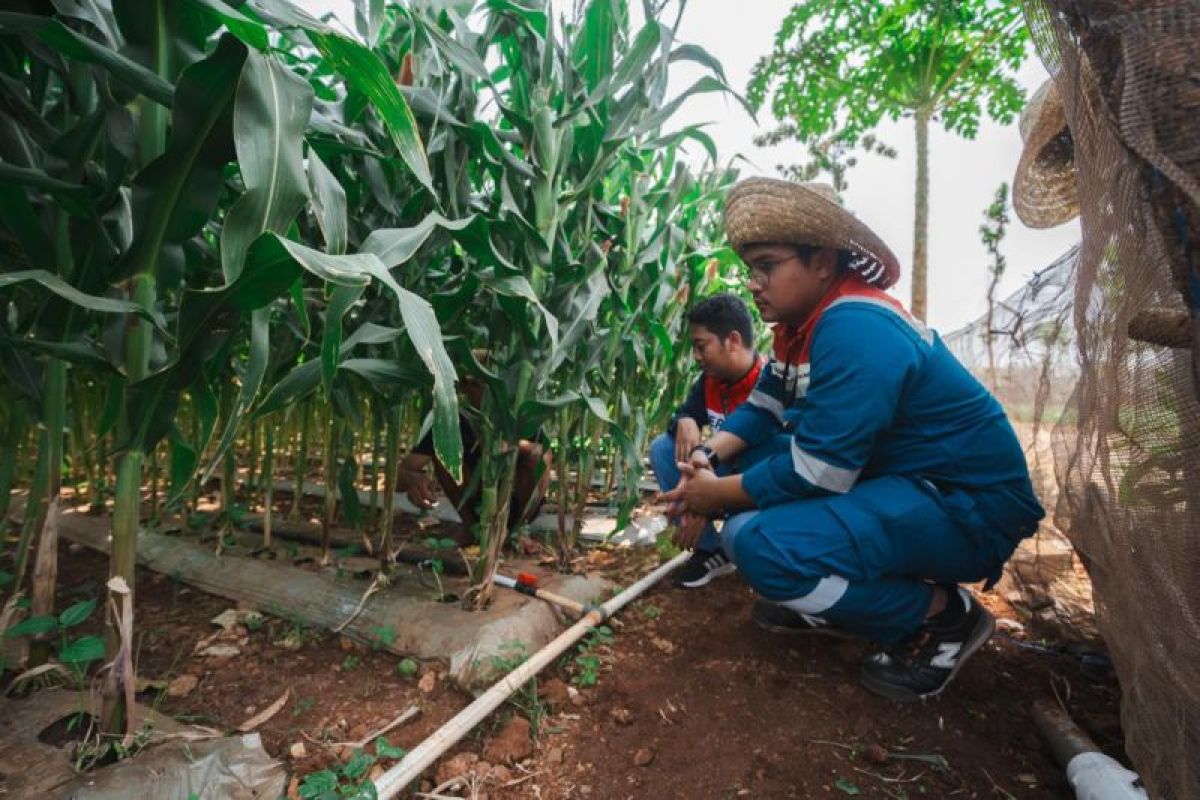
Pertamina Patra Niaga Regional Jatimbalinus is promoting a circular economy in Tuban Regency, East Java, by processing agricultural waste into products with economic value. The initiative generates briquette revenue of Rp720 million a year while also reducing greenhouse-gas emissions.
The effort is being carried out through the Kang Ebit: SIMPEL (Integrated Farming and Waste Management System) social innovation programme in Kapu Village, Merakurak District.
“The programme is part of the company’s commitment to social and environmental responsibility, promoting community self-reliance through innovation based on local potential,” said Ahad Rahedi, Area Manager for Communication, Relations and CSR at Pertamina Patra Niaga Regional Jatimbalinus, in a statement in Surabaya, East Java, on Tuesday.
Kang Ebit: SIMPEL combines efforts to increase agricultural productivity with the conversion of waste into briquettes, liquid smoke for organic pesticides and biochar for organic fertiliser.
Through the programme, Pertamina Patra Niaga has facilitated the use of 205 tonnes of agricultural waste to make useful products. Briquette revenue rose by 114 per cent, from Rp336 million in 2025 to Rp720 million a year in 2026.
The business has also been supported by a solar power plant, which saves up to Rp6.8 million in electricity costs annually and cuts emissions by 5.9 tonnes of carbon dioxide equivalent a year. Waste processing contributes a further reduction of 44.3 tonnes of carbon dioxide equivalent in annual emissions.
“Kang Ebit: SIMPEL promotes community self-reliance through innovation based on local potential, delivering economic benefits while protecting the environment,” Ahad said.
Tuban Fuel Terminal Manager Aan Nurochman said the programme had also brought two previously neglected bore wells back into use through drip irrigation, communal irrigation and fertigation.
As a result, 25 farmers in the Boro Tani Makmur Farmers’ Group, who manage 3.5 hectares of land, have been able to increase harvest frequency from one or two times to three or four times a year, Aan said.
The increase in productivity has raised farmers’ average monthly revenue by 76 per cent, from Rp850,000 to Rp1.5 million, while creating opportunities to use local resources to strengthen the village economy.
“Integrating productive farming with waste processing is expected to improve farmers’ welfare while creating a cleaner environment,” he said.
Anthon Tri Laksono, head of Tuban Regency’s Environment and Transport Office, welcomed the programme, saying it brought together efforts to increase the economic value of waste and reduce the risk of environmental pollution.
Ibnu Fajar, a resident of Kapu Village, said the initiative had helped improve agricultural productivity and turned harvest waste that previously went unused into a source of income.
“Agricultural productivity has increased, while harvest waste that previously went unused now has economic value,” Ibnu said.
Source: jawawa.id (https://jawawa.id/newsitem/pertamina-promotes-circular-economy-through-agricultural-waste-in-tuban-1792489995)
Originally published by Antara (Indonesian) (https://www.antaranews.com/berita/5799161/pertamina-dorong-ekonomi-sirkular-lewat-limbah-pertanian-di-tuban), translated from Indonesian