
Pertamina Patra Niaga Strengthens Energy Distribution Reliability through Fleet Digitalisation
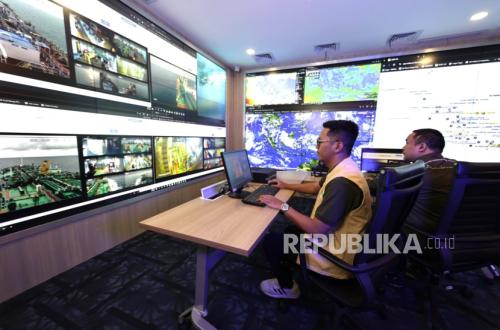
PT Pertamina Patra Niaga (PPN), Pertamina’s Downstream subholding, continues to strengthen the management of national energy distribution through the utilisation of digital technology, particularly via an integrated ship fleet monitoring system.
The management of this system is carried out through the Command Centre at Pertamina’s Head Office, which serves as the hub for daily operational monitoring of both owned and chartered vessels.
From this room, fleet movements are comprehensively monitored, from positions and speeds to progress along each distribution route. Through an integrated data-based system, monitoring is conducted in real-time, providing fuller visibility of fleet movements. This allows the operational team to anticipate potential delays and make quicker and more precise operational adjustments.
Additionally, the monitoring system is equipped with CCTV-based surveillance installed on the ships. CCTV snapshots are sent periodically to land and displayed on the operational dashboard, ensuring continuous monitoring of activities on board. Director of Logistics Fleet at PT Pertamina Patra Niaga, Arif Yunianto, stated that the utilisation of this technology is an important part of maintaining the quality of energy distribution amid operational dynamics.
“With the integrated monitoring system, we have better visibility of fleet movements. This enables us to respond to operational dynamics more quickly and maintain the accuracy of energy distribution across various regions,” said Arif.
Furthermore, the system is equipped with alert and reporting features that allow early detection of various operational conditions, enabling faster and data-based decision-making. Digitalisation also promotes transparency in energy distribution management, including through the monitoring system that can be accessed jointly with chartered ship partners. In addition, the system includes fraud detection features to identify potential operational deviations. The strengthening of this system is supported by the implementation of Enhanced Daily Tanker Position (EDTP) 3.0, which brings improved system stability and more comprehensive operational data integration.
The utilisation of features such as geofencing and geographic data integration, including weather and shipping routes, further supports more accurate operational decision-making. The system is also monitored by the Pertamina Integrated Digital Command Center (PIDCC) or Pertamina Hub, an integrated digital control centre that consolidates various operational data in real-time on a single platform. This integration enables comprehensive fleet monitoring within a centralised ecosystem, supported by visual data from onboard CCTV to enhance operational visibility.
Not only does it ensure smooth distribution, but the system also serves as a proactive step in mitigating potential deviations and operational risks in the field. Arif added that the utilisation of this technology not only focuses on monitoring aspects but also ensures that energy distribution runs sustainably and responsively to needs in various regions.
“In principle, what we monitor is not just fleet movements, but also ensuring that energy continues to be channelled sustainably and reliably for communities across various regions,” Arif concluded.