
Pertamina NRE Presents Sugar Cane-Based Petrol Blend Plan to President Prabowo
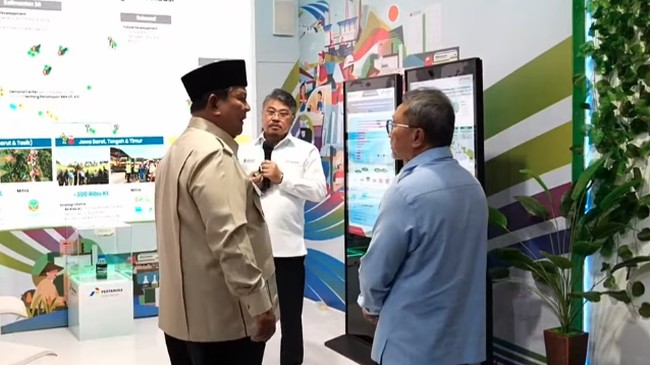
Pertamina NRE has presented its plan to develop bioethanol, a blend of petrol and sugar cane molasses, to President Prabowo Subianto during a simultaneous harvest event in Malang, East Java. The company is targeting the implementation of a 20% bioethanol blend (E20) to strengthen national energy security and reduce dependence on imported fuel oil (BBM). CEO of Pertamina NRE John Anis explained the company’s roadmap and targets for developing bioethanol in Indonesia, noting the country’s previous success with a 50% biodiesel blend (B50) in diesel fuel. ‘We want to contribute to bioenergy. We are grateful for the B50, congratulations, and we share the same ambition and spirit for E20,’ he stated during the presentation. The bioethanol development utilises a by-product of sugar cane, which is processed into E100 before being blended with petrol. Currently, Pertamina has only implemented an E5 policy at 170 outlets in East Java and Jakarta, prompting a need to catch up with nations like India. ‘India has already achieved E20, so we don’t want to be left behind. We are still at E5, at 170 of our outlets in East Java and Jakarta. We have the ambition to blend it like biodiesel with petrol, reaching 20%,’ he explained. The company is preparing a bioethanol plant in Mojokerto, East Java, with a production capacity of 33,000 kilolitres per year. Beyond sugar cane, Pertamina is also developing multi-feedstock technology to produce ethanol from other crops such as sugar palm, cassava, corn, and sorghum, which are widely available across Indonesia. ‘The interesting part is that unlike oil refineries which are located in a few places, this energy can be decentralised everywhere depending on local wisdom. So you can develop local farmers with local potential to become more prosperous,’ John added. The company estimates that reaching the E10 stage would require 2.4 million kilolitres of ethanol, necessitating the construction of 20 to 30 new ethanol plants within two years. John assessed that the programme could redirect foreign exchange currently spent on petrol imports into income for local farmers. ‘Instead of the money going abroad for imports, give it to the farmers,’ he stressed in response to a question from the President about the policy’s impact on reducing imports. He identified two main challenges requiring government support: mandatory regulations and certainty of feedstock supply and pricing.