
Pertamina: National SAF Readiness to Cut Oil Import Dependency
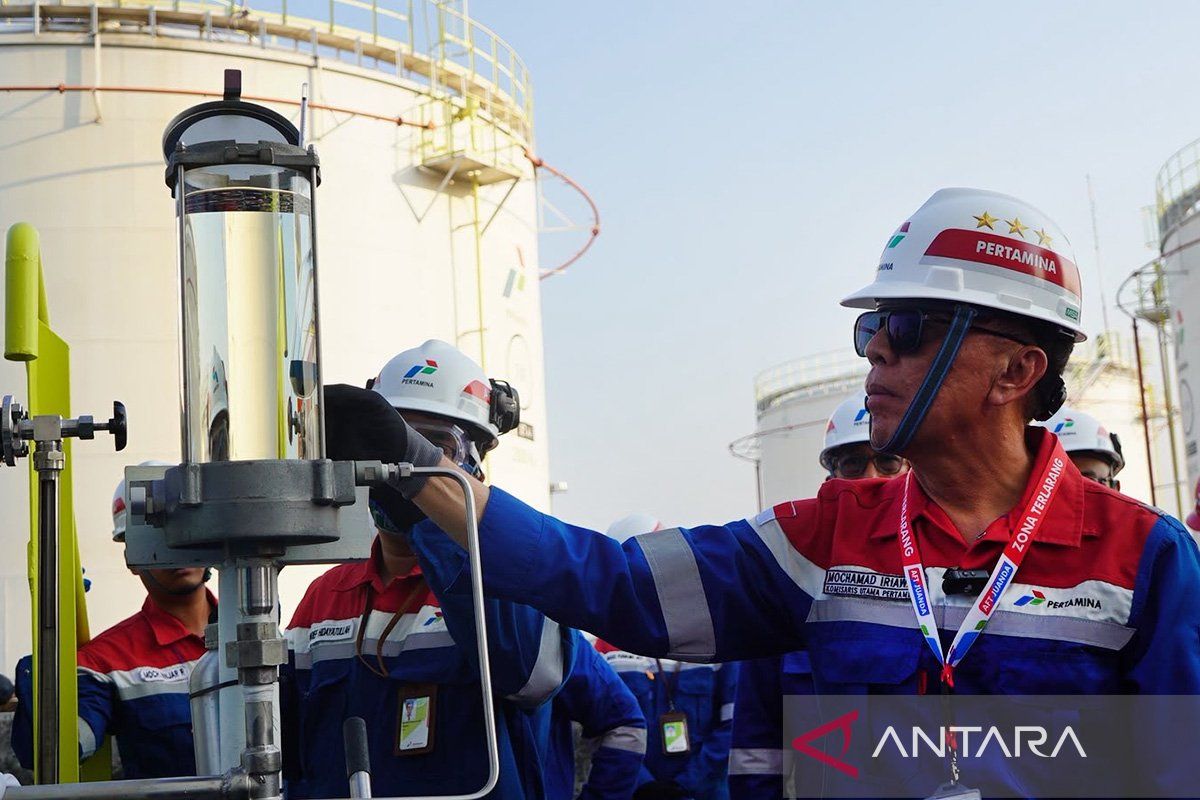
Pertamina’s Chief Commissioner, Mochamad Iriawan, has stated that the readiness of national infrastructure and human resources to welcome the era of Sustainable Aviation Fuel (SAF) is crucial to breaking dependence on global crude oil imports. “The task of maintaining aviation fuel supplies demands zero tolerance for stock shortages and service gaps. This concrete step is expected to prove Pertamina’s leadership in achieving the Net Zero Emission target,” Iriawan said in a statement received in Jakarta on Monday. He also reminded stakeholders of the important role of Pertamina and its strategic partners, including international airports, as showcases for a green energy transition based on domestic potential. According to Iriawan, this aligns with President Prabowo Subianto’s directives on energy self-sufficiency. He conducted a marathon working visit to the East Java, Bali, and Nusa Tenggara regions this week as a follow-up to ensure the reliability of the national energy supply while overseeing the government’s strategic clean energy transition programme. In addition to highlighting the readiness of infrastructure and human resources to welcome the SAF era at the Juanda Aviation Fuel Terminal, Iriawan also visited the Surabaya Integrated Terminal, one of the largest integrated terminals in Indonesia. At this location, he received a report stating that all facilities and infrastructure are fully prepared to supply and distribute 50 percent biodiesel (B50), ahead of a planned inauguration by President Prabowo Subianto in the near future. Iriawan expressed hope that the terminal’s readiness would make it an epicentre for new and renewable energy transformation, from optimising the use of B35 and B40 to the sustainable provision of B50, green gasoline, and green diesel. He also urged management to maximise the reliability of the digitalisation systems that have been built, such as the Pertamina Integrated Command Centre and the Terminal Automation System, to guarantee accountability and minimise potential losses in the distribution process. Given the dynamic geopolitical situation that could disrupt the global oil supply chain, Iriawan stressed that the maintenance of vital assets such as storage tanks, jetties, and pipelines at the Surabaya Integrated Terminal must be ensured to be in prime condition. “Strengthening the operational buffer is considered crucial so that domestic terminals have high resilience against international market volatility,” he said.