
Pertamina ensures fuel quality through refinery 'impurities' management
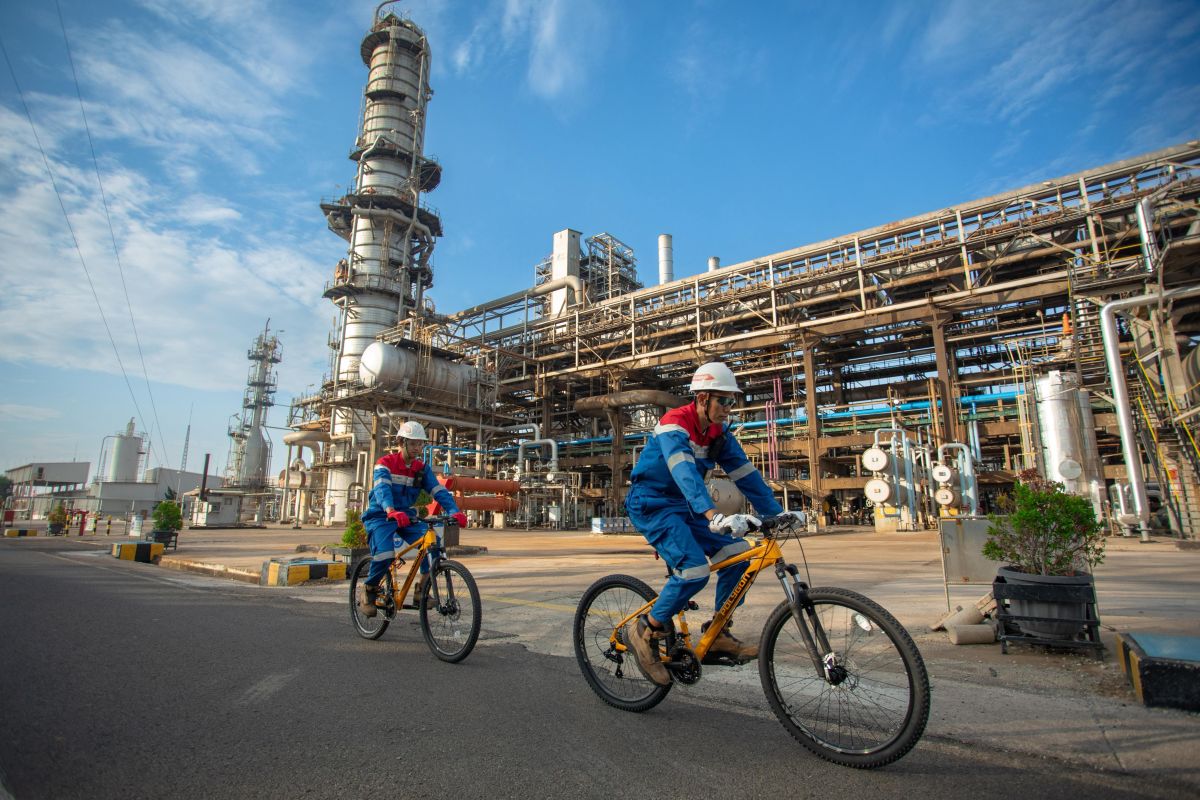
PT Pertamina Patra Niaga has confirmed that the quality of its fuel products is maintained through the optimal and thorough management of impurities in its crude oil refineries. Corporate Secretary Roberth MV Dumatubun stated on Monday in Jakarta that the company is committed to prioritising customer satisfaction by producing high-quality fuels such as petrol, diesel, and avtur. He explained that before being released to the market, Pertamina Patra Niaga tightens the fuel production process, from refinery processing and laboratory testing to final delivery to consumers. Roberth noted that one of the efforts to maintain fuel quality from Pertamina’s refineries is the impurities management process. This process reduces contaminant substances naturally carried in crude oil. Impurities include content such as sulphur, salt, naphthenic acid, nitrogen, and heavy metals like nickel, vanadium, and mercury. The process prevents these substances from contaminating the crude oil and hindering refinery performance, thereby ensuring product quality is maintained. “This is what makes impurities management vital for the operational continuity of the downstream oil and gas industry, and most importantly, to maintain public trust in the quality of fuel products produced by Pertamina Patra Niaga,” he clarified. The first stage involves maintaining refinery operational flexibility through crude oil selection and blending using a Crude Acceptance Matrix and mixing, allowing crude oil with high impurities to be processed safely. The next stage is pre-treatment and chemical treatment to reduce water, salt, sulphur, nitrogen, and metal content, supported by desalter technology, hydrotreating, and the injection of corrosion-protective chemicals. The final stage focuses on asset integrity and reliability to ensure the refinery operates safely and sustainably using anti-corrosion materials, periodic inspections, and routine maintenance. “The result of these three stages is high-quality, environmentally friendly fuel. With impurities management, the refinery is able to produce Euro 4 standard fuels with lower sulphur content, such as Pertamax Turbo, Pertamax Green, and Pertamina Dex,” Roberth explained. The advantages of Euro 4 products include longer-lasting car engines due to minimal corrosion, leading to an extended engine lifespan. Fuel consumption is also more efficient because combustion is more effective. Roberth added that Euro 4 standard fuel is also environmentally friendly. Its lower emissions reduce air pollution, thereby supporting public health. “Impurities management not only maintains the reliability of refineries operating under Pertamina Patra Niaga but also provides consumers with a more comfortable driving experience,” he said. Roberth concluded that this effort also serves as the foundation for the company’s commitment to maintaining a sustainable and high-quality national energy supply.