
Pertamina Ensures Fuel Distribution and Stock Availability at Petrol Stations
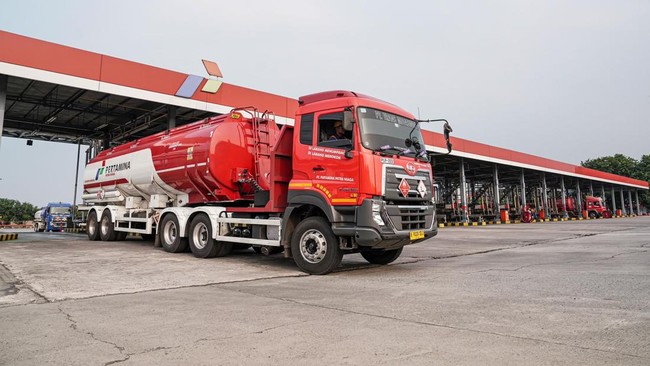
Pertamina Patra Niaga continues to ensure that the energy needs of the public are met by optimising fuel distribution throughout Indonesia. The VP of Corporate Communication at Pertamina Patra Niaga, Kitty Andhora, stated that nationally, the fuel supply conditions at Pertamina Patra Niaga Fuel Terminals are available and sufficient.
“Pertamina Patra Niaga continues to monitor fuel supply and distribution conditions in real-time across all operational areas. Nationally, stocks are available, and we are continuing to optimise distribution so that the needs of the community can be well met,” said Kitty.
Kitty explained that the phenomenon of queues is not caused by limited stocks, as Pertamina Patra Niaga has distributed both gasoline and gasoil products above the average requirement.
Various operational steps are being taken by Pertamina Patra Niaga to anticipate dynamic conditions in regions experiencing increased demand, including:
• Operating Fuel Terminals 24 hours a day in high-demand areas to ensure the processes of receiving, preparing, and distributing fuel continue without interruption.
• Increasing the fleet of fuel tankers (MT) in areas with rising needs to accelerate distribution to petrol stations.
• Adjusting fuel tanker operational patterns so that deliveries are made earlier, ensuring fuel supplies arrive at petrol stations before public activities begin in the morning.
• Managing vehicle entry patterns at petrol stations in coordination with managers and local authorities to maintain smooth access for the public and traffic flow.
• Implementing continuous supply pattern monitoring, including the implementation of Regular, Alternative, and Emergency (RAE) supply patterns, adjusted to the conditions in each region.
In addition to ensuring supply availability, Pertamina Patra Niaga urges the public to use fuel wisely according to their needs and to purchase products according to their intended use. The public is also expected to avoid excessive purchasing (panic buying) as distribution is ongoing.
“We will continue to optimise distribution in all regions, particularly in areas experiencing increased demand. We invite the public to remain calm, purchase fuel according to their needs, and together support targeted fuel distribution so that the energy needs of all citizens can continue to be met,” concluded Kitty.